Individual Equipment

Biscuit Production Equipment

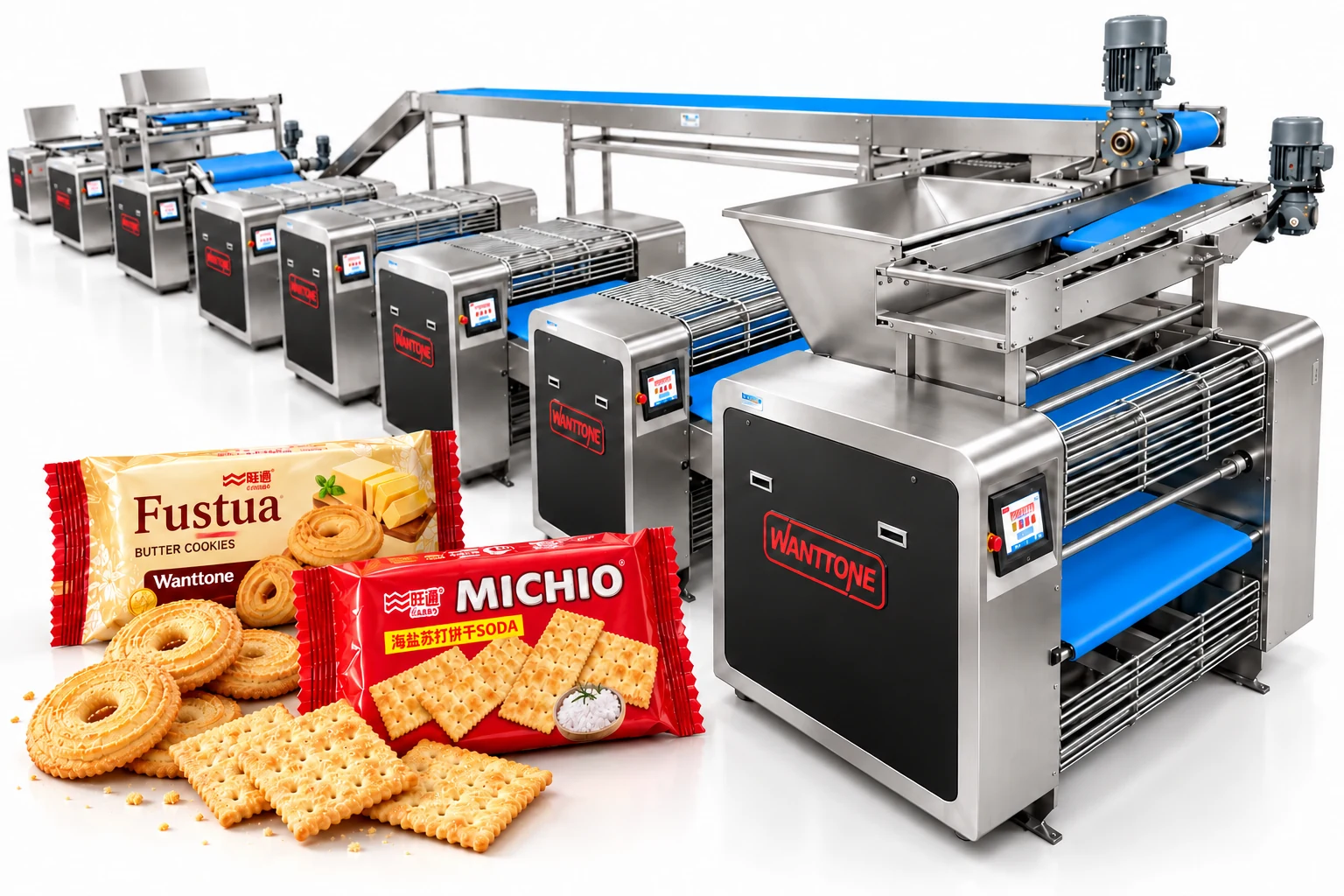
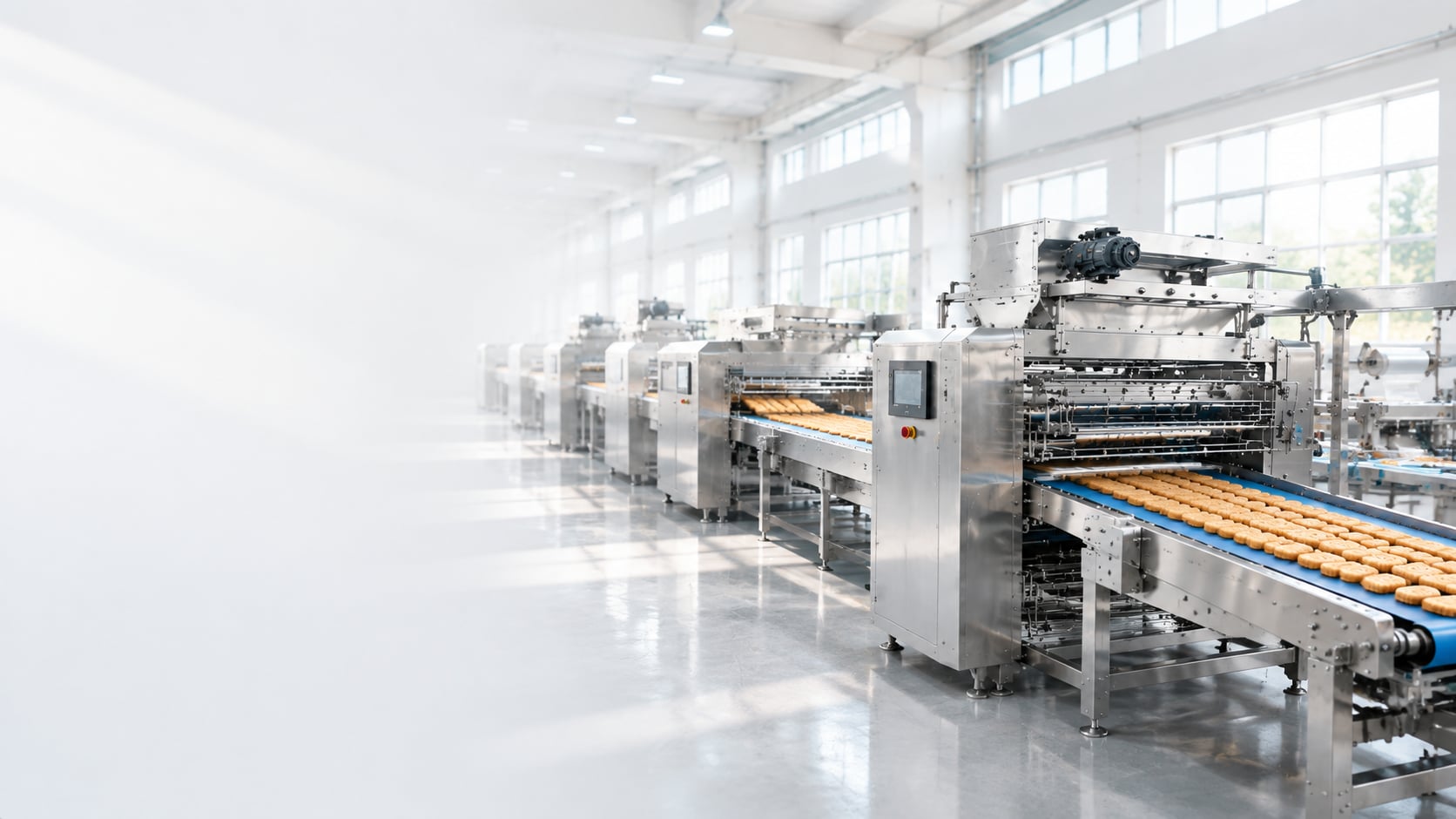
Upgrade one operation or integrate individual machines into a coordinated biscuit production system.

Wanttone biscuit production line with biscuits moving along blue conveyor belts

7 Products

Mixing, Dosing & Feeding Equipment

Explore Category

Consistent dough is the foundation of every great biscuit. Wanttone’s dough mixing and feeding equipment covers the complete front end of your biscuit production line — from automatic flour feeding, weighing and silo dosing, through horizontal and vertical dough mixers and cream aeration machines, to tilting machines and automatic dough feeding systems that deliver portioned dough directly to your forming section.

Reference illustration of Auto Dough Feeding System

Auto Dough Feeding System

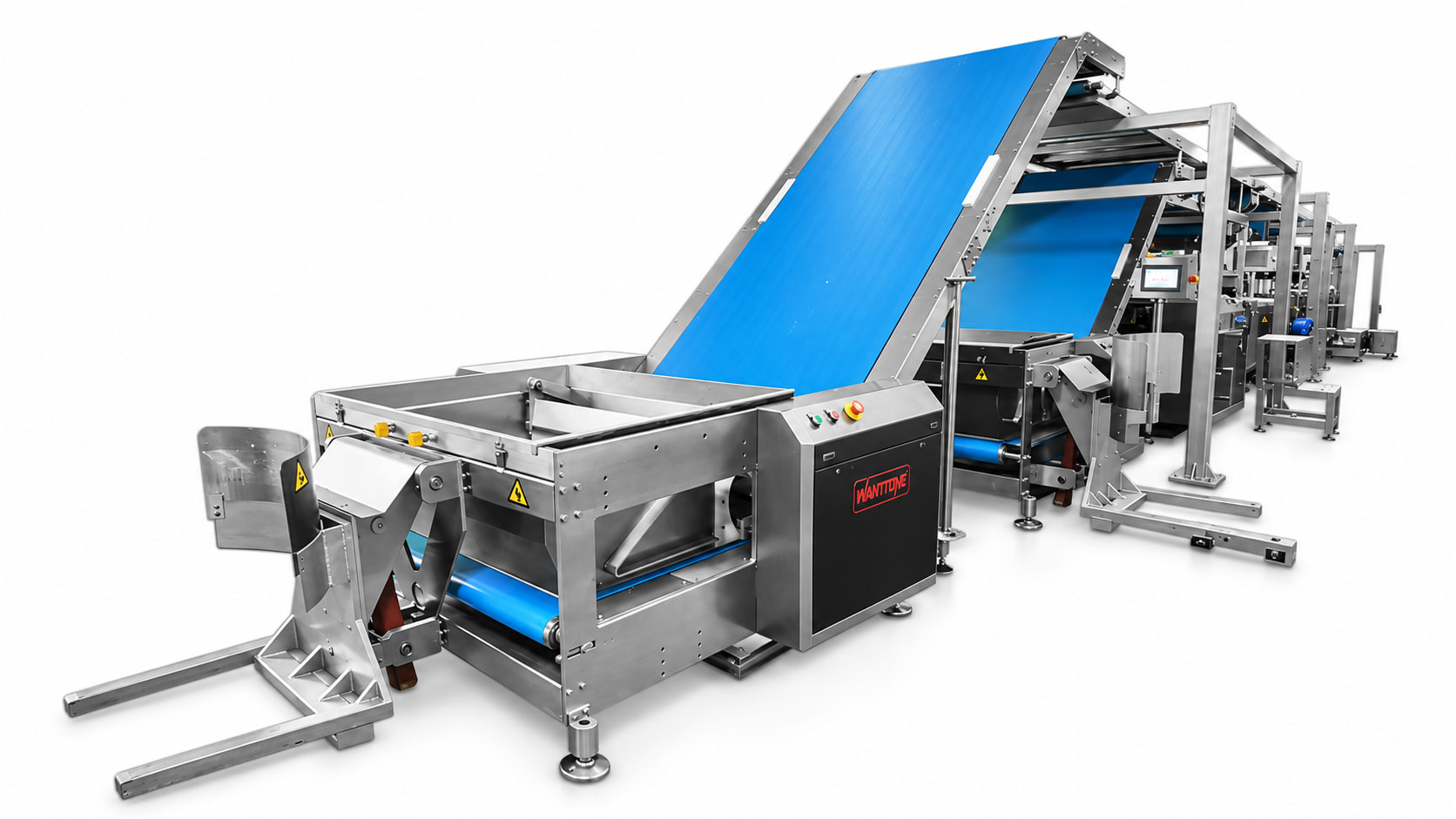
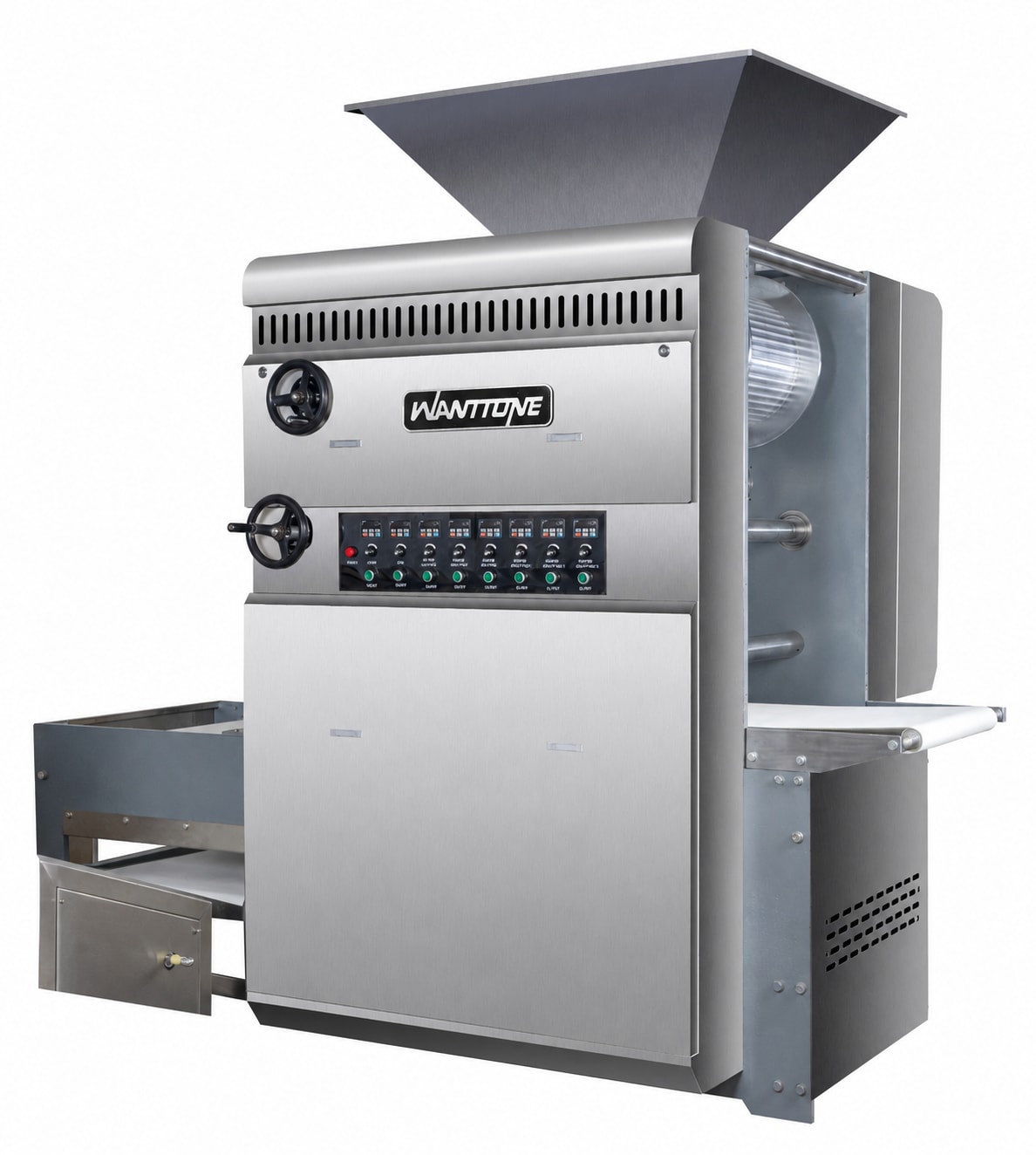
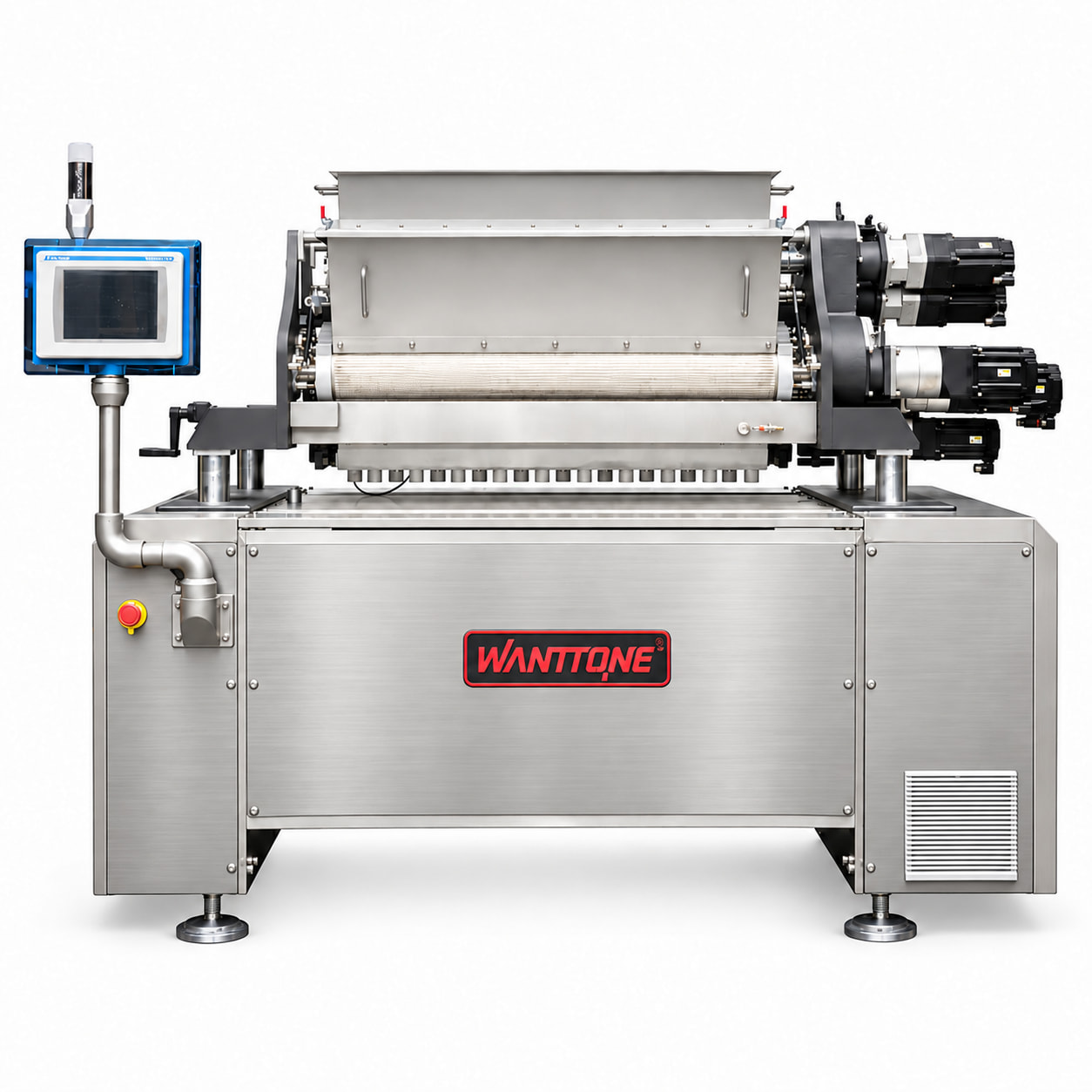
An auto dough feeding system receives bulk dough from the mixer or tilting machine, cuts it into uniform portions and continuously conveys it to the forming equipment — keeping the production line fed without manual intervention. Wanttone’s automatic dough feeding system features a 500 kg stainless steel hopper, powered dough cutting and portioning, and synchronized discharge matched to the speed of your laminator, three-roll sheeter or rotary moulder. Designed for hard biscuit, soft biscuit and cookie dough from 250 kg mixers upward, it stabilizes forming quality, reduces labor and removes the production bottleneck between mixing and shaping.

View Equipment
Reference illustration of Automatic Flour Feeding and Weighing System

Automatic Flour Feeding and Weighing System

An automatic flour feeding and weighing system replaces manual bag tipping with a fully automated raw-material handling chain: dust-free unloading, online sieving, pneumatic conveying and precision weighing, delivering metered flour directly to the dough mixer. Wanttone’s automatic flour feeding and weighing system handles 2,100–3,000 kg/h with a weighing accuracy of ±0.1%, built around high-precision load cells, a 15 kW vacuum fan for negative-pressure conveying and branded PLC electrical architecture. Operators simply unload bagged flour or starch at the feeding station — the system screens, conveys, weighs and delivers the material automatically, transforming working conditions, batching consistency and plant hygiene at the front end of your biscuit line.

View Equipment
Industrial cream mixer and aeration system with a stainless-steel mixing tank

Cream Mixer & Aeration Machine

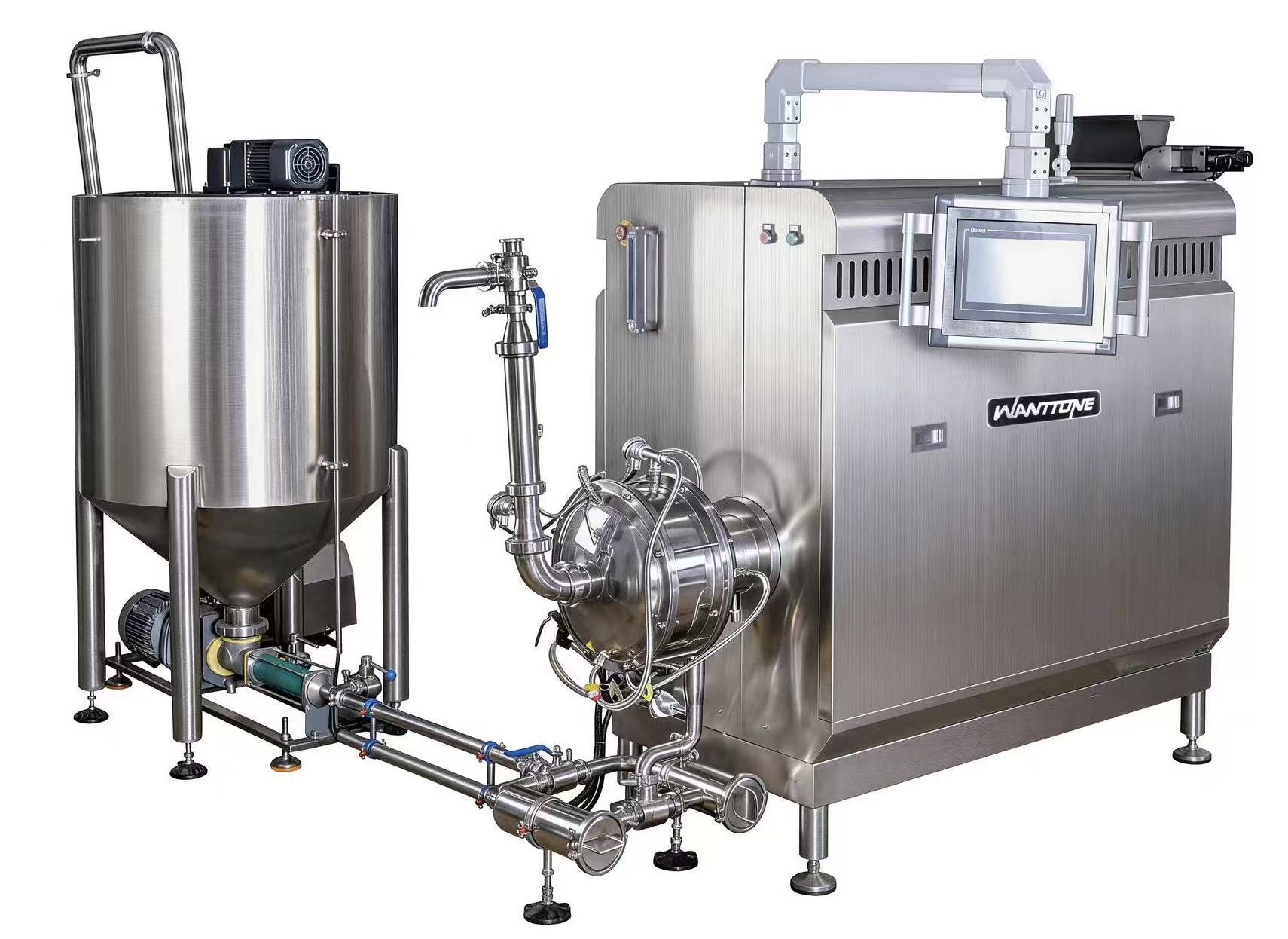
A cream mixer and aeration machine whips cream, fat-based fillings, egg and batter while incorporating controlled amounts of air, producing a light, stable and uniform texture. Wanttone’s cream mixing and aeration equipment is designed for the sandwich biscuit, cookie, layer cake and Swiss roll industries: high-speed planetary whipping with frequency-conversion speed regulation creates fine, consistent aeration, while the all-stainless-steel contact zone and PLC touch-screen control guarantee hygienic, repeatable results batch after batch. With mixing capacities around 200 kg per batch and customizable configurations, it prepares everything from Oreo-type cream filling to aerated cake batter.

View Equipment
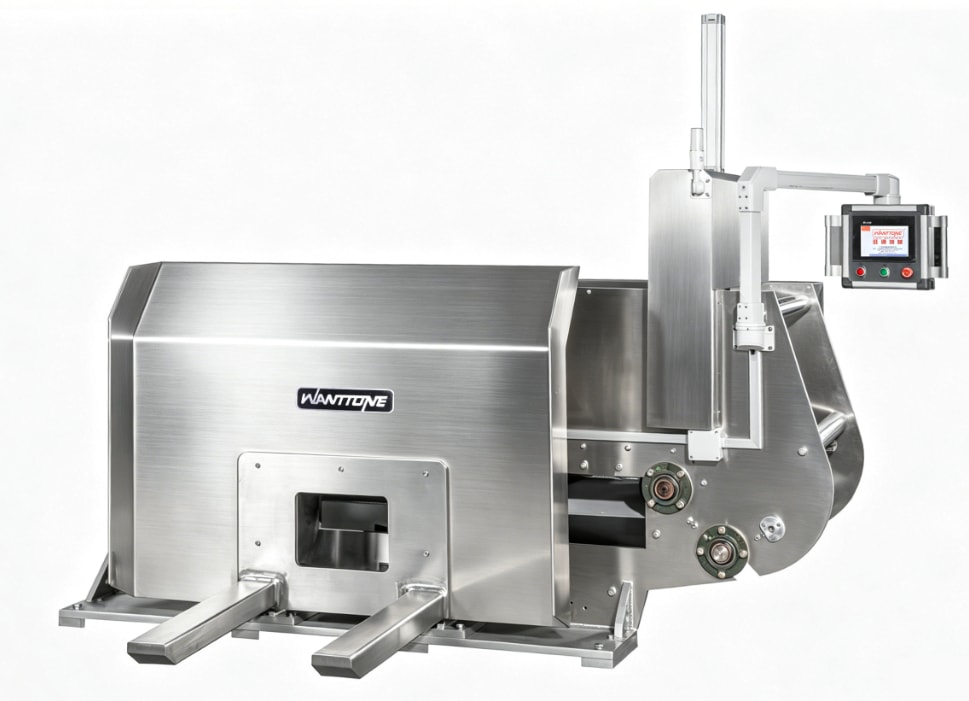
Tilting Machine (Dough Pouring)

Tilting Machine (Dough Pouring)

A dough tilting machine — also called a dough pouring or bowl tipper machine — lifts the mixing bowl from the dough mixer and pours the finished dough into the hopper of the downstream dough feeding system. Wanttone’s industrial tilting machine handles up to 1,000 kg of dough per cycle with powered tipping to an angle of 120° or more, complete with a mechanical locking device for operator safety. It is the essential link between mixing and forming in soda cracker, hard biscuit and soft biscuit production lines, replacing manual dough handling with fast, hygienic, one-person operation.

View Equipment
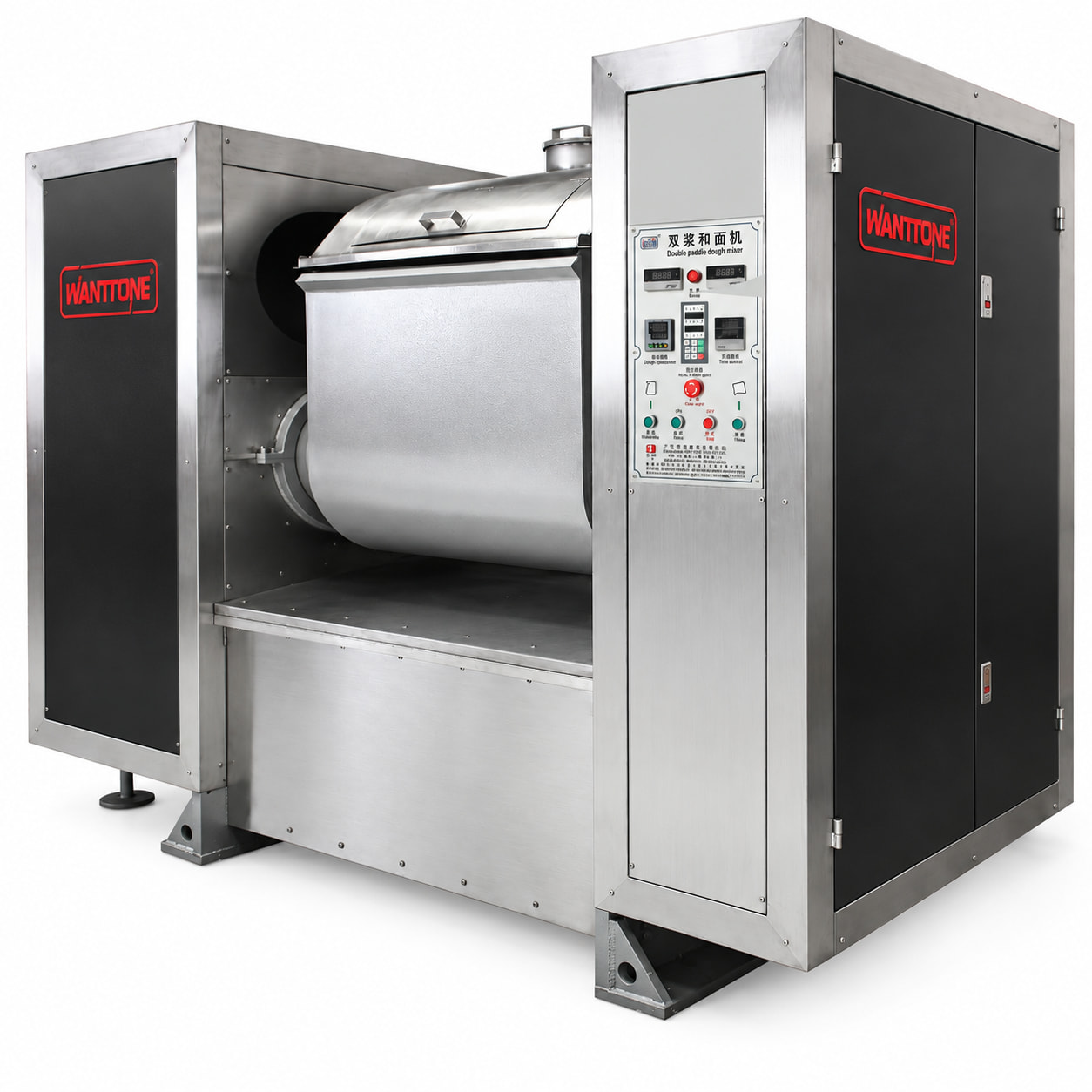
Reference illustration of Horizontal Dough Mixer

Horizontal Dough Mixer

A horizontal dough mixer is the first and most critical machine in a biscuit production line, blending flour, sugar, oil, water and additives into a uniform, well-developed dough. Wanttone’s industrial horizontal dough mixer kneads, rolls and folds the dough so that its surface becomes smooth with excellent elasticity, toughness and extensibility — the exact dough condition required for downstream sheeting, laminating and rotary moulding. With batch capacities from 75 kg to 1,000 kg, a fully welded 304 stainless steel U-shaped barrel and dual-speed frequency control, it handles both hard biscuit dough and soft, high-fat biscuit dough with equal reliability.

View Equipment
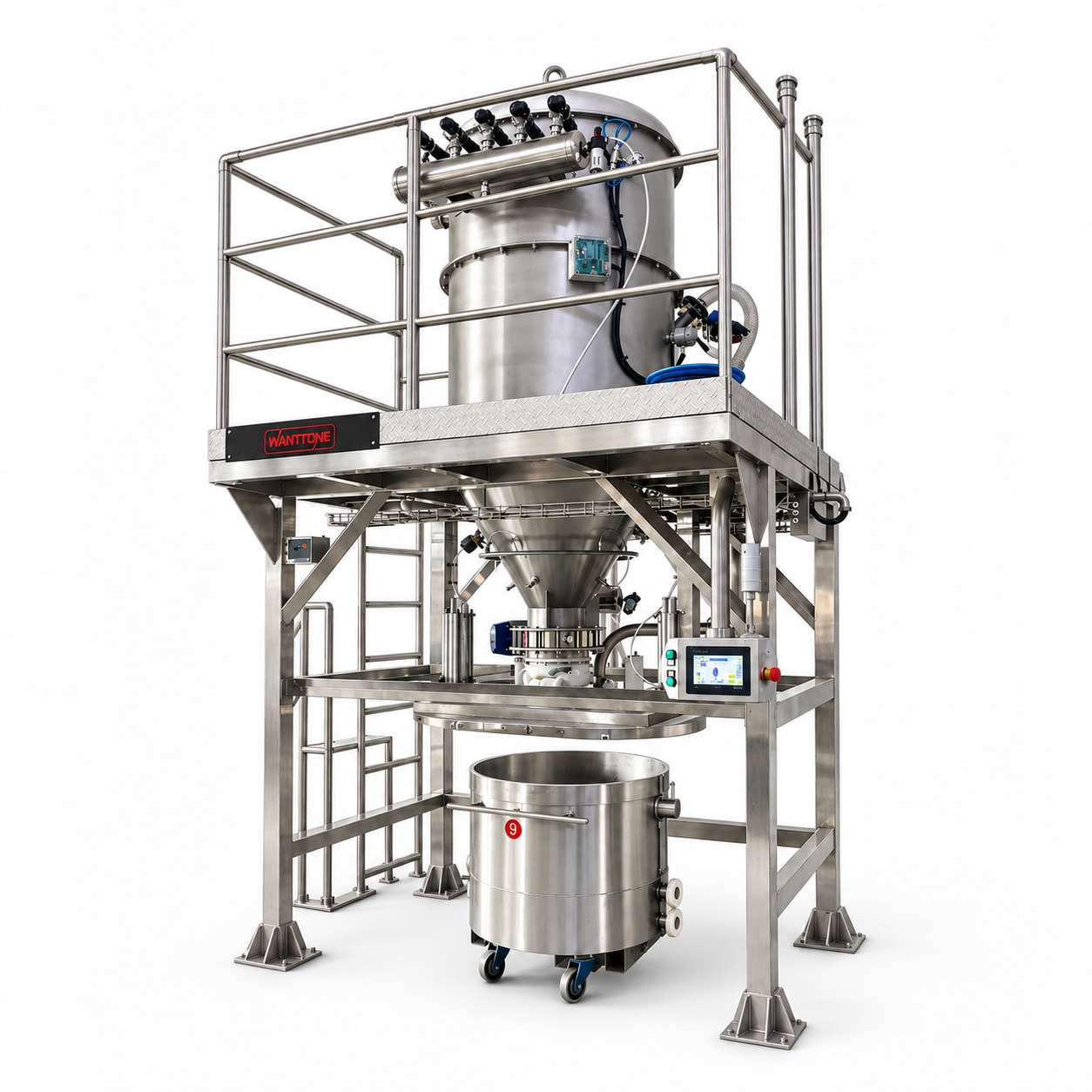
Reference illustration of Silo Dosing System

Silo Dosing System

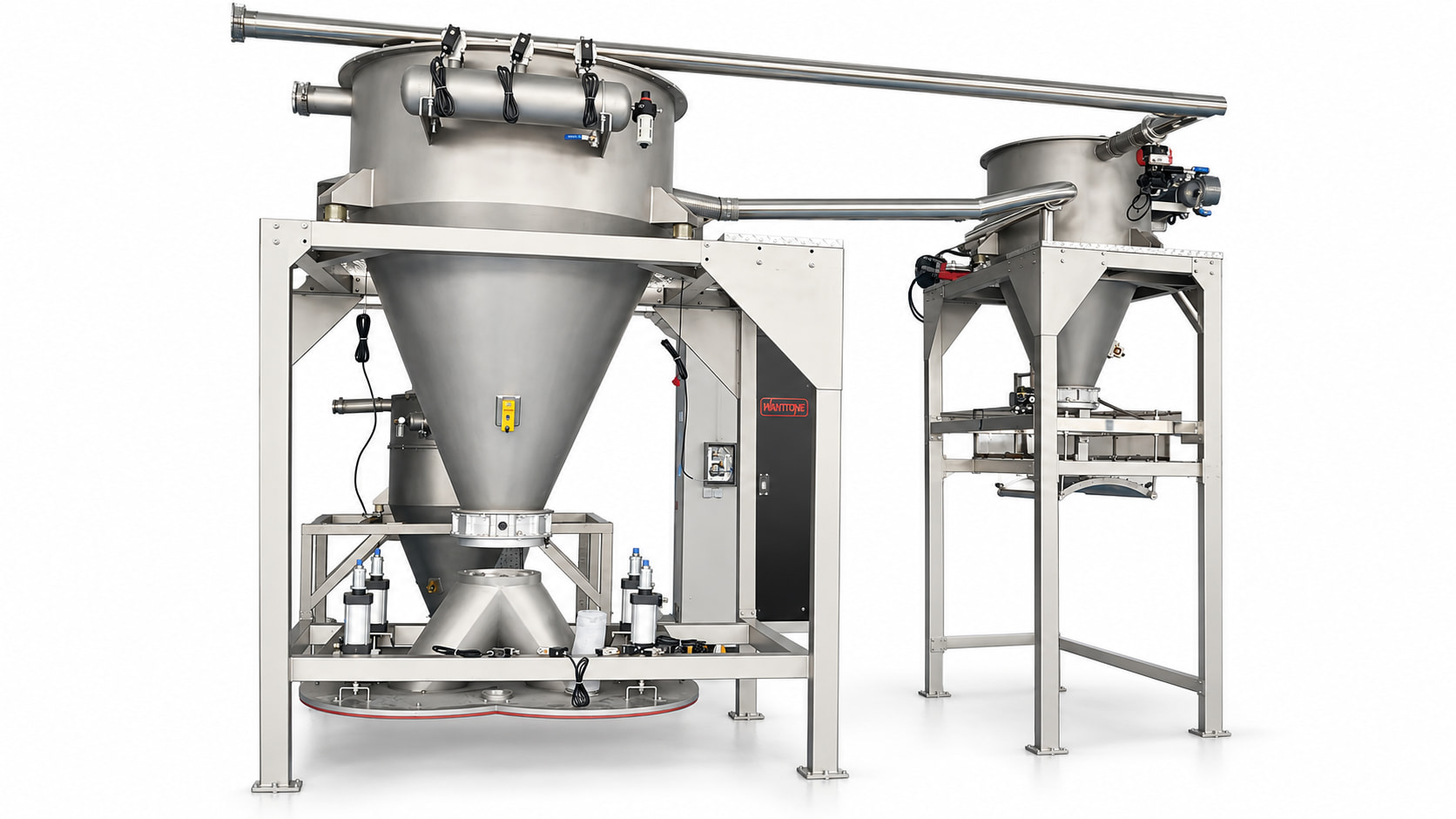
A silo dosing system automates the storage and batching of bulk powdered raw materials, replacing bag handling with an integrated chain: silo storage, automatic feeding, pneumatic conveying, precision metering and dosing, and intelligent control. Wanttone’s silo dosing system stores flour, sugar powder, starch and other powders in silos from 1 to 100 tons per unit, then conveys and doses them automatically to your dough mixers according to recipe. By removing manual weighing and bag tipping, the system fully automates measurement and batching — dramatically improving the working environment, dosing consistency and production capacity of biscuit, cookie, cake and bread production lines.

View Equipment
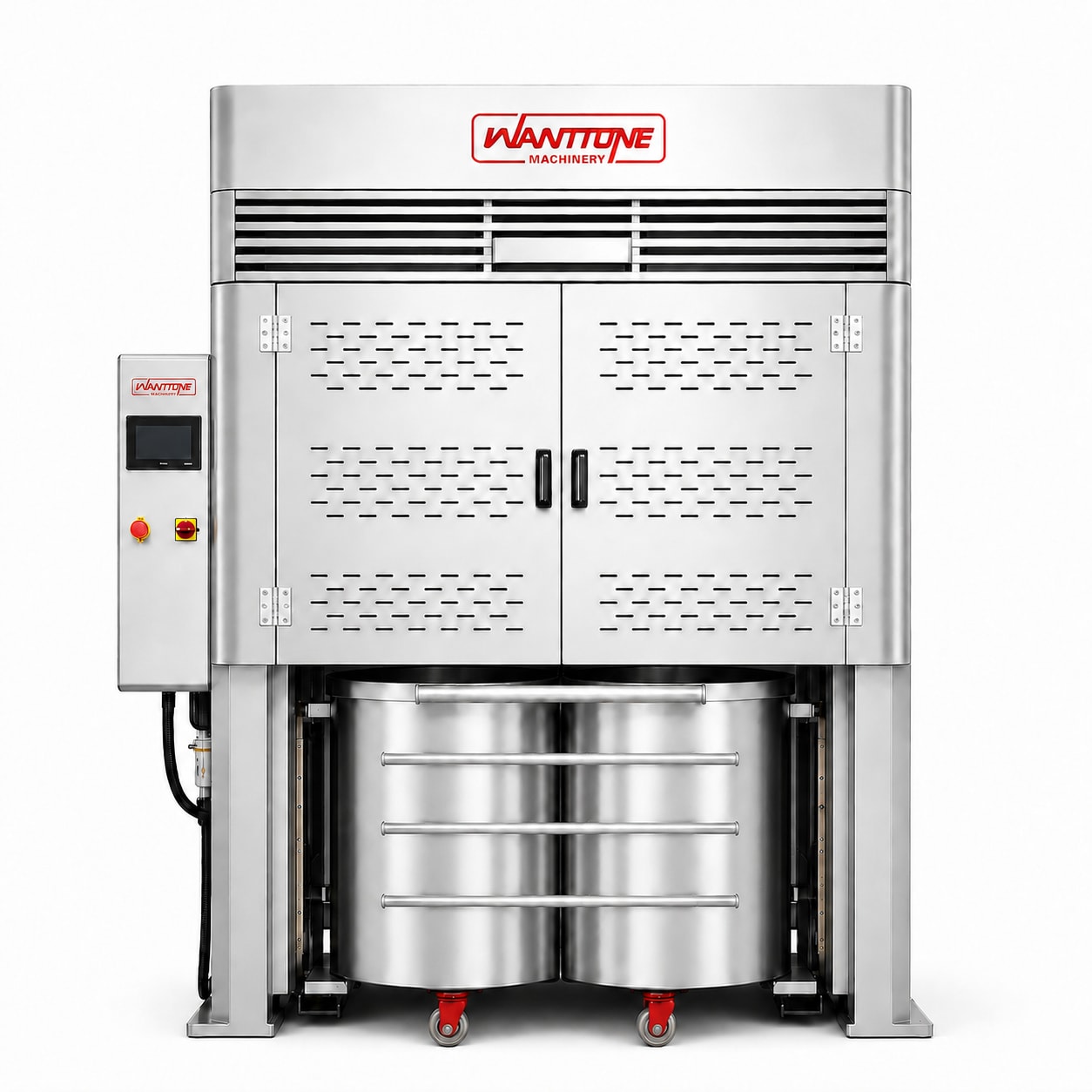
Vertical Dough Mixer

Vertical Dough Mixer

A vertical dough mixer uses vertically rotating paddles working inside a movable mixing bowl to knead dough quickly and uniformly. Wanttone’s industrial vertical dough mixer combines double mixing paddles with dual-motor planetary drive, delivering stronger power, faster kneading and better dough consistency than single-paddle designs. With batch capacities from 150 kg to 500 kg, a detachable bowl on wheels for easy dough transfer, and intelligent PLC touch-screen control, it is the ideal dough mixer for high-fat cookie dough, crisp biscuit dough, fermented biscuit and soda cracker production.

View Equipment

7 Products

Dough Sheeting & Forming Equipment

Explore Category

Dough forming is where recipe becomes product. Wanttone’s dough forming equipment covers every stage between mixing and baking: three-roll dough sheeters for primary sheeting, gauge rolls for precision thickness control, reciprocating laminators for flaky cracker structures, rotary cutters and rotary moulders for hard and soft biscuit forming, dough scrap recycling systems that return trimmings to the line, and custom biscuit forming molds in plastic and copper.

Reference illustration of Biscuit Forming Molds (Plastic & Copper)

Biscuit Forming Molds (Plastic & Copper)

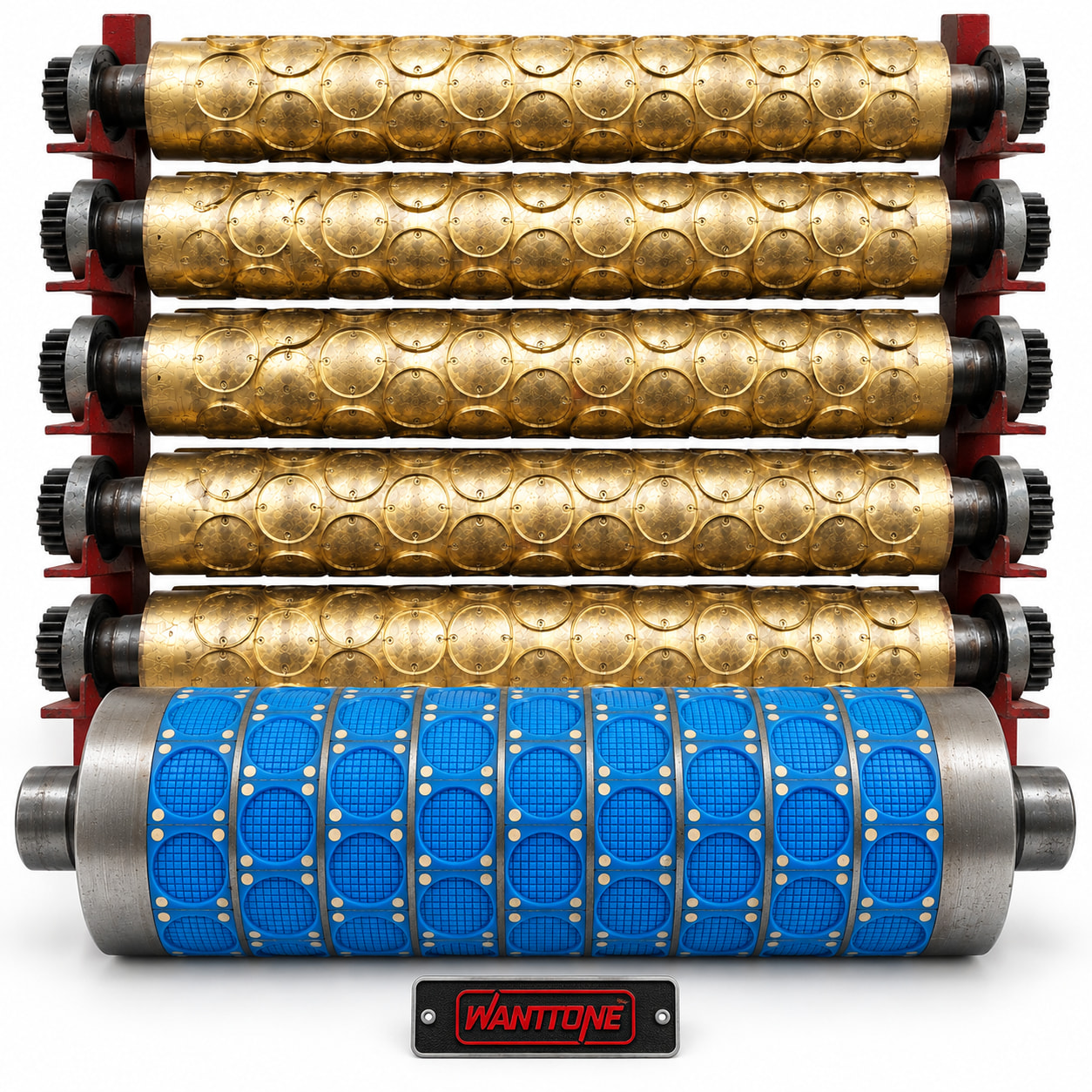
Wanttone supplies custom biscuit forming molds in two proven materials — food-grade plastic and copper — for rotary cutters and rotary moulders across all biscuit types. Plastic molds are lightweight, economical, and ideal for lines with frequent product changeovers; copper molds deliver superior forming precision, uniform biscuit edges, and long service life in high-volume continuous production. Simply provide your shape design, dimensions, material preference, and production requirements, and our team engineers the mold to your machine and dough. Because Wanttone operates its own biscuit factory, every mold design is validated under real forming conditions before it reaches your line.

View Equipment
Reference illustration of Dough Scrap Recycling System

Dough Scrap Recycling System

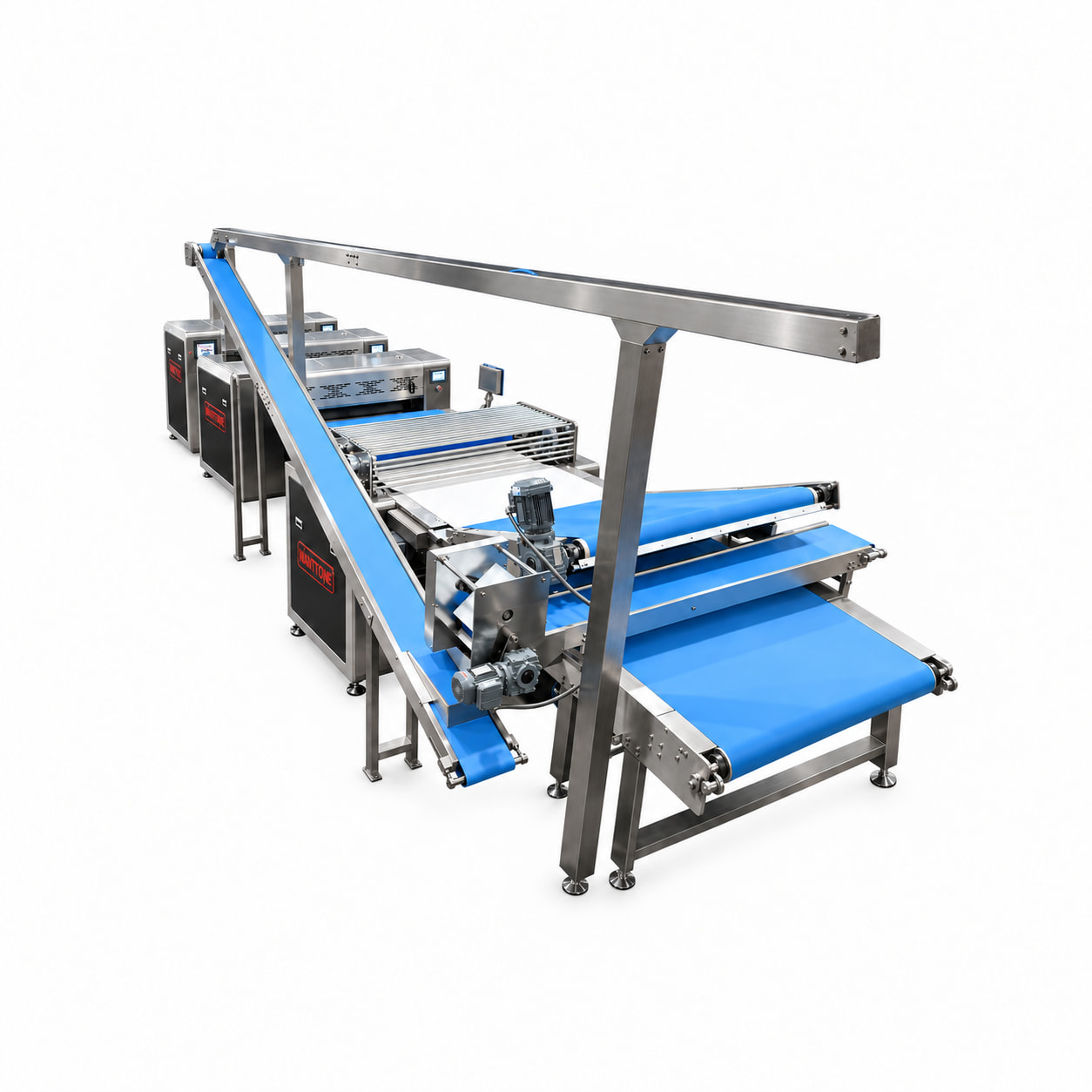
The Wanttone dough scrap recycling system captures the trim web left after rotary cutting on hard biscuit and cracker lines and returns it continuously to the dough sheeter for reprocessing — turning what would be waste into a steady stream of reusable material. Combining a separator that lifts the scrap web from the cut pieces with a synchronized return conveyor, the system keeps scrap dough fresh, uncontaminated, and correctly proportioned in the new sheet. The same platform can also serve as an automatic dough feeding route for soft biscuit lines, making it a flexible, waste-cutting asset for any forming section.

View Equipment
Reference illustration of Gauge Roll

Gauge Roll

The Wanttone gauge roll (gauge roller / two-roll sheeter) performs the semi-pressing and final precision pressing of dough sheets on hard biscuit and soda cracker production lines. Working in two- or three-stage cascades after the three-roll sheeter and laminator, each gauge roll reduces the dough sheet by a controlled ratio until it reaches the exact forming thickness — typically below 1 mm for crackers. Displacement-sensor gap detection with an accurate digital display, touch-screen speed and thickness control, and independent roller drives give operators repeatable, recipe-based thickness management that directly determines biscuit weight, texture, and baking behavior.

View Equipment
Reciprocating Laminator

Reciprocating Laminator

The Wanttone reciprocating laminator is the key machine for producing soda crackers and other laminated biscuits with a flaky, layered texture. Its reciprocating carriage travels back and forth across the receiving conveyor, folding the continuous dough sheet into a precise multi-layer stack, while an integrated flour sprayer dusts each layer to keep them distinct through gauging and baking. The result is clear stratification, a crisp bite, and the characteristic flaky appearance of premium soda crackers. Electric dough-thickness adjustment and synchronized carriage speed give production managers full control over layer count and final product structure.

View Equipment
Reference illustration of Rotary Cutter

Rotary Cutter

The Wanttone rotary cutter is the forming machine for hard biscuits and soda crackers, cutting the gauged dough sheet into individual biscuit shapes at full line speed. A hard-chrome-plated cutting roller — engraved with your custom biscuit design, dockering holes, and brand logo — works against a rubber pressure roller to produce clean-cut, precisely registered pieces, while the surrounding dough web is lifted away for scrap recycling. Mould pressure is detected by a displacement sensor with a digital display, and synchronization between cutting roller and conveyor is electrically adjusted, delivering sharp edges, uniform weight, and consistent shape across millions of cycles.

View Equipment
Reference illustration of Rotary Moulder

Rotary Moulder

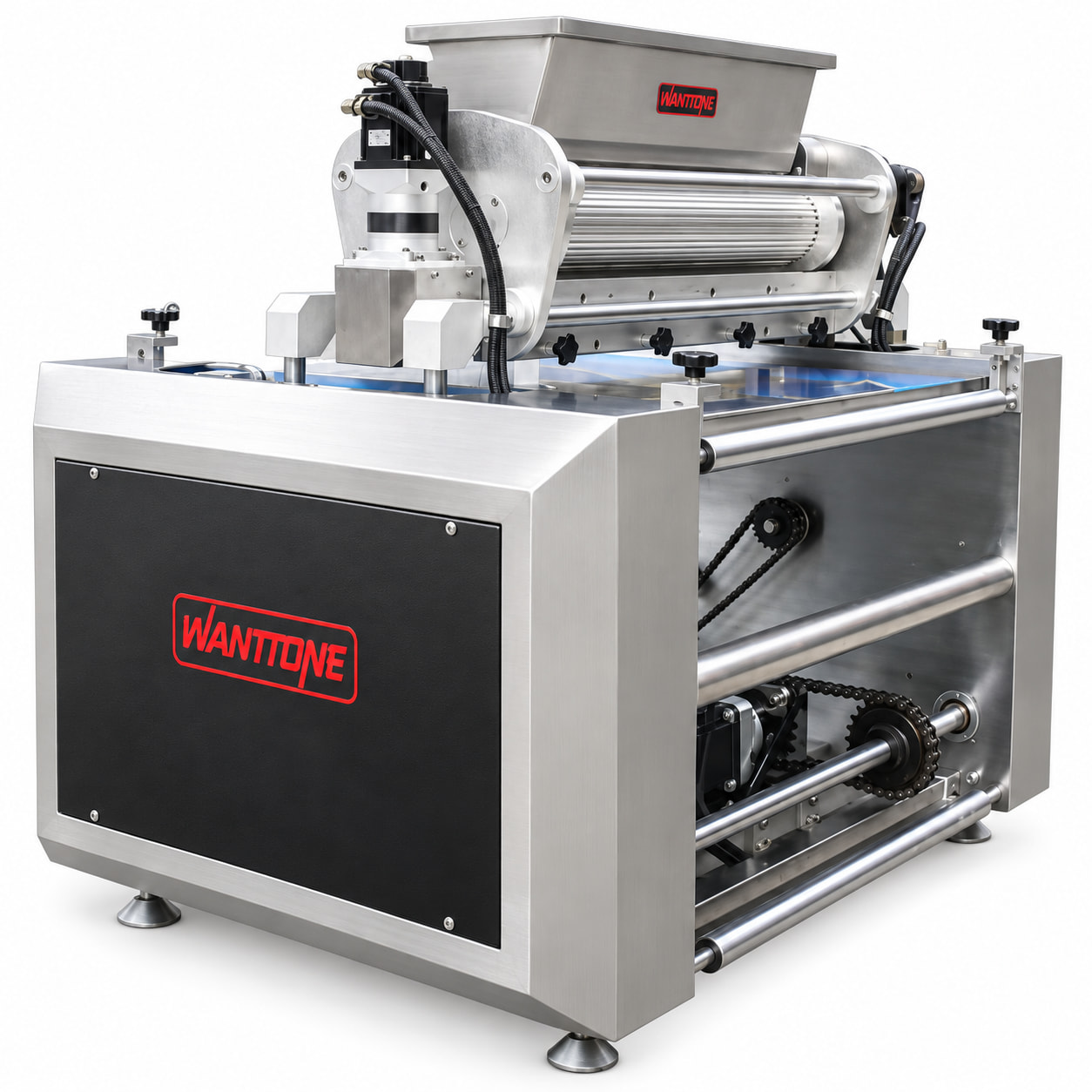
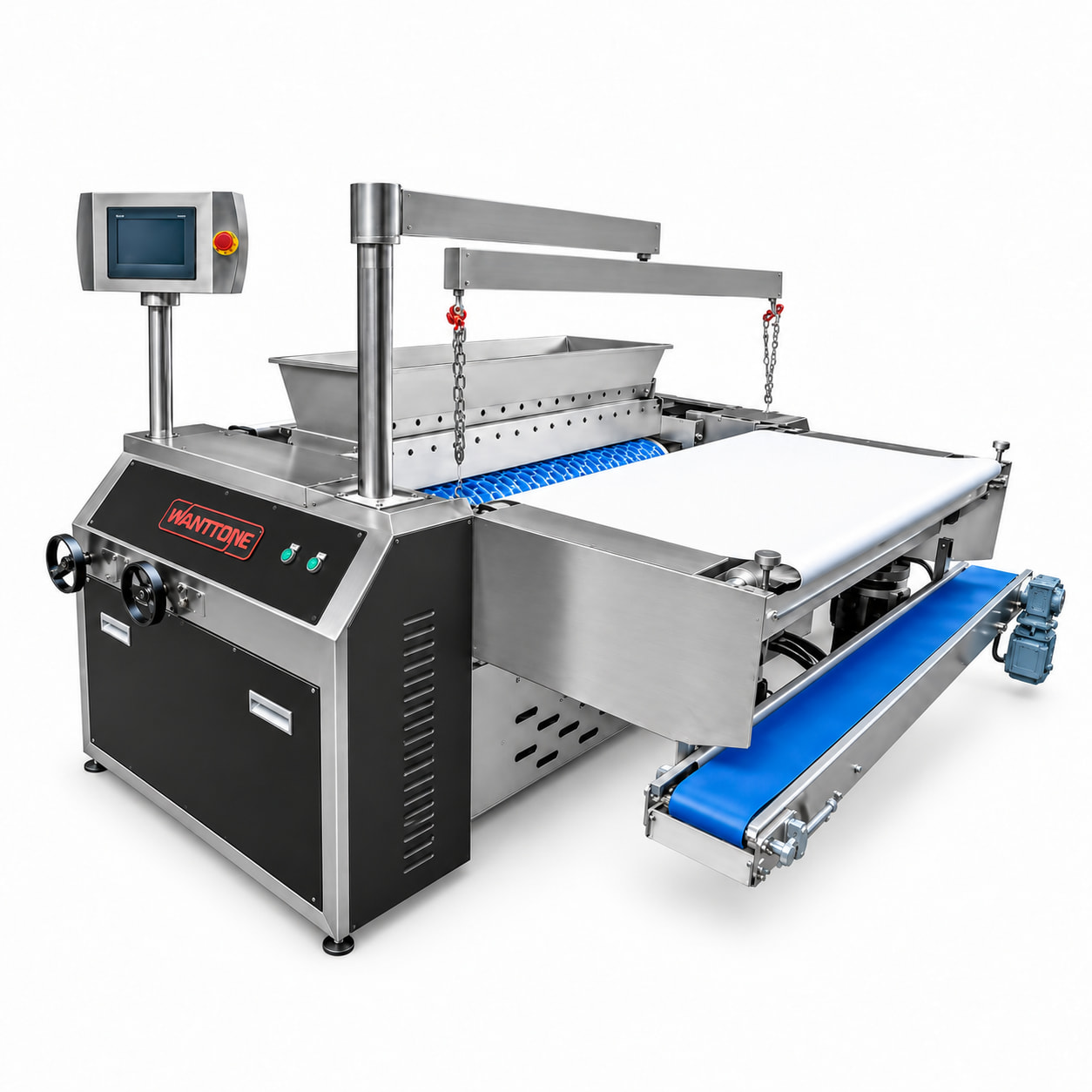
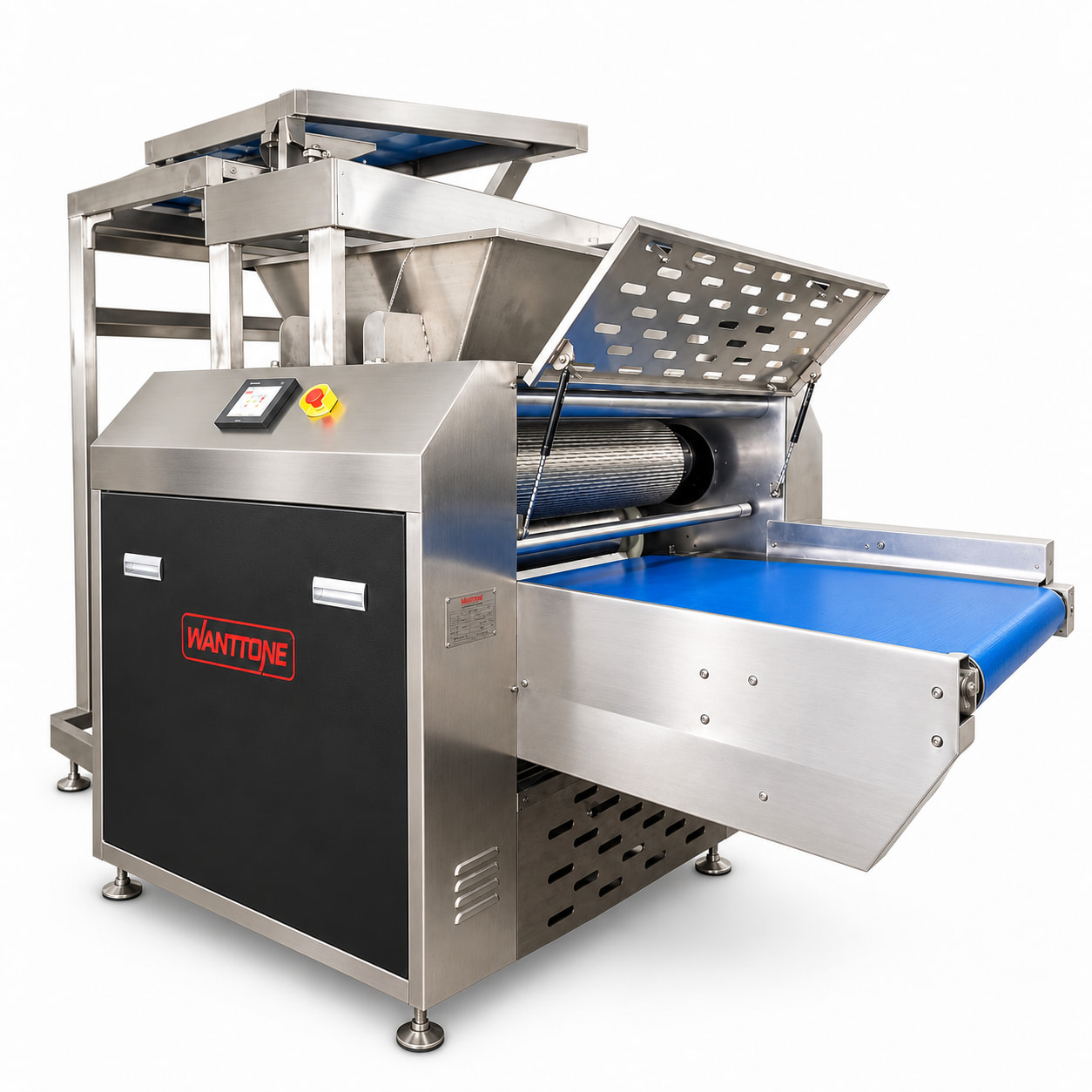
The Wanttone rotary moulder is the forming station for soft biscuits — high-fat, short doughs that cannot be sheeted and cut. Dough is pressed from the hopper into engraved cavities on the moulding roller, taking on the biscuit’s final shape, surface pattern, and even company logo, then released cleanly onto the conveyor belt toward the oven. Because each cavity meters an exact dough volume, the rotary moulder delivers outstanding piece-weight consistency and appearance at high output, with virtually zero scrap. It is the standard forming solution for soft biscuits, shortbread, and pet biscuits in capacities from compact lines to full industrial plants.

View Equipment
Reference illustration of Three-Roll Dough Sheeter

Three-Roll Dough Sheeter

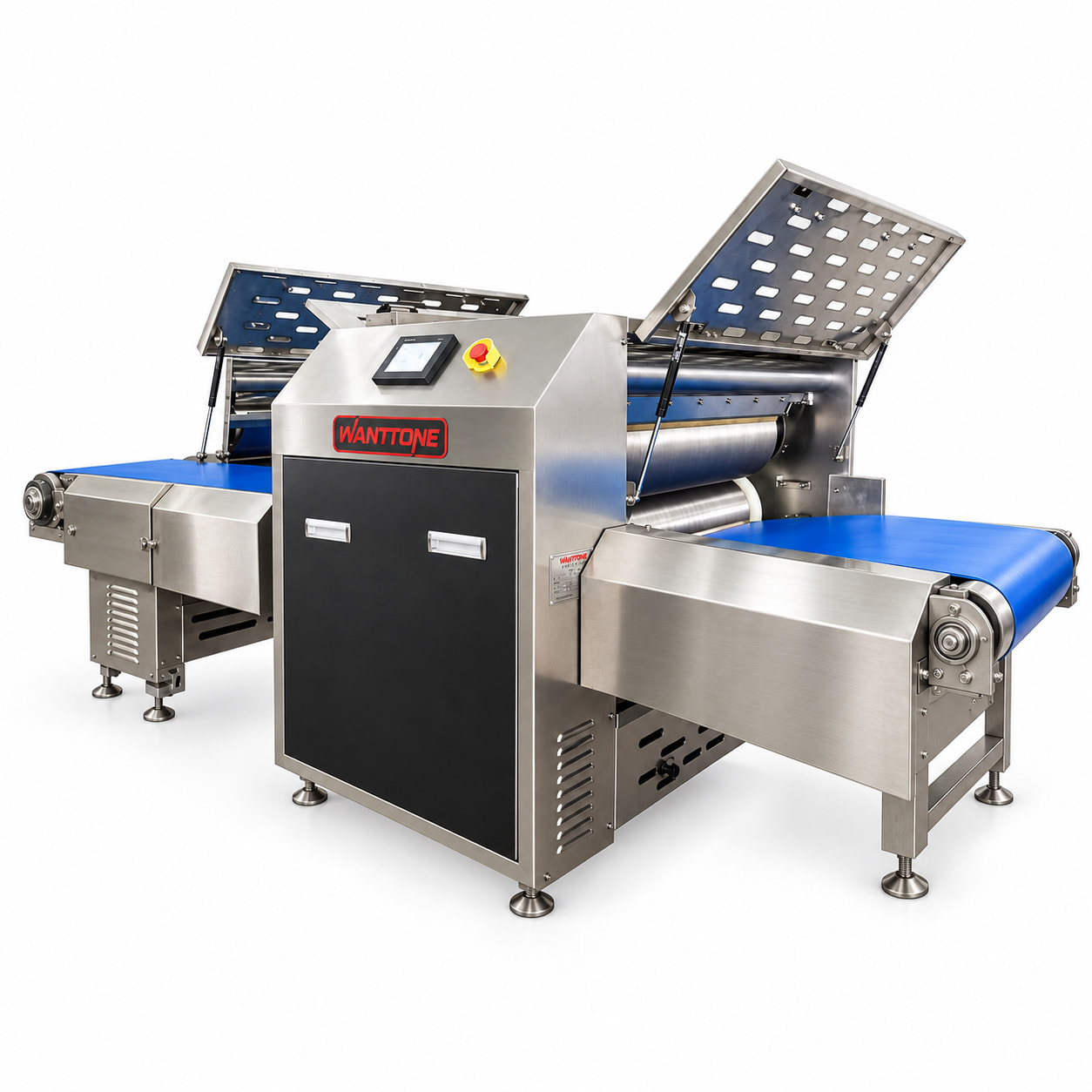
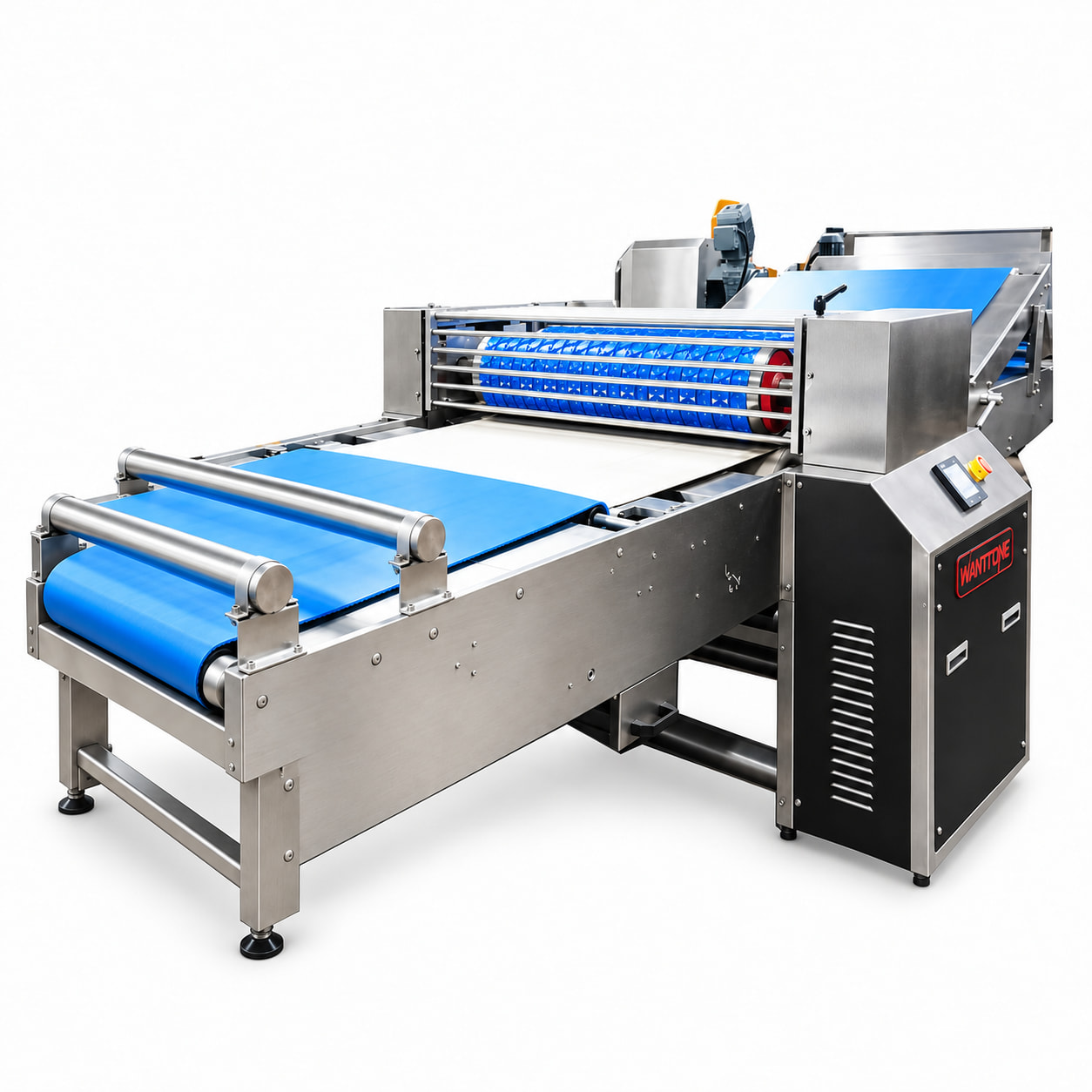
The three-roll dough sheeter receives prepared dough and forms a continuous sheet for the laminator or gauge-roll section of a hard-biscuit or cracker line. It performs primary sheeting; downstream gauge rolls reduce the sheet in stages to the thickness needed for cutting. The sheeter exit thickness, roll settings and relaxation arrangement are selected around the dough and complete forming route.

View Equipment

5 Products

Tunnel & Baking Ovens

Explore Category

The oven is the heart of every biscuit production line — the single machine that determines product color, texture, moisture, and ultimately your energy bill. Wanttone designs and builds industrial tunnel ovens in four heating configurations: electric, gas, hybrid, and diesel, plus tray rotary ovens for batch bakeries and shops.

Reference illustration of Diesel Tunnel Oven

Diesel Tunnel Oven

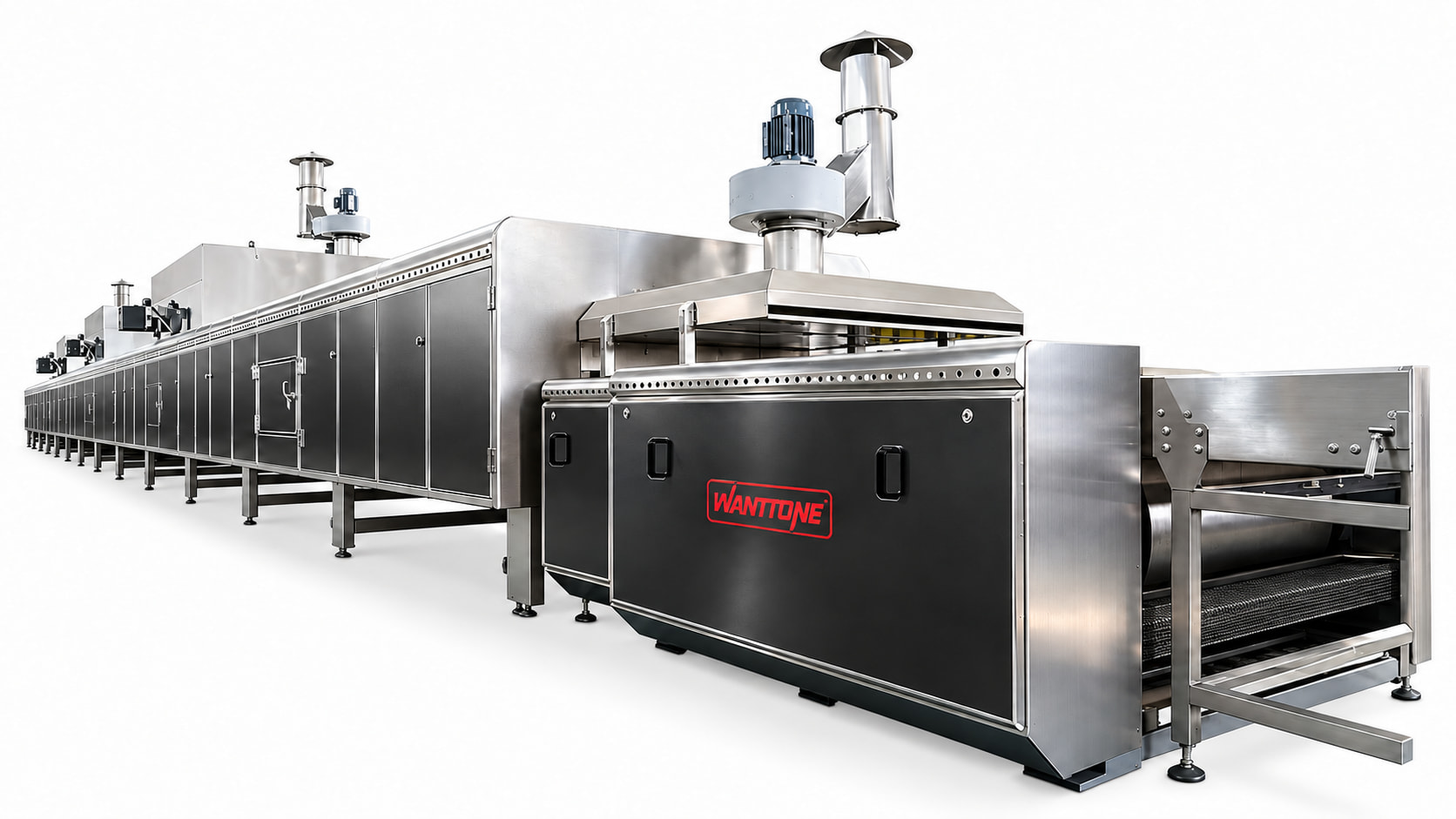
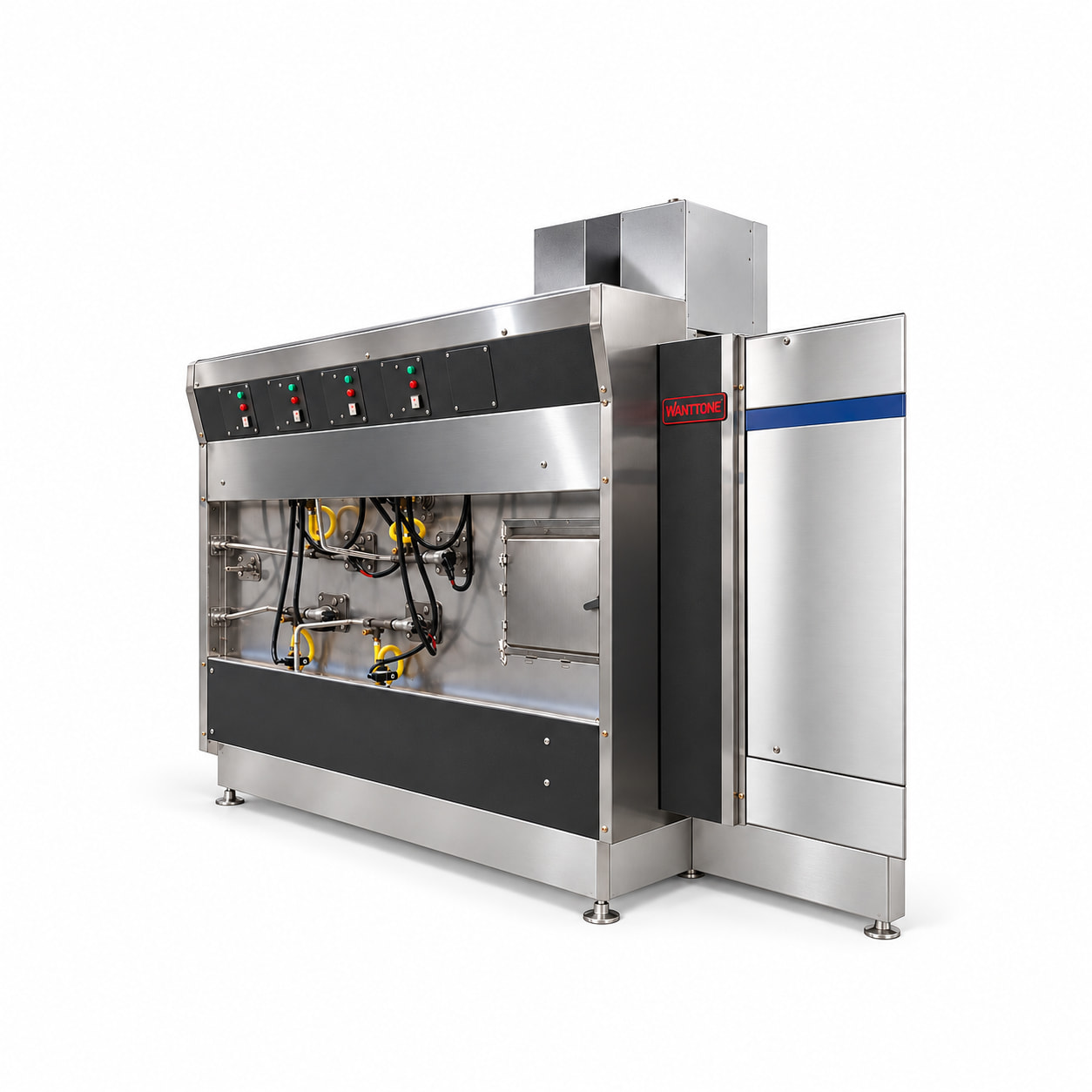
A diesel tunnel oven is the practical answer for biscuit factories where pipeline natural gas simply does not exist — the reality across much of Africa, the Middle East, and South Asia. Wanttone’s diesel tunnel oven burns standard diesel or light fuel oil in high-efficiency burners, transferring heat to the baking chamber through a sealed heat exchanger so combustion gases never touch the product. The result is the same vigorous, stable bake that gas-fired ovens deliver — multi-zone control, even color, continuous 24/7 operation — powered by a fuel that is available and affordable in almost every market. Built in project-specific lengths with up to four zones and heavy rock wool insulation, this biscuit tunnel oven lets you locate your plant where the market is, not where the gas pipeline ends.

View Equipment
Reference illustration of Electric Tunnel Oven

Electric Tunnel Oven

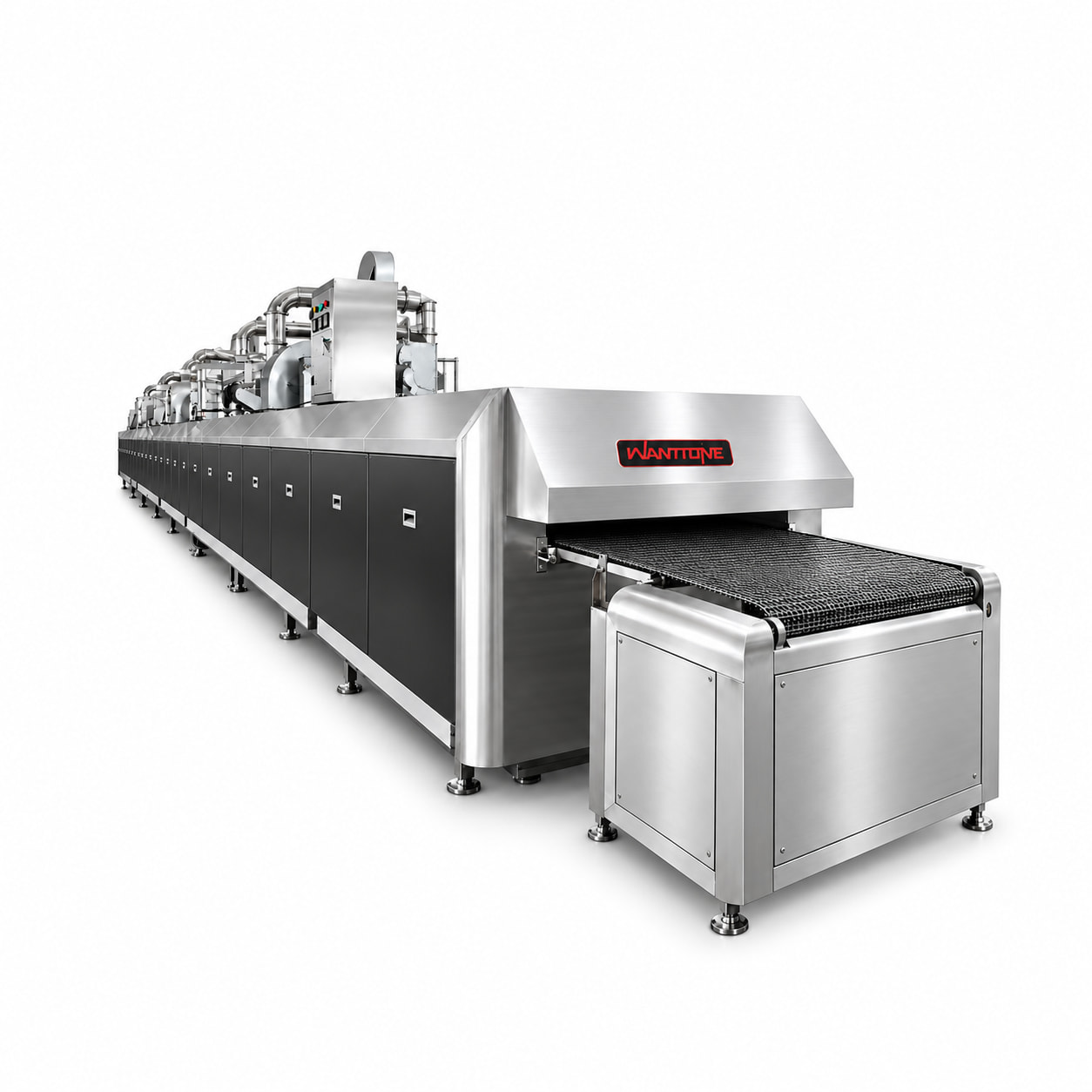
An electric tunnel oven is the cleanest and most precisely controllable baking solution for industrial biscuit production. Wanttone’s electric tunnel oven uses high-efficiency electric heating elements combined with multi-layer hot air circulation to deliver uniform heat across the full width of the baking chamber — with zero combustion gases, zero on-site emissions, and temperature accuracy within ±1°C per zone. Designed for continuous operation in medium to large biscuit, cookie, and cracker factories, this biscuit baking oven is available in standard 620 mm and 800 mm band widths, with oven lengths from 12 m to 60 m and up to four independently controlled temperature zones. For plants with a stable power supply, emission regulations, or clean-room production requirements, an electric tunnel oven is the lowest-risk, easiest-to-maintain choice on the market.

View Equipment
Reference illustration of Gas Tunnel Oven

Gas Tunnel Oven

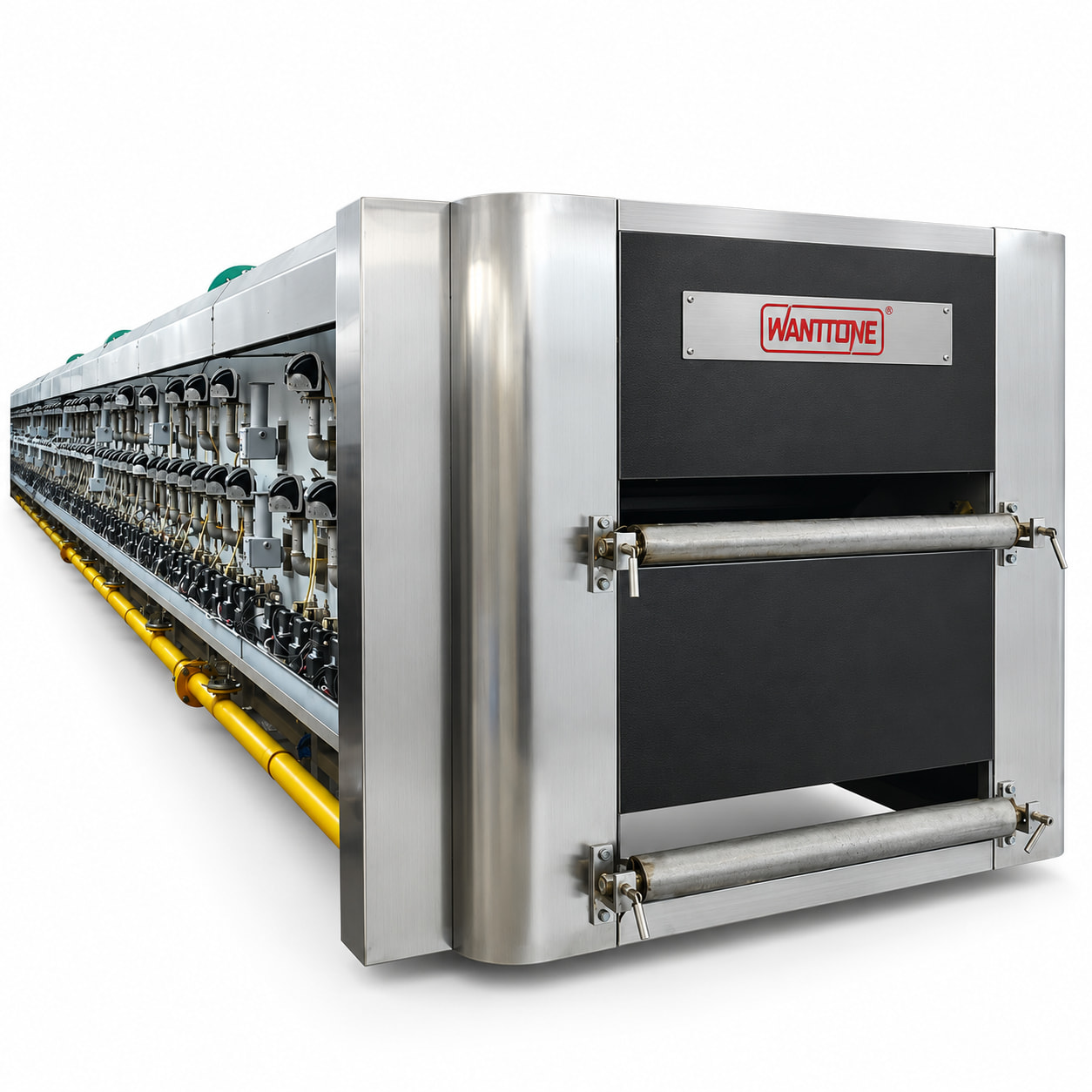
A gas tunnel oven is the workhorse of high-capacity biscuit manufacturing — and the most economical baking solution wherever natural gas or LPG is readily available. Wanttone’s gas tunnel oven burns fuel cleanly inside high-efficiency combustion tubes, delivering heat to the product through three simultaneous mechanisms: convection from circulating hot air, conduction through the stainless-steel conveyor band, and direct radiation across the baking chamber. The result is lower energy cost per ton, faster thermal response, and the strong, stable heat that crackers and hard biscuits demand. Built in lengths up to 60 m with two to four automatically controlled zones and digital temperature display, this biscuit tunnel oven runs on natural gas, LPG, or diesel — configured to your local fuel infrastructure and production targets.

View Equipment
Reference illustration of Hybrid Tunnel Oven

Hybrid Tunnel Oven

A hybrid tunnel oven gives biscuit manufacturers something no single-energy oven can: the freedom to choose — or combine — the ideal heating method for every product and every zone. Wanttone’s hybrid tunnel oven integrates gas heating, electric heating, and infrared heating in one continuous baking tunnel, letting operators assign direct-fired gas to zones that need fast, vigorous heat, hot-air or electric heating to zones that need precision, and infrared where deep, even penetration is required. The result is one biscuit baking oven that handles hard biscuits, soft biscuits, soda crackers, butter cookies, and pretzels on a single line — with energy optimization built in and an optional waste heat recovery system that recycles exhaust energy back into the process. For multi-product factories and plants facing uncertain energy prices, the hybrid tunnel oven is the most future-proof investment in the category.

View Equipment
Reference illustration of Tray Rotary Oven

Tray Rotary Oven

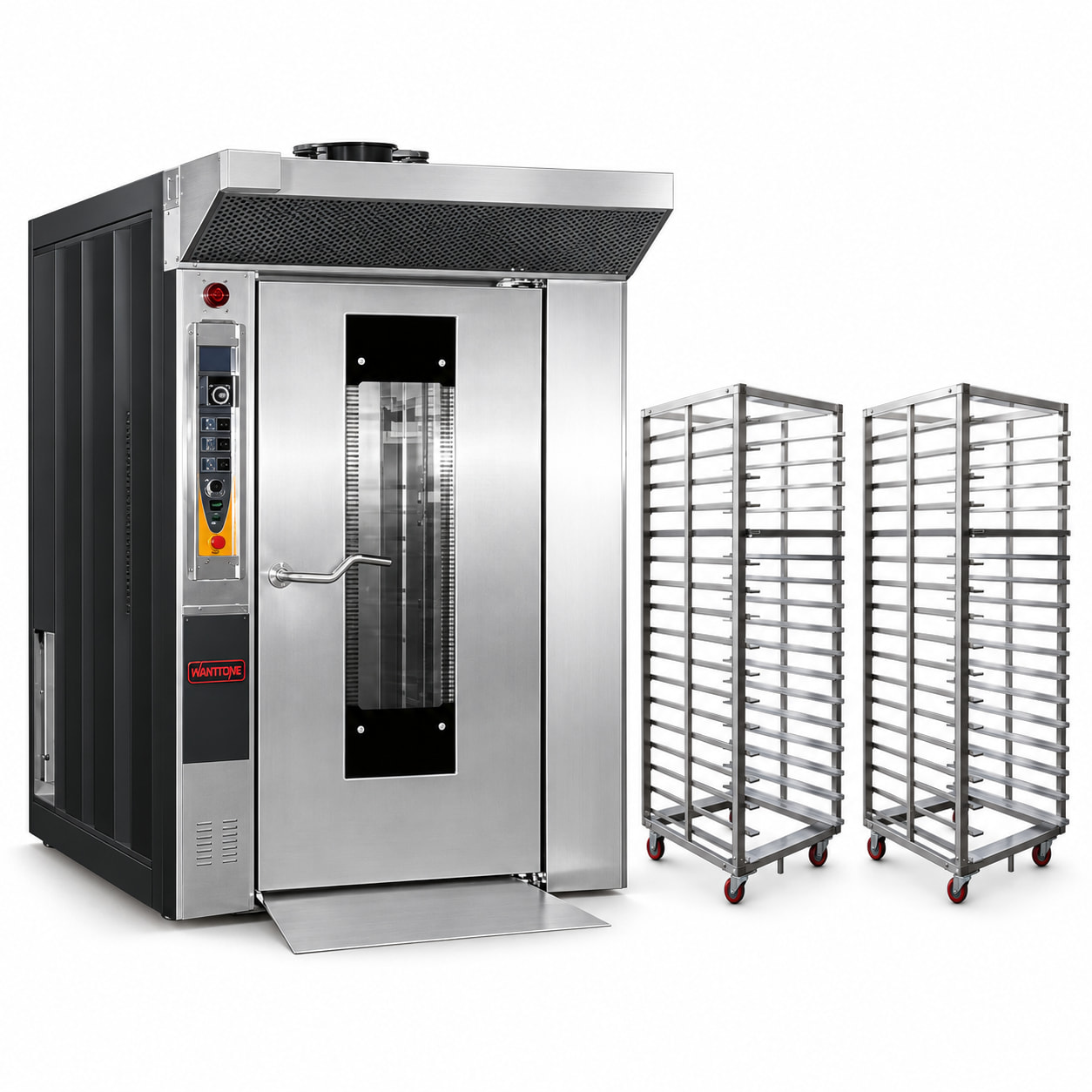
A tray rotary oven — also called a hot-air rotary rack oven — is a batch-type baking oven in which a full trolley of trays rotates slowly inside a forced-convection chamber, so every tray receives identical heat and airflow. Wanttone’s tray rotary oven gives small and medium bakeries, in-store bakeries, hotels, and central kitchens industrial-grade baking quality without the footprint or capital of a continuous tunnel line: roll the loaded rack in, set the program, and roll out evenly baked bread, cookies, cakes, or pastries — top and bottom trays in the same color, no mid-bake tray swapping. Available in electric, gas, and diesel versions, the rotary rack oven is the most versatile single baking investment for growing bakery businesses.

View Equipment

8 Products

Sandwiching, Finishing & Conveying Equipment

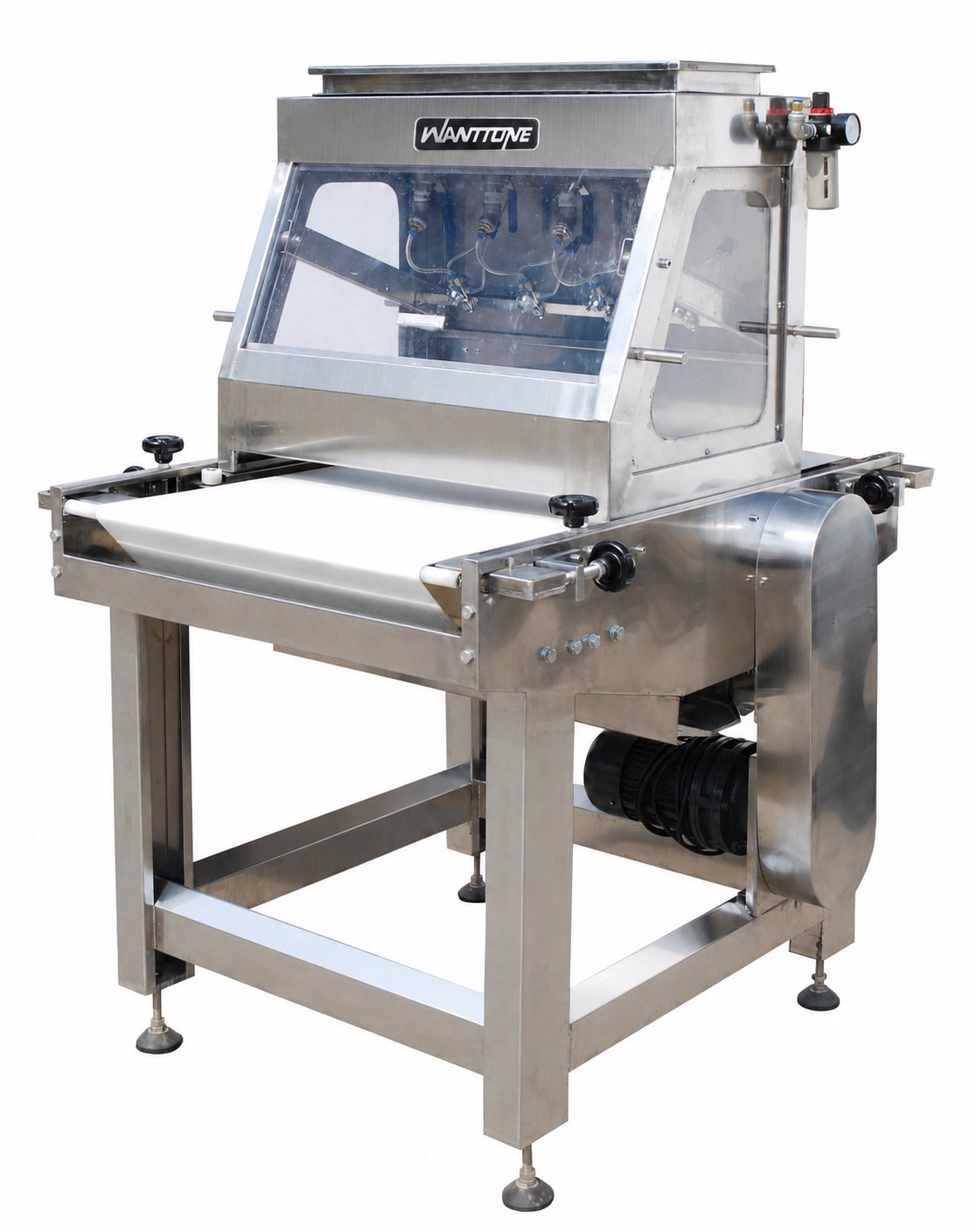
Surface treatment, filling and downstream handling determine how biscuits look, taste and reach the packing station. Wanttone’s range includes egg wash machines and salt and sugar sprinklers for formed dough before baking; sandwich biscuit machines and cookie cappers for cream, jam and chocolate fillings after baking; oil sprayers for freshly baked biscuits; and cooling conveyors, turning conveyors, biscuit stackers, spiral tower conveyors and metal detectors for product handling and inspection before packing.

Reference illustration of Biscuit Stacker Machine

Biscuit Stacker Machine

A biscuit stacker machine automatically receives cooled biscuits from the cooling conveyor, arranges them into orderly rows using a star wheel and differential speed mechanism, and stacks them upright on edge for direct feeding into wrapping and packing equipment. The Wanttone biscuit stacker replaces manual biscuit handling between cooling and packaging, cutting labor costs, eliminating handling damage, and ensuring every stack reaching the packer has the same count and orientation — the key to stable, high-speed automated packaging.

View Equipment
Reference illustration of Cooling Conveyor & Turning Machine

Cooling Conveyor & Turning Machine

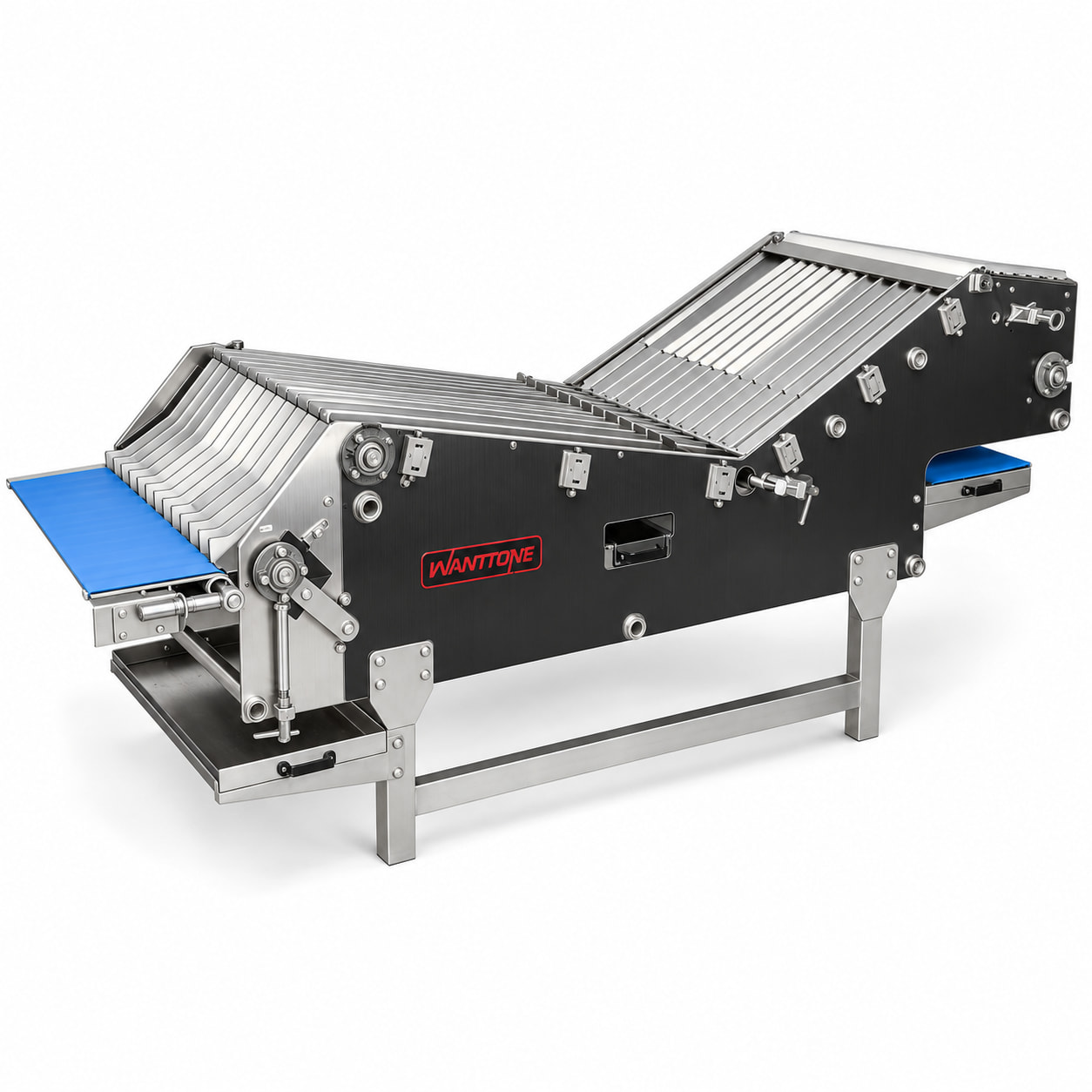
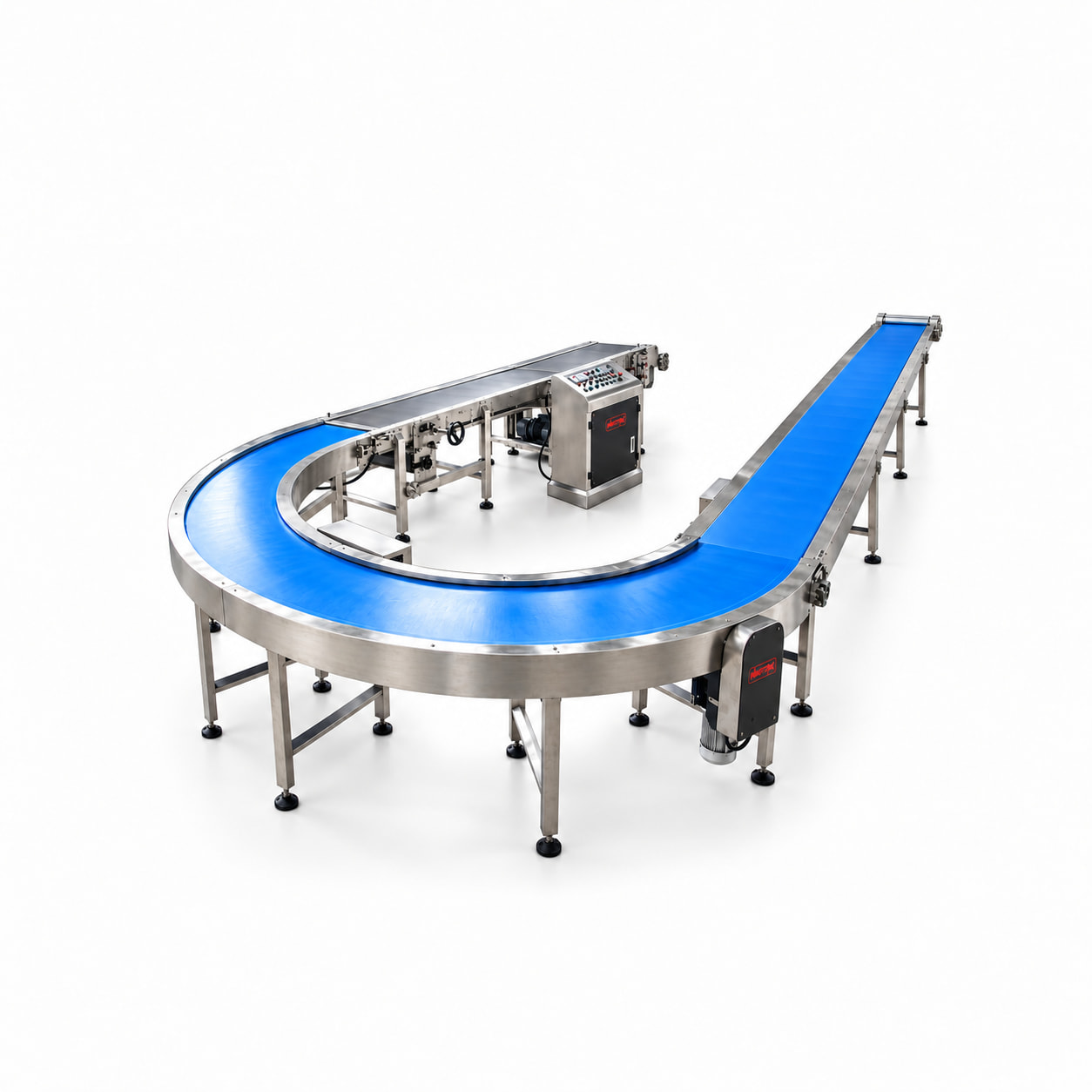
A biscuit cooling conveyor brings freshly baked biscuits down to room temperature in a controlled, natural way as they travel from the oven to the packing area, preventing deformation, cracking, and condensation inside packaging that would shorten shelf life. Wanttone designs and builds straight, inclined, and 90°/180° turning cooling conveyors in working widths from 600 to 1800 mm — including Z-type multi-layer and overhead suspended structures — so the cooling section delivers the required cooling time while fitting the real floor space of your factory.

View Equipment
Egg Sprinkle Machine (Egg Wash Coating Machine)

Egg Sprinkle Machine (Egg Wash Coating Machine)

An egg sprinkle machine applies a thin, even layer of egg liquid (or syrup glaze) onto formed biscuit dough before baking, giving finished products the golden color, glossy surface, and enhanced taste that signal premium quality to consumers. The Wanttone egg sprinkle machine supports three coating methods — roller coating, brush coating, and spraying — selected to match your product and line speed, with adjustable flow and pressure under PLC touch-screen control so every biscuit receives an identical, controlled film of egg wash.

View Equipment
Reference illustration of Metal Detector

Metal Detector

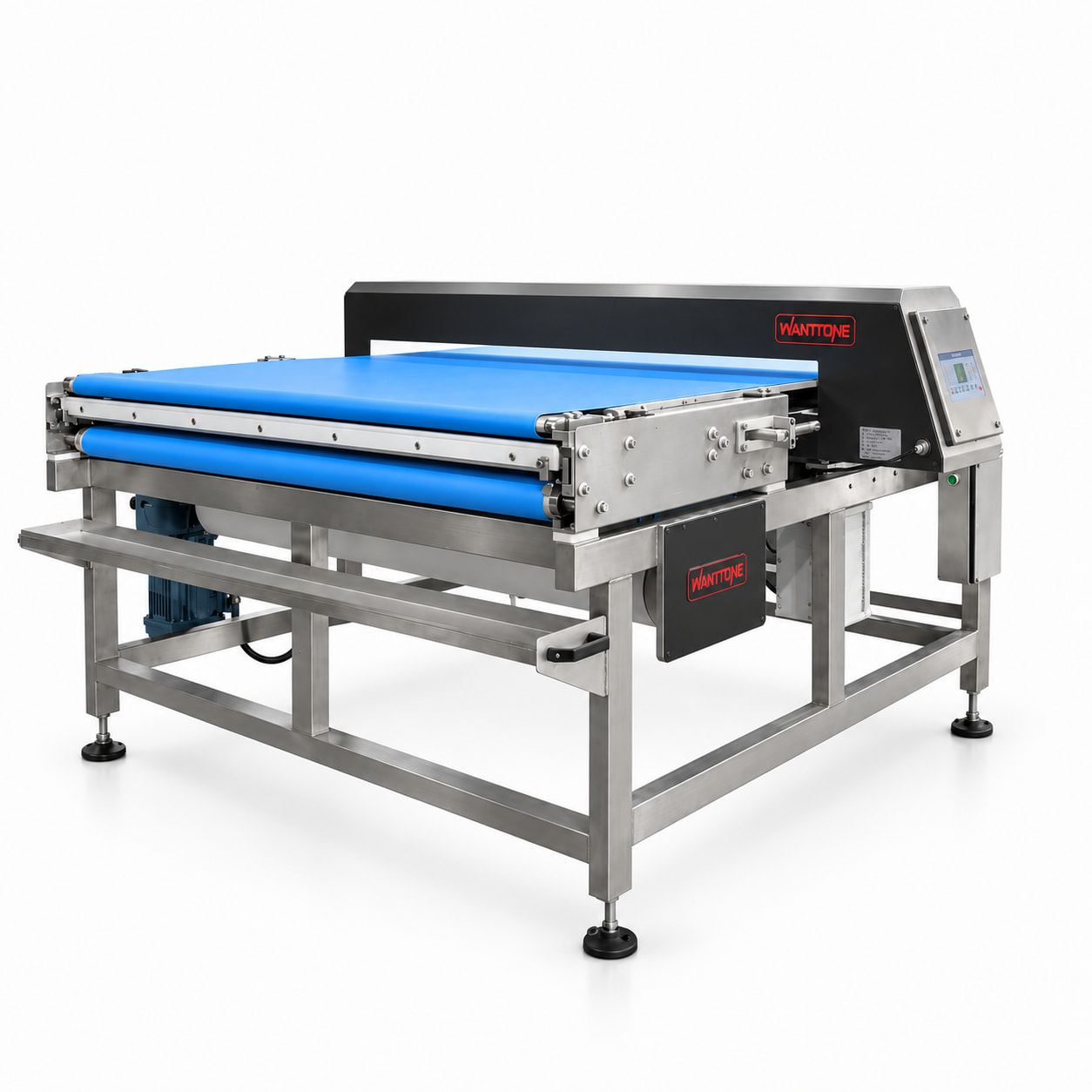
A food metal detector is the critical food-safety checkpoint of a biscuit production line, continuously scanning dough or finished biscuits for ferrous and non-ferrous metal contamination and automatically rejecting any affected product before it reaches packaging and consumers. The Wanttone metal detector for biscuit lines detects metal particles down to 1 mm, combines a high-sensitivity detection head with a buzzer alarm and an automatic reject device, and runs on an imported food-grade PU belt conveyor — protecting your customers, your brand reputation, and your compliance with retailer and export food-safety audits.

View Equipment
Reference illustration of Oil Sprayer Machine

Oil Sprayer Machine

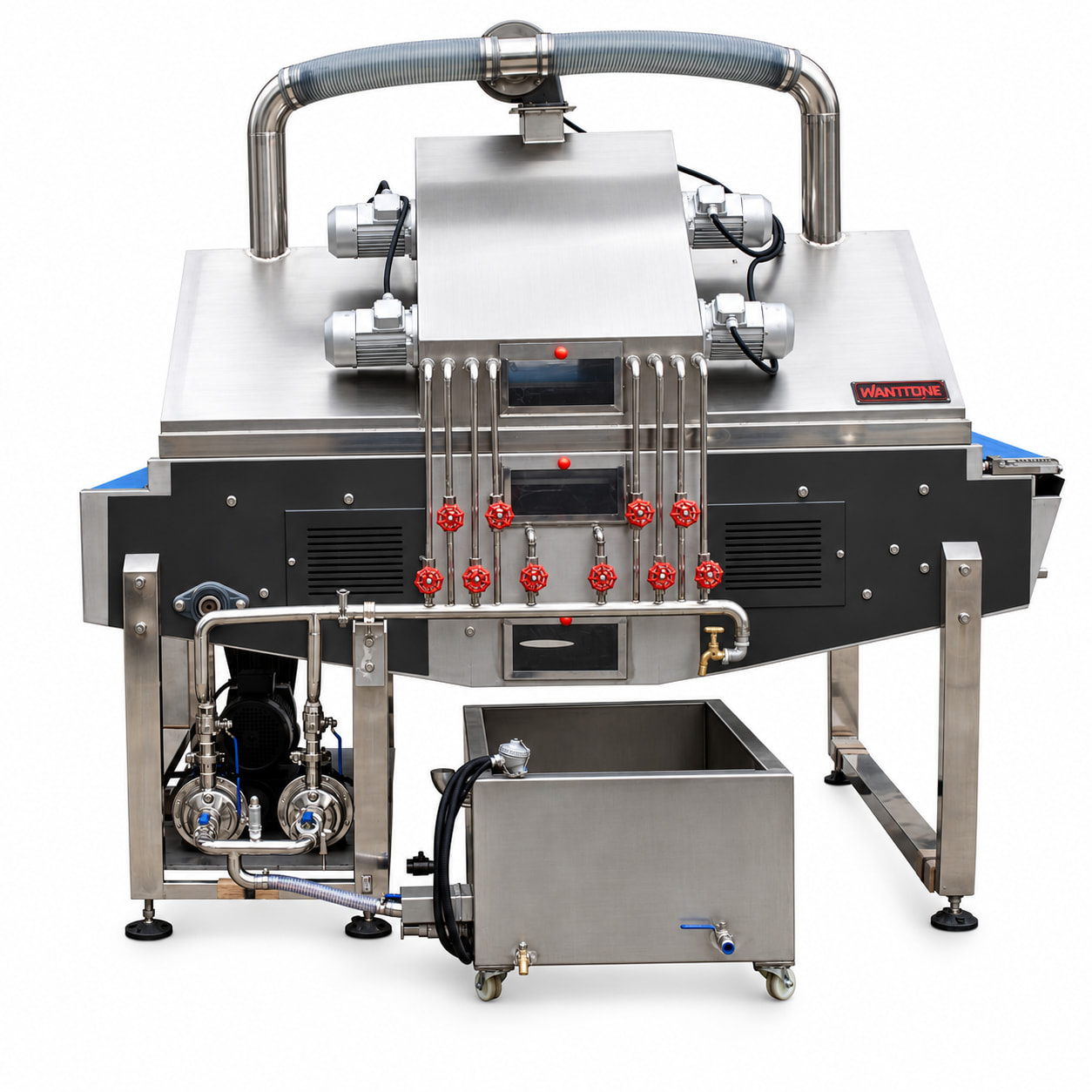
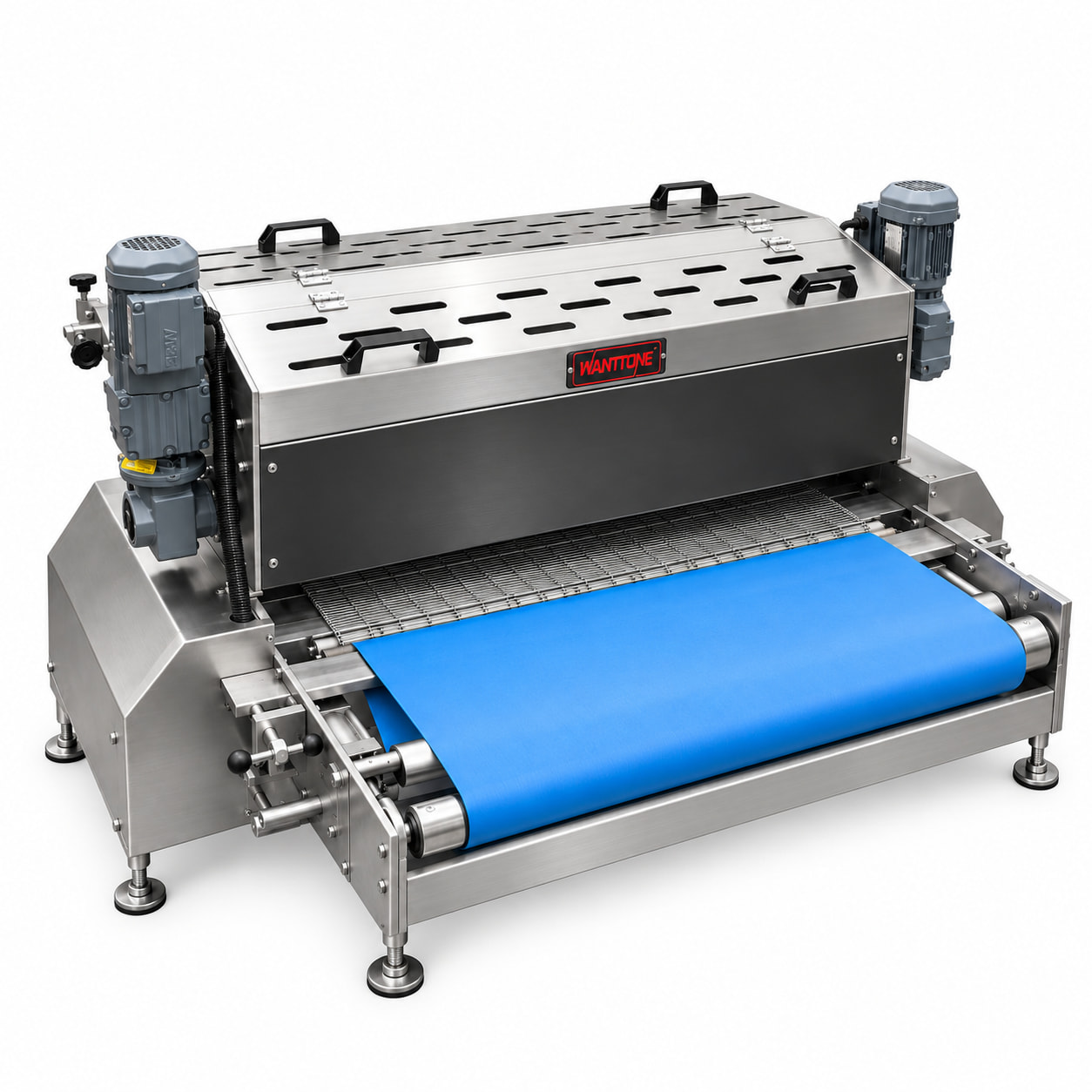
An oil sprayer applies edible oil to baked biscuits before cooling, adding a controlled surface coating for the required flavor and appearance. The spray arrangement is specified around the oil, biscuit geometry, target coating level and line speed. Centrifugal-disc and nozzle-based atomization are different approaches; the selected method, surface coverage and oil recovery arrangement are confirmed for each configuration.

View Equipment
Reference illustration of Salt & Sugar Sprinkle Machine

Salt & Sugar Sprinkle Machine

A salt and sugar sprinkle machine evenly distributes granulated salt, sugar, sesame seeds, or spices onto the surface of formed biscuit dough before it enters the tunnel oven, building flavor, texture, and visual appeal into the finished product. The Wanttone salt & sugar sprinkler offers two application methods — a rotating centrifugal sprinkling disc and compressed-air injection — together with an integrated recovery system that collects and reuses excess granules, giving biscuit producers precise, uniform seasoning coverage with minimal material waste.

View Equipment
Reference illustration of Sandwich Biscuit Machine (Cookie Capper)

Sandwich Biscuit Machine (Cookie Capper)

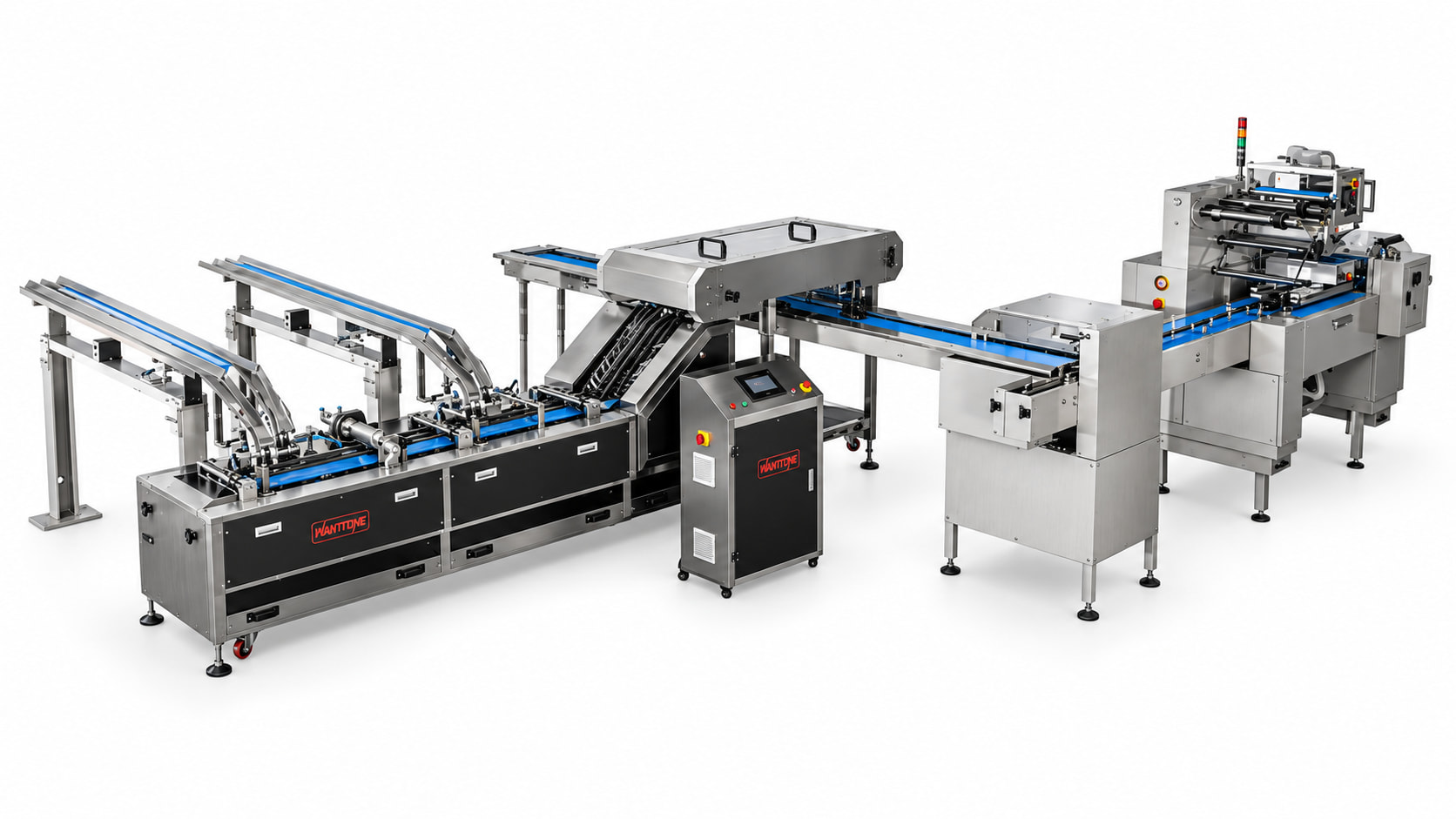
A sandwich biscuit machine — also known in the industry as a cookie capper — automatically feeds baked biscuit shells, deposits a precisely metered layer of cream, jam, chocolate, or peanut butter filling onto the bottom shell, and caps it with a second shell to form a finished sandwich biscuit. Wanttone’s sandwich biscuit machines combine pneumatic or servo-driven biscuit handling, PLC-controlled filling metering, and single-, double-, or multi-lane configurations to deliver outputs from 100 up to 900 sandwiches per minute, making them the core value-adding machines in any cream biscuit or Oreo-type production line.

View Equipment
Reference illustration of Spiral Tower Conveyor

Spiral Tower Conveyor

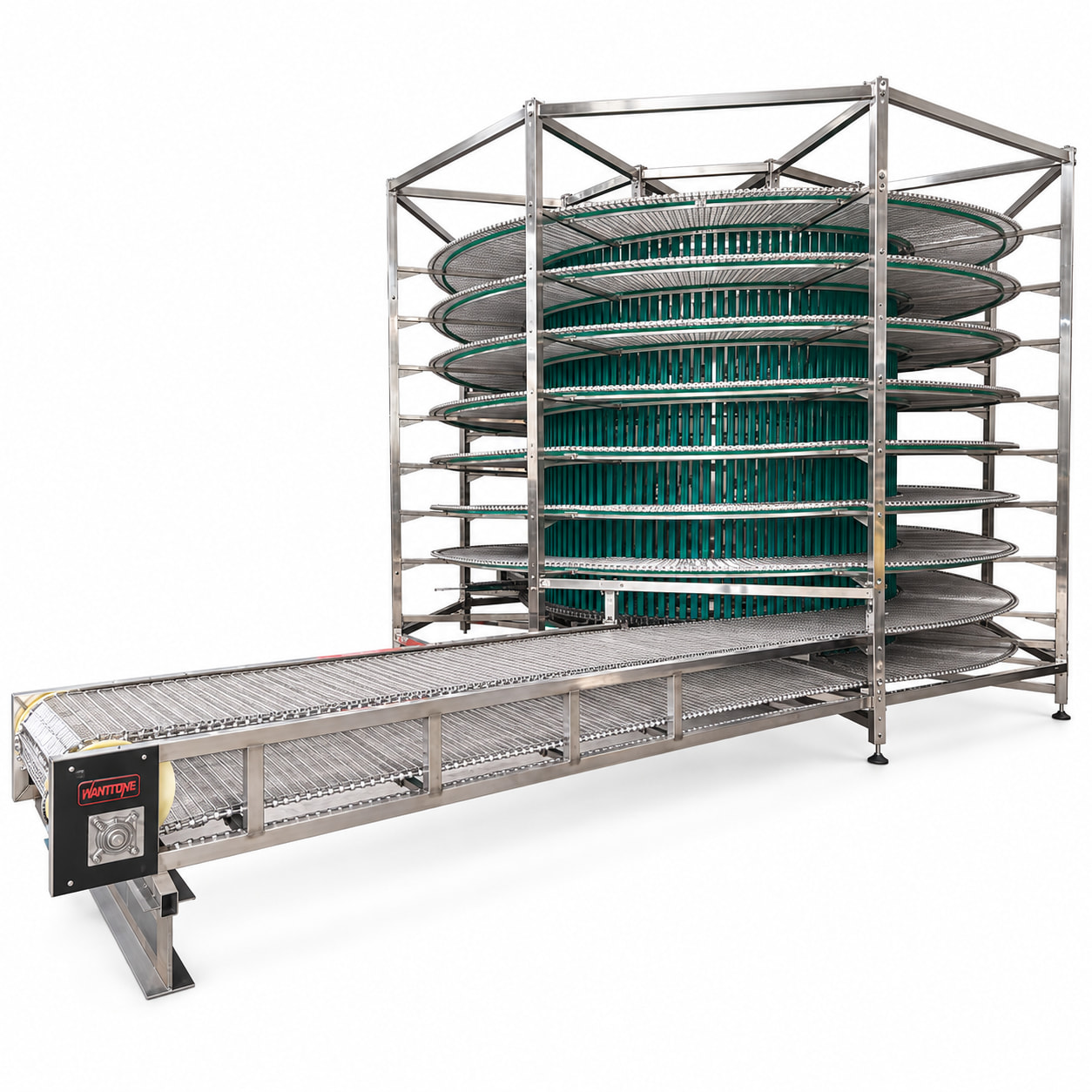
A spiral tower conveyor carries products up (or down) a continuous helical belt inside a vertical tower, packing tens or hundreds of meters of conveying length into a footprint of only a few square meters. For biscuit and bakery plants, the Wanttone spiral tower conveyor is the space-efficient answer wherever extended in-line time is needed — ambient cooling of hot biscuits after the oven, product buffering and accumulation before packaging, or proofing, chilling, and freezing applications — keeping product moving continuously without manual transfer or large horizontal conveyor runs.

View Equipment

1 Product

Ice Cream Cone Machines

Explore ice cream cone making equipment for batter-based cone production. Select the cone format and output to suit your product range, with equipment configuration and installation support matched to your production requirements.

Reference illustration of Ice Cream Cone Making Machine

Ice Cream Cone Making Machine

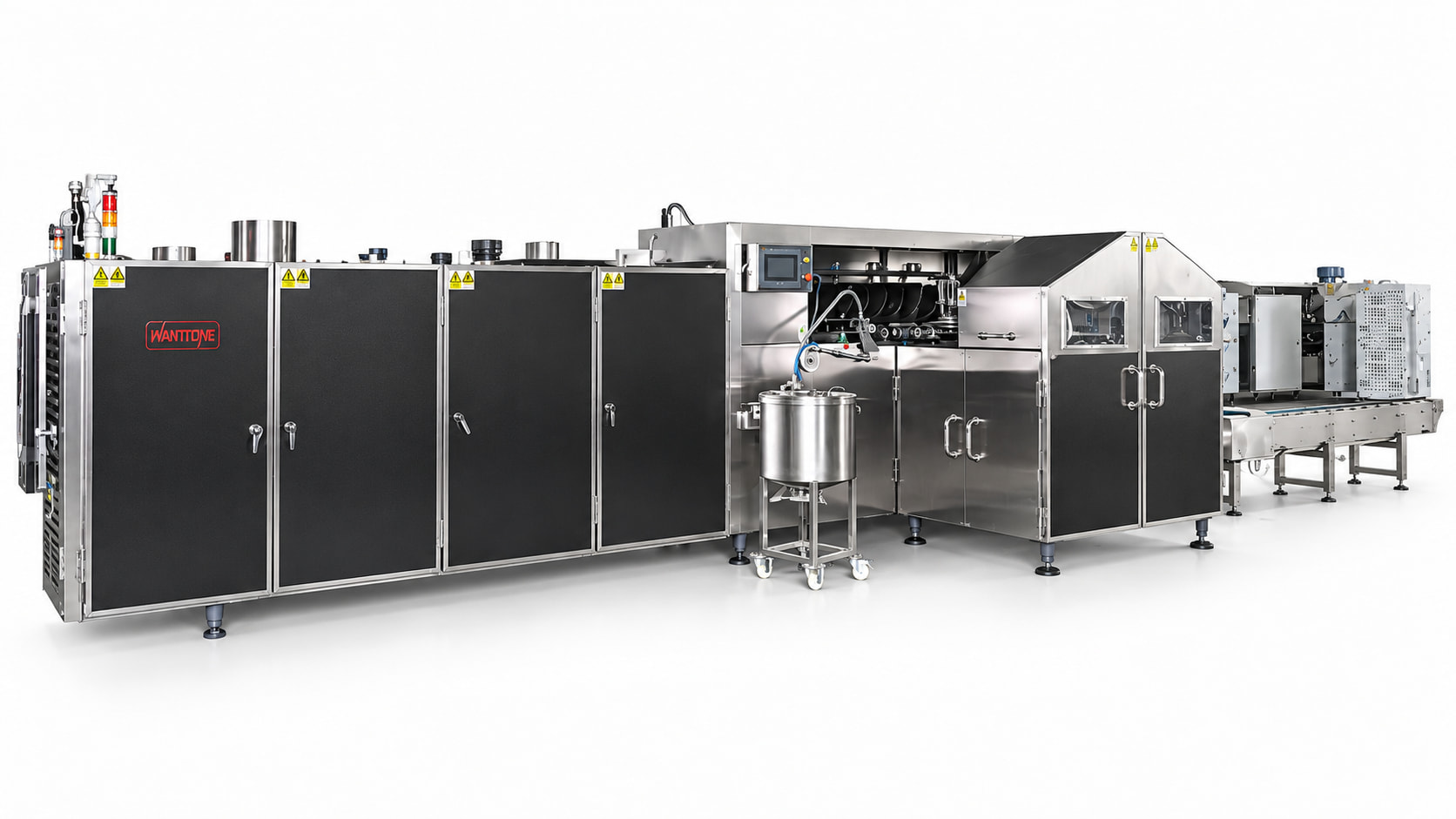
An ice cream cone making machine is an automatic baking and forming system that turns sweet wafer batter into crisp, uniformly shaped cones — sugar cones, waffle cones, and wafer cups — ready for filling with ice cream. Wanttone’s ice cream cone making machine integrates batter mixing and dosing, heated baking plates, automatic rolling or molding, and cone ejection and stacking in one continuous cycle, delivering consistent wall thickness, color, and crunch at commercial production volumes.

View Equipment

3 Products

Chocolate Processing & Coating Equipment

Chocolate turns a good biscuit into a premium product — and it demands equipment that understands temperature, viscosity, and timing. This category covers Wanttone’s chocolate processing and coating equipment: chocolate conche refiners that grind and conch chocolate mass to a silky, fine texture; chocolate enrobing machines that coat biscuits, wafers, and cakes in a uniform chocolate layer; and chocolate & custard depositors with integrated cooling that place precise fillings and set them in one continuous pass.

Reference illustration of Chocolate Conche Refiner

Chocolate Conche Refiner

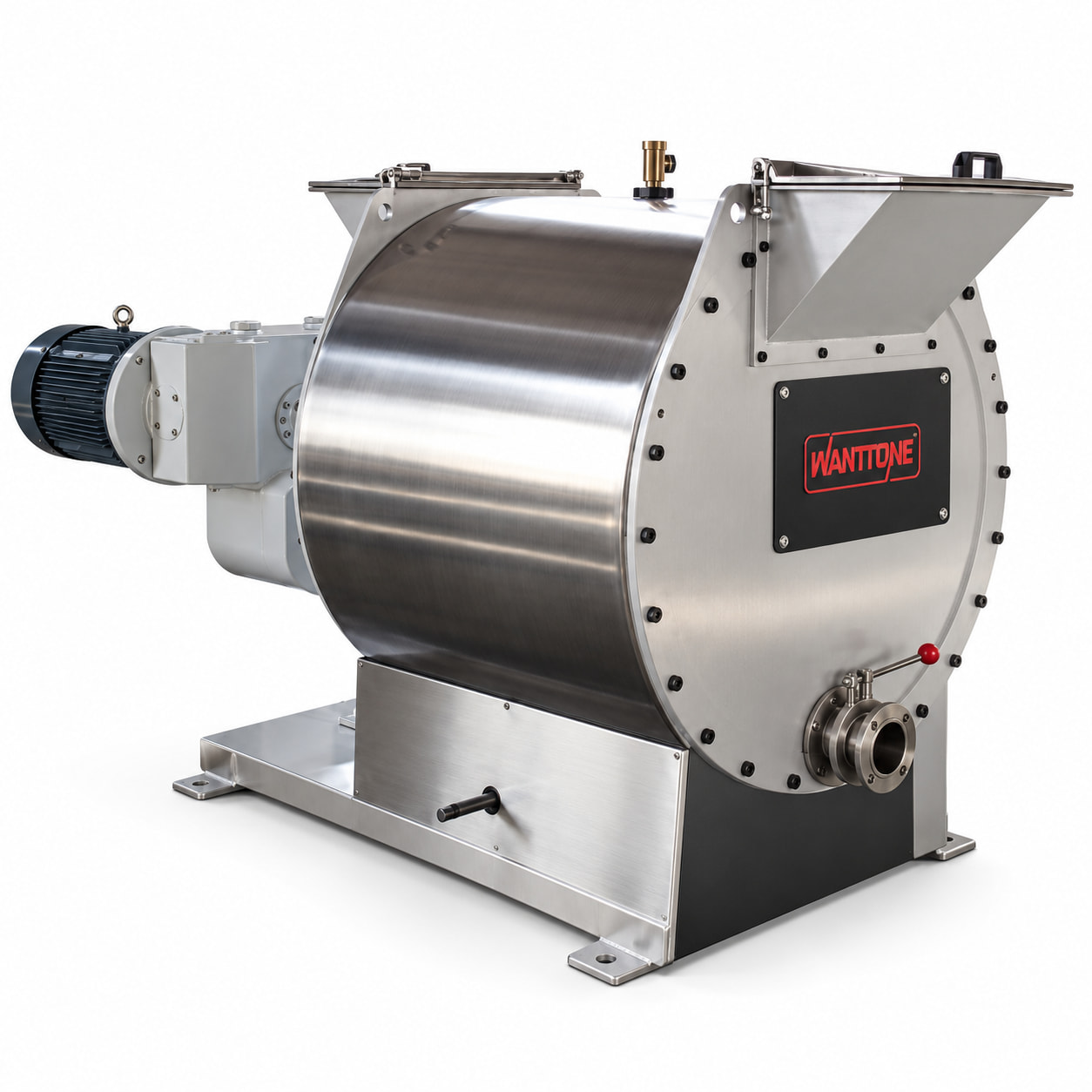
A chocolate conche refiner is the machine that transforms coarse chocolate mass — a blend of cocoa liquor, cocoa butter, sugar, and milk powder — into the smooth, fine-textured, fully flavored chocolate used for coating, molding, and filling. Combining refining (particle size reduction) and conching (prolonged mixing, aeration, and flavor development) in one vessel, the Wanttone chocolate conche refiner reduces particle fineness to a silky 20–30 microns, drives off moisture and volatile acids, and rounds out the chocolate’s flavor profile. It is the quality-defining first step for any biscuit or bakery plant that produces its own coating chocolate or compound chocolate in-house.

View Equipment
Reference illustration of Chocolate & Custard Depositor with Cooling Machine

Chocolate & Custard Depositor with Cooling Machine

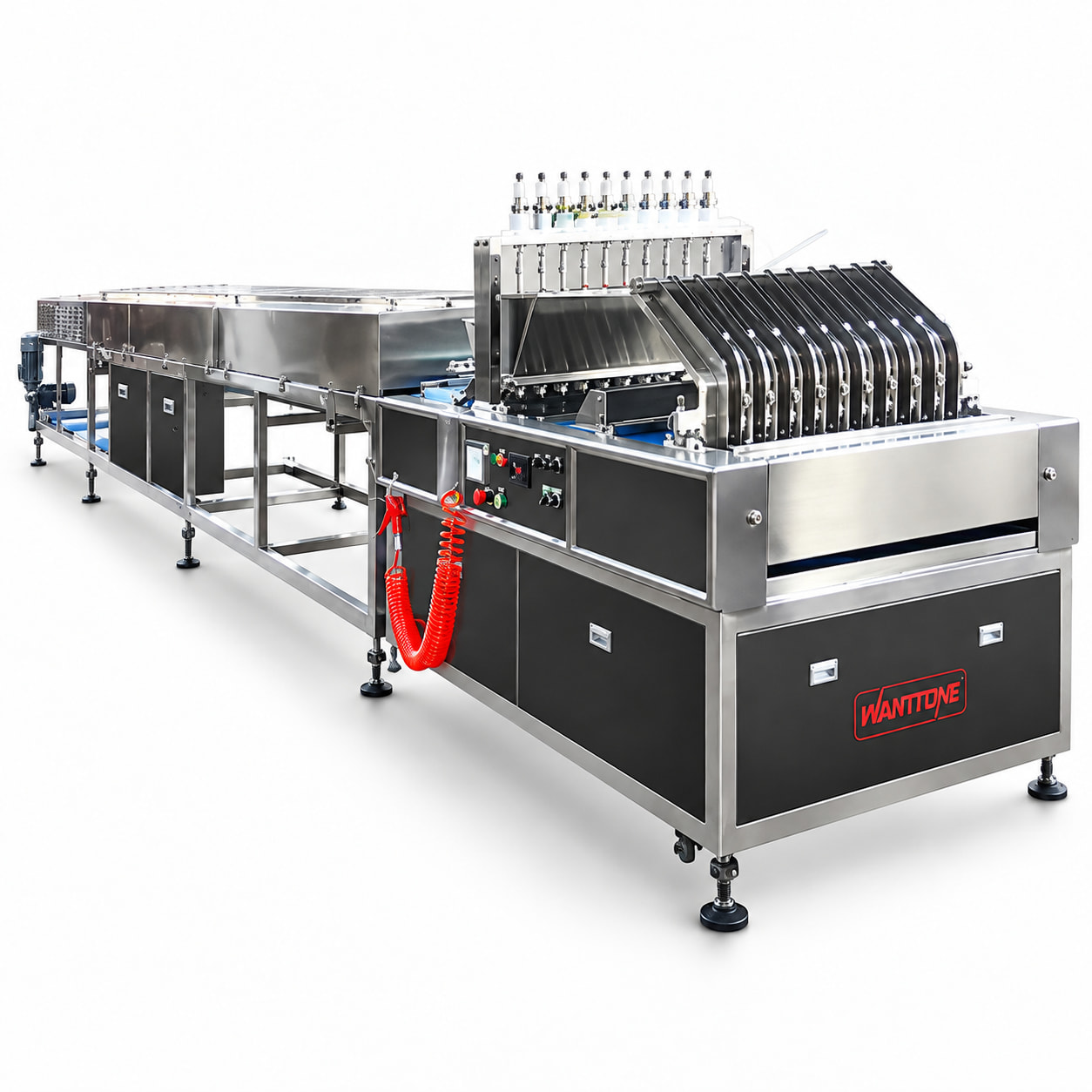
A chocolate and custard depositor with a cooling machine places precisely metered dots, drops, or strips of chocolate, custard, or similar fillings onto biscuits, cookies, or wafers — then sets them immediately in an integrated cooling tunnel, all in one continuous flow. The Wanttone chocolate & custard depositor and cooling machine combines servo-driven depositing heads for gram-weight accuracy with a matched cooling section that solidifies the deposit before stacking and packaging, eliminating manual transfer and enabling high-speed production of chocolate-topped and custard-filled biscuits.

View Equipment
Reference illustration of Chocolate Enrobing Machine

Chocolate Enrobing Machine

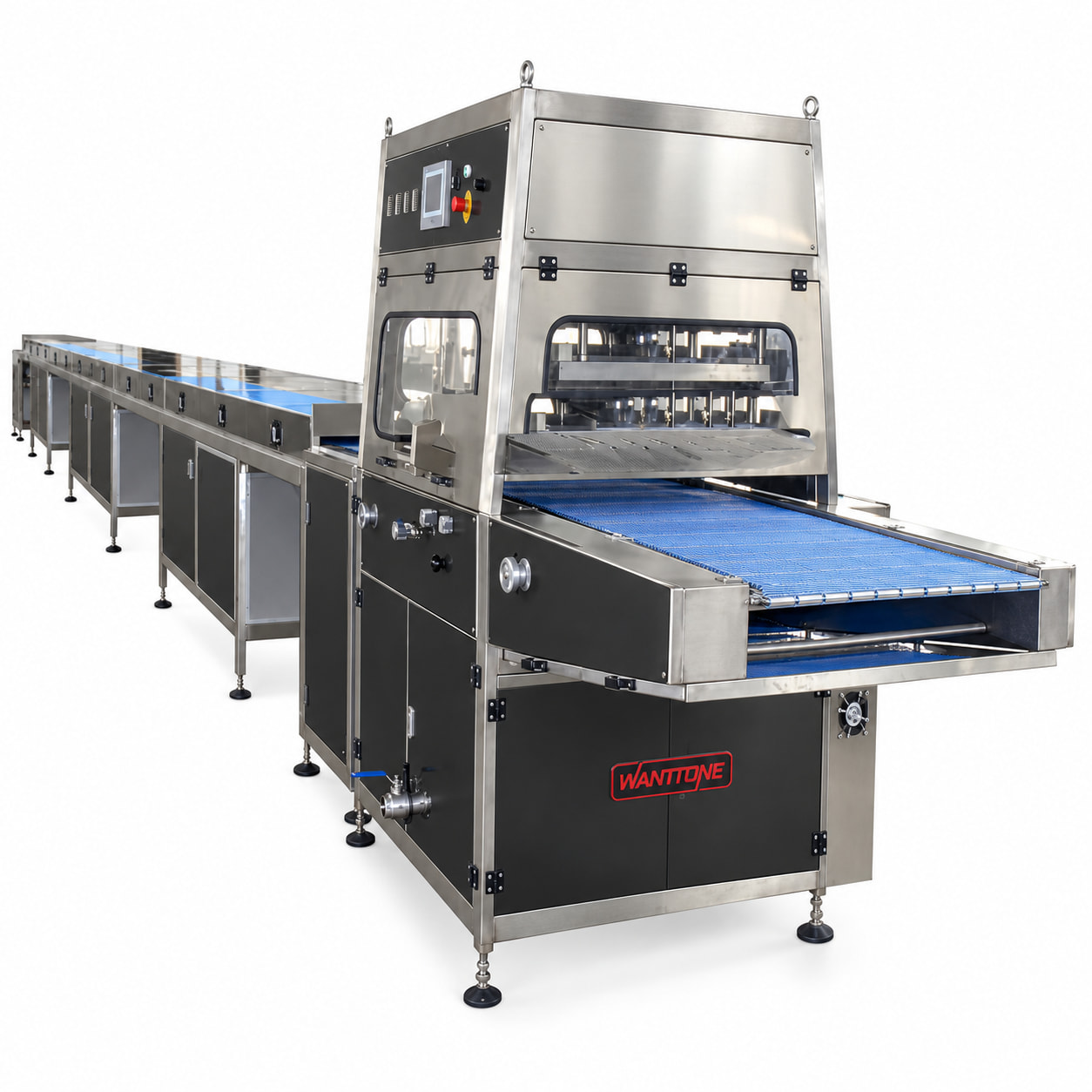
A chocolate enrobing machine — also called a chocolate enrober or chocolate coating machine — covers biscuits, wafers, cookies, and cakes with a smooth, uniform layer of chocolate as they pass on a wire-mesh belt through a flowing chocolate curtain. The Wanttone chocolate enrobing machine combines a chocolate curtain and bottom-coating system, an air blower that removes excess coating, and a vibrating belt that levels the finish, all built in food-grade SUS304 stainless steel. Paired with a cooling tunnel, it delivers perfectly coated, fully set products at continuous industrial line speed.

View Equipment
4 Products

Packaging Machines & Systems

Explore Category

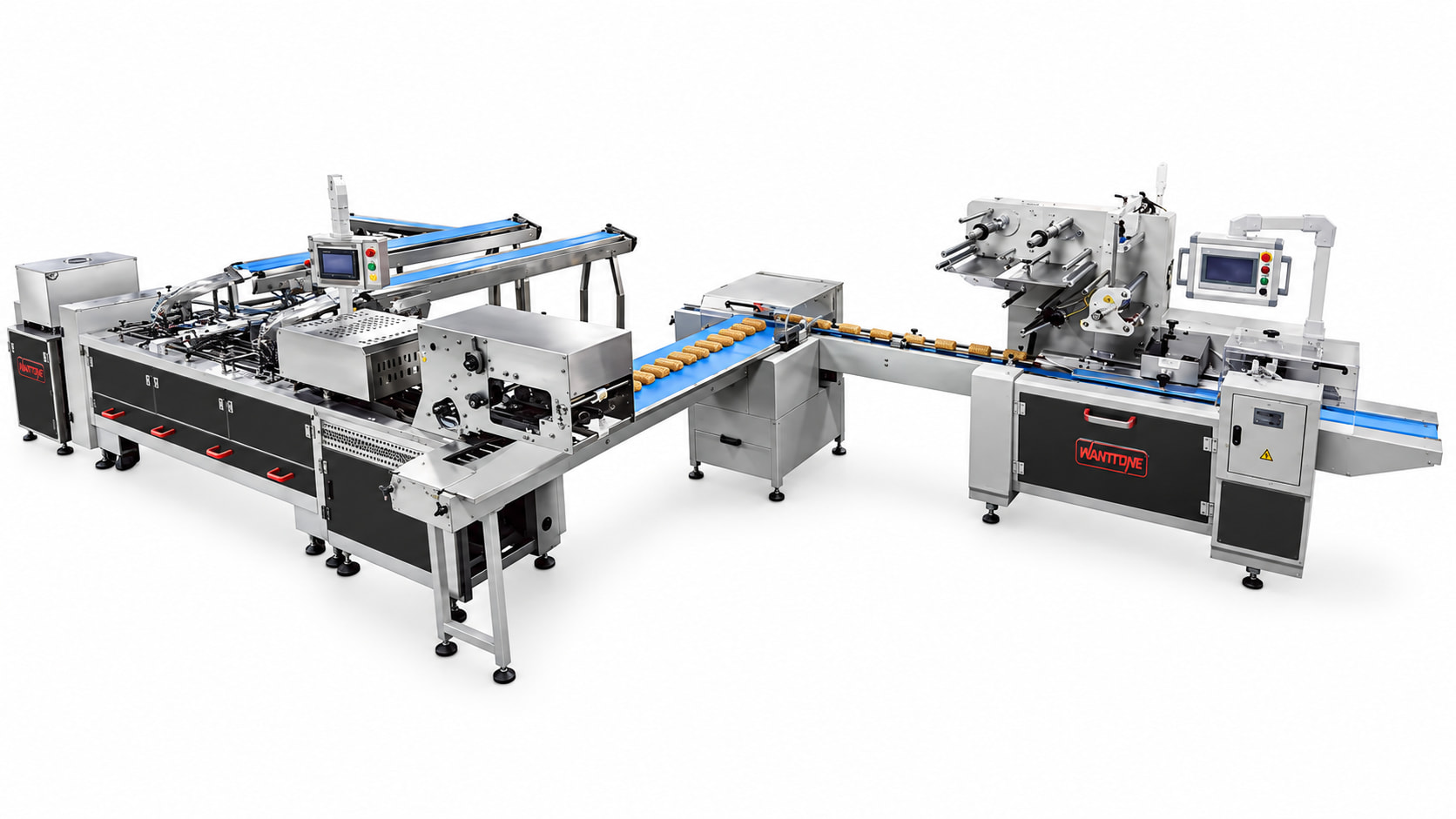
Packaging is the final step that protects your product, presents your brand, and determines how much of your baking capacity actually reaches the shelf. This category covers Wanttone’s packaging machines and systems: automatic feeding, stacking and packing lines that organize Swiss rolls, bread, and biscuits into orderly groups; flow packing machines for high-speed pillow packs, including X-Fold fold-wrap variants; on-edge packing machines that wrap biscuits in protective standing slugs; and VFFS vertical form fill seal machines for pillow bags.

Reference illustration of Automatic Feeding, Stacking & Packing Line

Automatic Feeding, Stacking & Packing Line

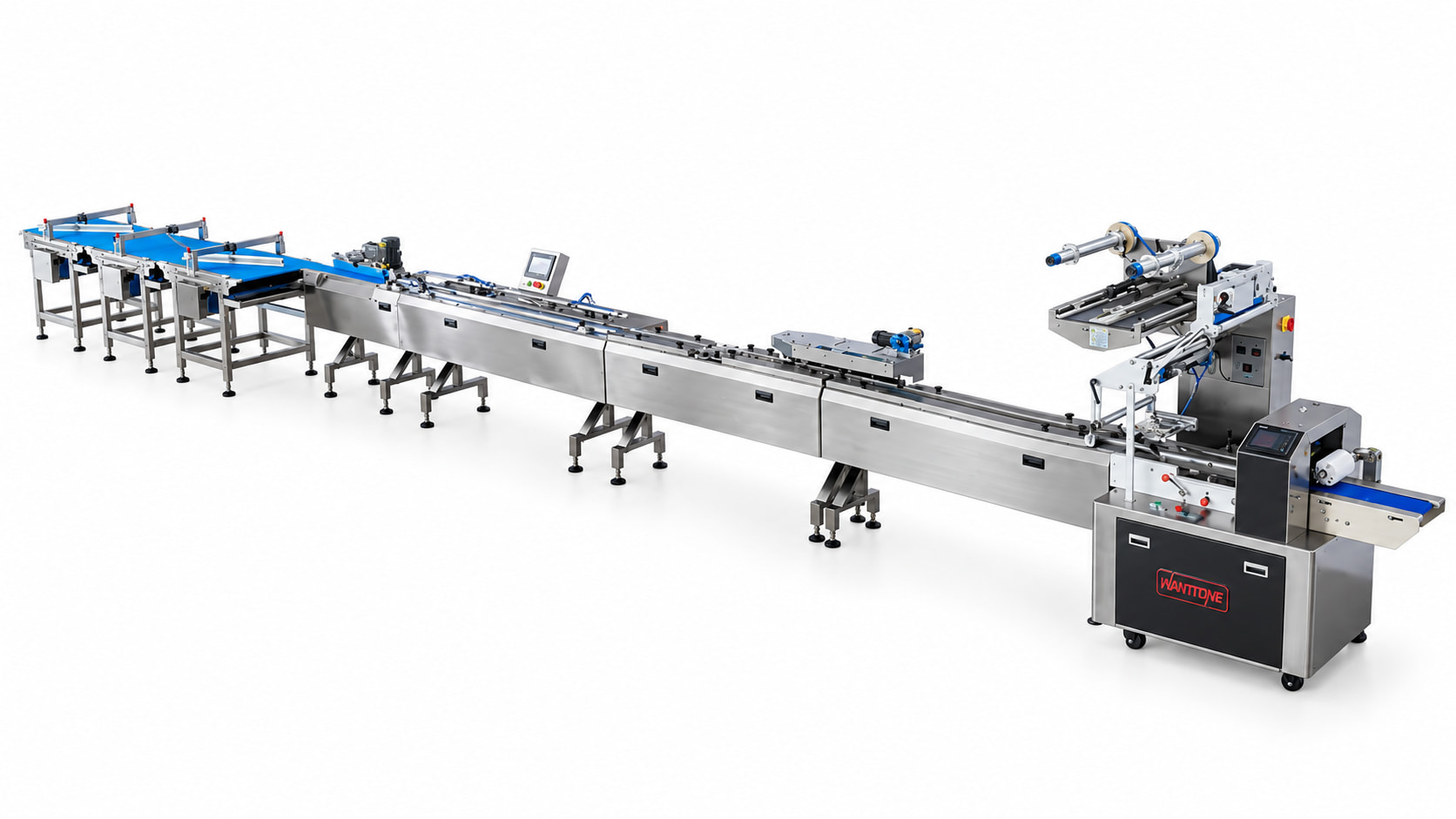
An automatic feeding, stacking and packing line takes unordered products arriving from the cooling section — Swiss rolls, sliced bread, biscuits, cookies, or cakes — and automatically aligns, counts, groups, and stacks them before feeding them into flow wrappers, on-edge packers, or cartoners at full rated speed. The Wanttone automatic feeding, stacking and packing line replaces manual loading between production and packaging with servo-driven, product-gentle automation, turning a labor-intensive bottleneck into a continuous, synchronized flow that keeps every downstream packaging machine running at its designed output.

View Equipment
Reference illustration of Flow Packing Machine

Flow Packing Machine

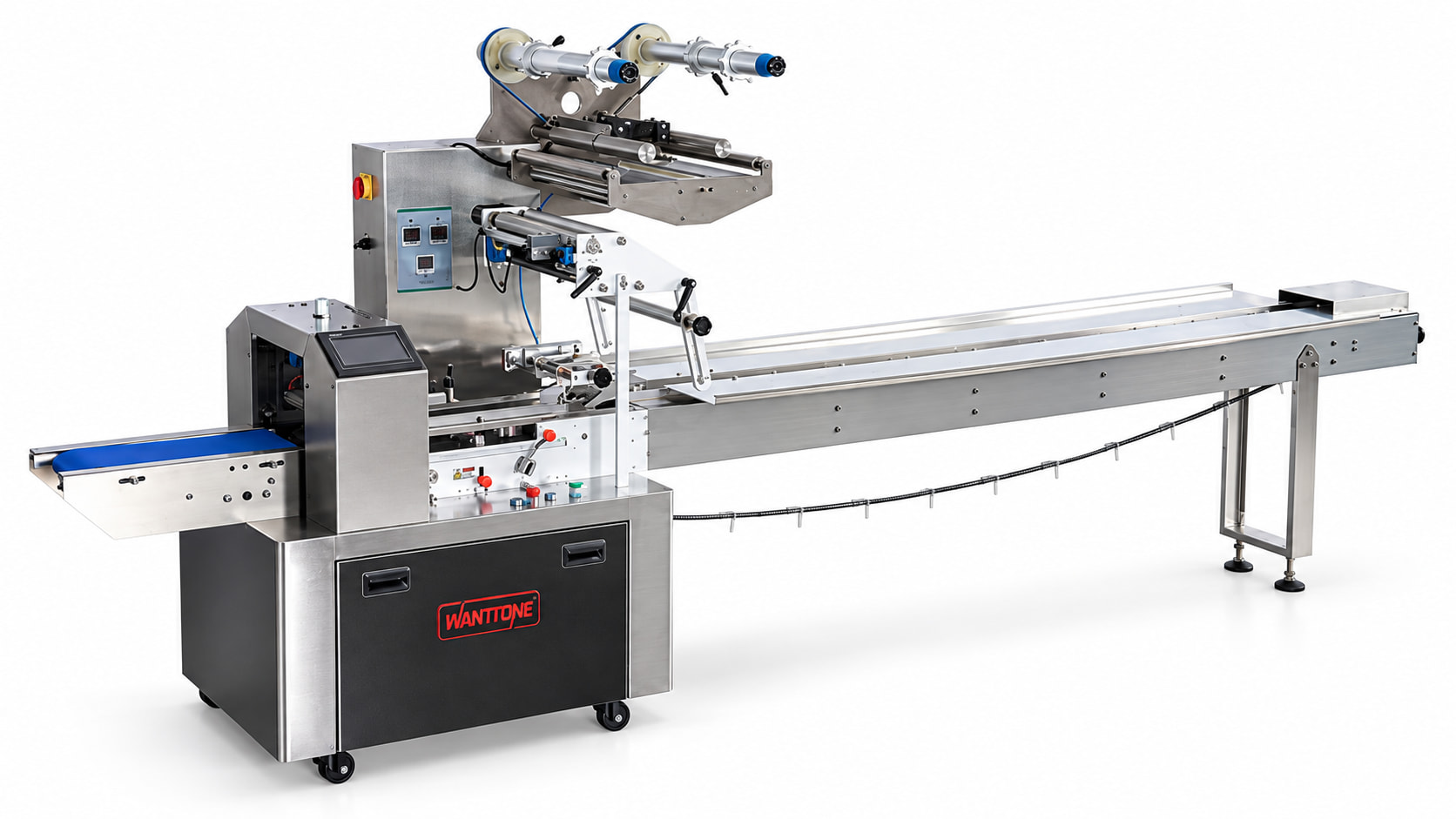
A flow packing machine — also known as a horizontal flow wrapper or pillow packing machine — wraps individual or grouped products in a continuous tube of heat-sealable film, forming a sealed pillow pack with a longitudinal fin seal and crimped end seals. The Wanttone flow packing machine wraps biscuits, cookies, crackers, cakes, and Swiss rolls at industrial speed with servo-driven precision, photo-eye registration for printed film, and multi-product collation options such as 2×2, 2×3, or 1×5 arrangements. For single-piece chocolate or biscuit products, an X-Fold fold-wrap variant delivers the classic envelope-style fold pack.

View Equipment
Reference illustration of On-Edge Packing Machine

On-Edge Packing Machine

An on-edge packing machine wraps biscuits standing upright on their edge — the classic slug or roll-pack format — forming a tight, protective pack that holds round, square, or rectangular biscuits in a neat column. The Wanttone on-edge packing machine receives pre-stacked biscuits directly from the biscuit stacker, wraps them in heat-sealable film, and seals the pack at 30–150 bags per minute. A dual-loader configuration with two feeding stations increases throughput and line efficiency, making it the standard choice for high-volume round-biscuit slug packaging.

View Equipment
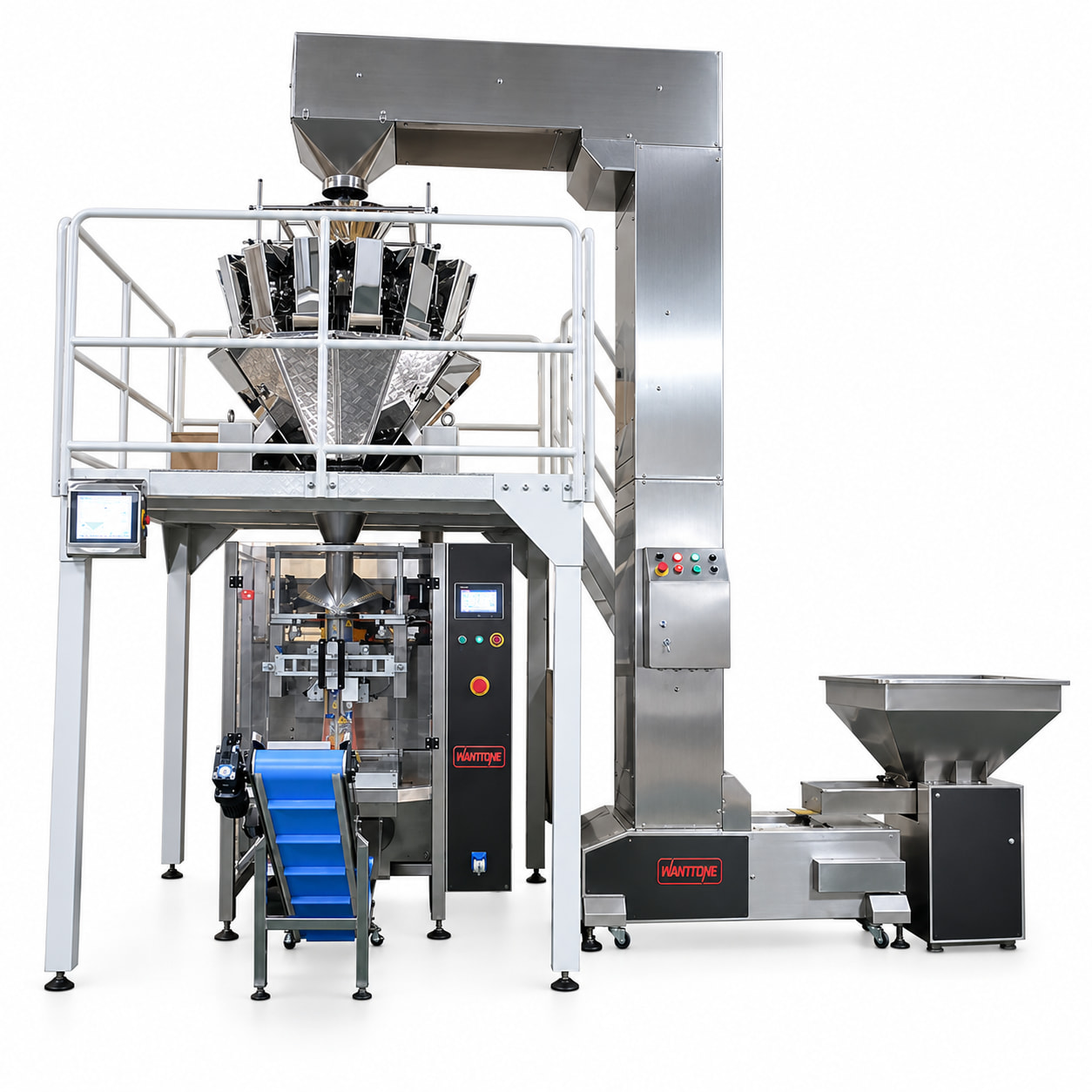
Reference illustration of Vertical Form Fill Seal (VFFS) Packing Machine

Vertical Form Fill Seal (VFFS) Packing Machine

A vertical form fill seal machine — VFFS — forms a bag from a flat roll of film around a forming tube, fills it with a metered product dose from above, and seals it, producing sealed pillow bags in one continuous automatic cycle. The Wanttone VFFS packing machine combines compact structure, stable performance, and easy operation at a reasonable price, packing granules, small pieces, and portioned products for the food, chemical, pharmaceutical, hardware, and daily-products industries. Delivered as part of a turnkey packing project, it comes with support from packet design and film sourcing through to complete automatic packing solutions.

View Equipment
Line Integration Review

Individual Machines, Reviewed as Part of the Whole Line.

A machine is specified around its real production duty and the equipment beside it—not as an isolated catalogue item.
Required Output

Capacity and line-speed match.

Transfer Height

Infeed and discharge datum.

Control Interfaces

Signals, PLC and safety logic.

Cleaning Access

Hygiene and service clearance.

Line Connections

Upstream and downstream handoff.