Metal Detector

A food metal detector is the critical food-safety checkpoint of a biscuit production line, continuously scanning dough or finished biscuits for ferrous and non-ferrous metal contamination and automatically rejecting any affected product before it reaches packaging and consumers.

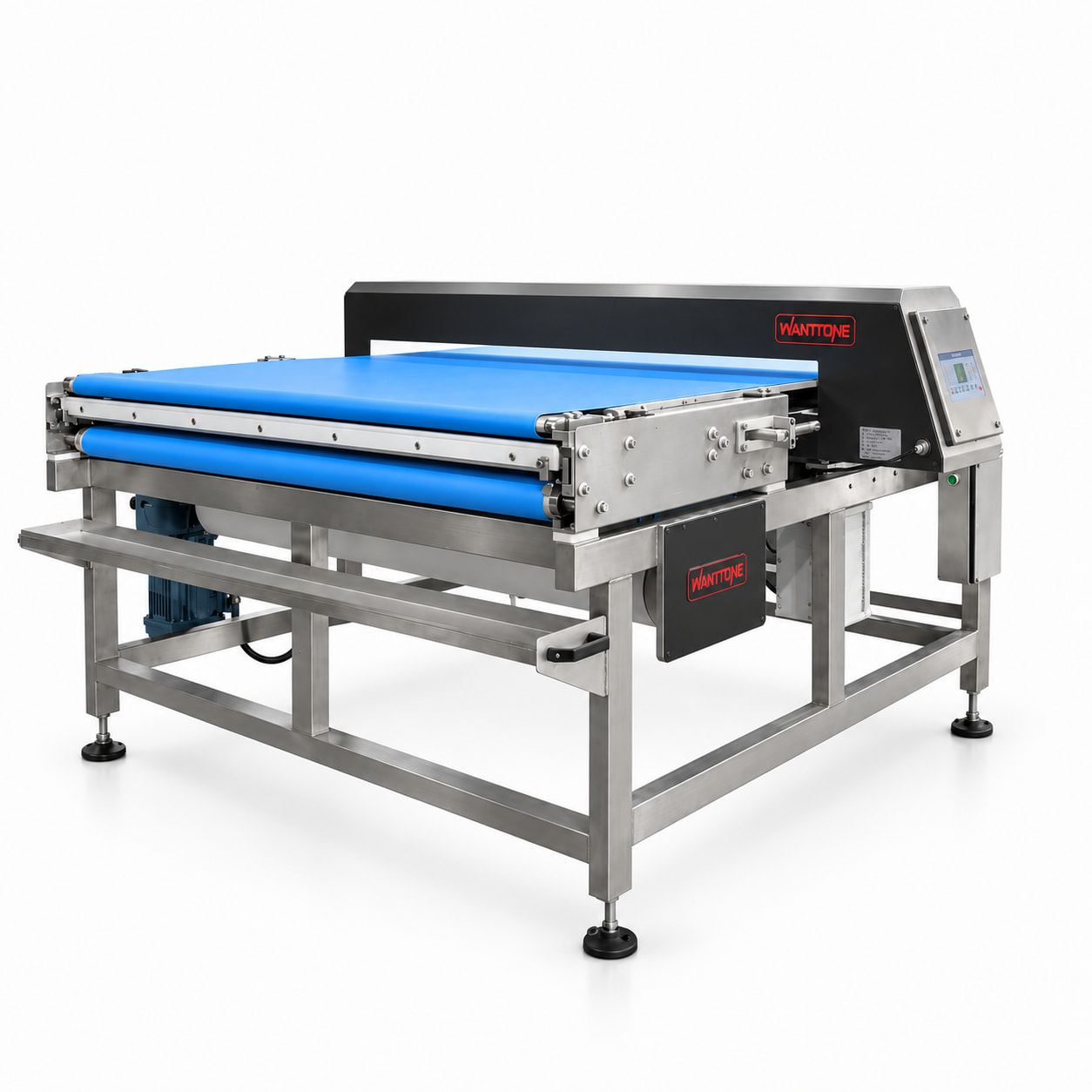
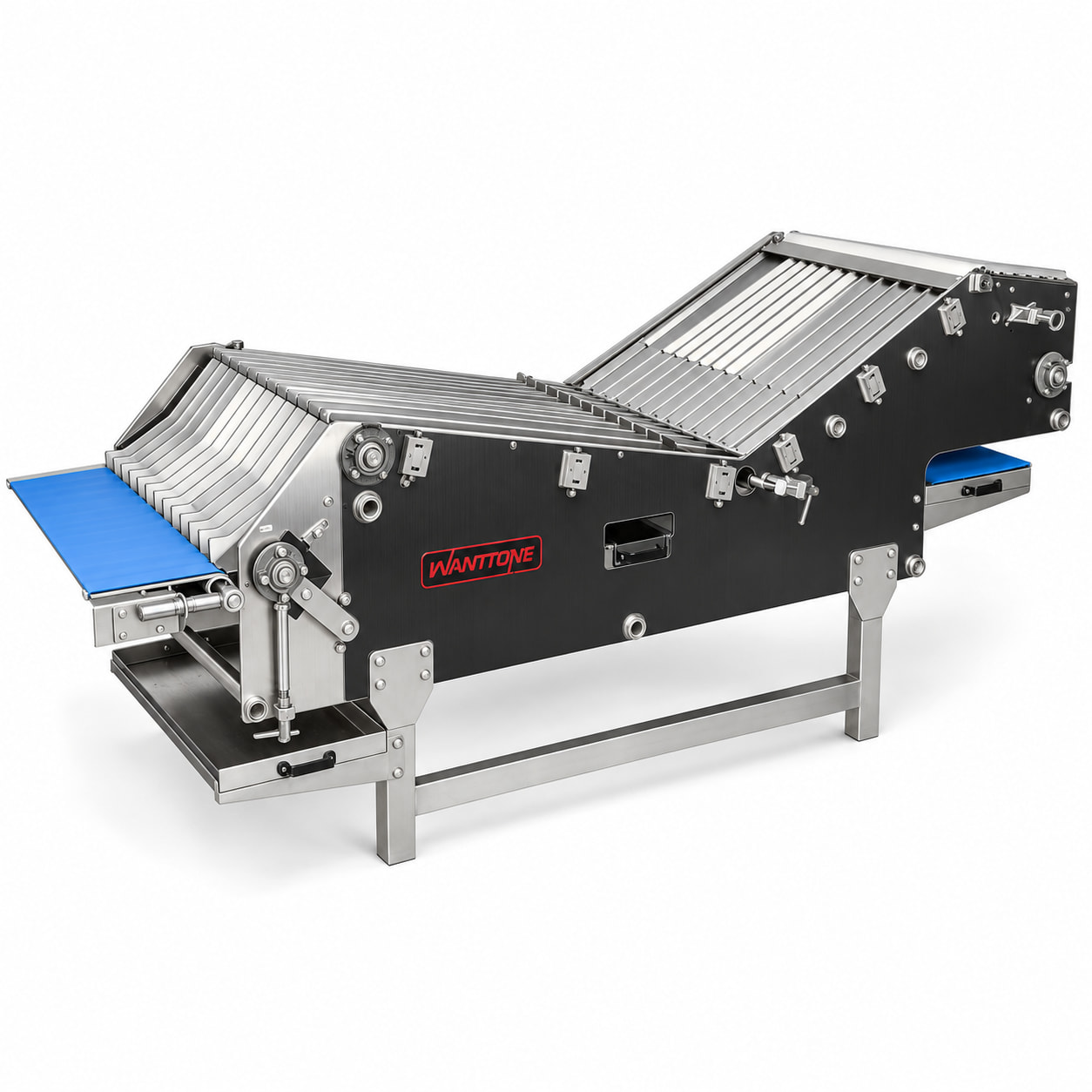
Reference illustration of Metal Detector

Product Overview

The Wanttone metal detector for biscuit lines detects metal particles down to 1 mm, combines a high-sensitivity detection head with a buzzer alarm and an automatic reject device, and runs on an imported food-grade PU belt conveyor — protecting your customers, your brand reputation, and your compliance with retailer and export food-safety audits.

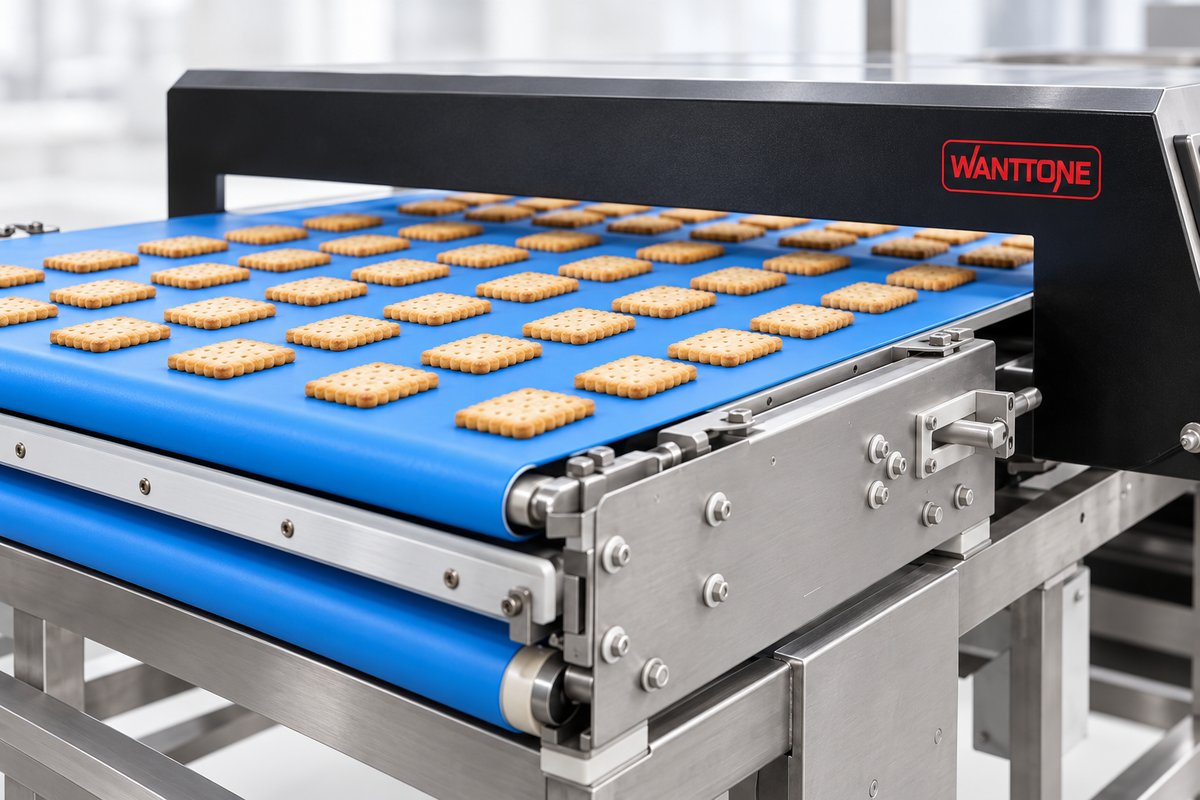
Baked biscuits travelling on the original blue conveyor through the metal-detector aperture

Capabilities & Applications

Key Features

  • High-Sensitivity Detection

    Reliably detects metal contaminants down to 1 mm in dough, biscuits, and other food products moving at full line speed.

  • Automatic Alarm & Reject

    When metal is detected, a buzzer sounds and the automatic drop/reject device removes the contaminated product immediately, with no line stoppage required.

  • Flexible Installation Points

    Mount over the dough feeding system to screen raw dough before forming, or install after cooling to inspect finished biscuits before packaging.

  • Food-Grade Conveyor Build

    An imported PU belt conveyor, chromed side plates, and stainless food-contact construction meet food-industry hygiene standards.

  • Stable, Adjustable Operation

    Inverter-controlled drive roller speed, emergency stop and limit switches, and quality electrical control apparatus ensure safe, dependable daily running.

  • Quality Component Set

    Pneumatic reject cylinders, motors, reducers, and control elements sourced from established international suppliers for reliability and easy spare-part access.

Applications

  • The metal detector serves two key positions on biscuit, cookie, and cracker lines: upstream, mounted on the dough feeding system to catch metal particles in mixed dough before forming and baking; and downstream, inspecting cooled finished biscuits immediately before packaging. It is equally applicable to other food lines. For exporters and private-label manufacturers, an in-line metal detection checkpoint is typically a mandatory requirement in customer HACCP plans and retailer standards.

A Defined Role in the Line

  1. Upstream Requirements

    Confirm the incoming material or product condition, target throughput, infeed height and available utilities.

  2. Core Machine Function

    Reliably detects metal contaminants down to 1 mm in dough, biscuits, and other food products moving at full line speed.

  3. Downstream Integration

    Match discharge height, line speed, control signals, guarding and cleaning access with the next operation.

Specifications & Configuration

Technical Parameters for Metal Detector
ItemSpecification
Minimum detectable particle1 mm (ferrous reference)
Alarm & rejectBuzzer siren + automatic drop/reject device
Conveyor beltImported food-grade PU belt
Installed power0.75 kW
Machine weightApprox. 1 t (per standard configuration)
Speed controlInverter-controlled drive roller
Safety devicesEmergency stop switch, limit switch
Working width600–1800 mm models (customizable)

Sensitivity figures depend on product effect, aperture size, and product type — contact us to confirm detection levels for your application.

The Wanttone Difference

Food safety is where equipment quality and manufacturing discipline matter most, and Wanttone brings both. Our ISO 9001 quality management governs material sourcing, production, and inspection on every machine we build — the same discipline that made us a trusted supplier for a military compressed-biscuit program and a long-term, award-winning production partner of one of China’s leading national biscuit brands. With 40+ years of biscuit line engineering, we don’t just supply a detector; we position it correctly in your process, integrate it with your conveyors and reject logic, and commission it on site with operator training. Lifetime after-sales service means your food-safety checkpoint stays calibrated, maintained, and audit-ready for the life of your line.

Frequently Asked Questions

What size of metal particle can the machine detect?

Under reference conditions the detector identifies metal particles down to 1 mm. Actual sensitivity in production depends on aperture size and the product effect of your biscuit or dough — we confirm achievable levels for your specific product.

Where in the line should the metal detector be installed?

Two common positions: on the dough feeding system to screen dough before forming, and after cooling to inspect finished biscuits before packaging. Many plants use both for maximum protection.

What happens when metal is detected?

A buzzer alarm sounds and the automatic reject device removes the contaminated product from the line immediately, so production continues without a full stop.

Does the detector meet export-market food safety expectations?

In-line metal detection is a standard requirement in HACCP-based food safety systems and retailer audit schemes. We help you select detection levels and documentation practices suited to your target markets.

Can it be integrated into my existing line?

Yes. We match belt width, conveyor height, and line speed, and integrate the reject mechanism with your conveyor layout — on new Wanttone lines or existing third-party equipment.