What biscuit types is a three-roll dough sheeter used for?+
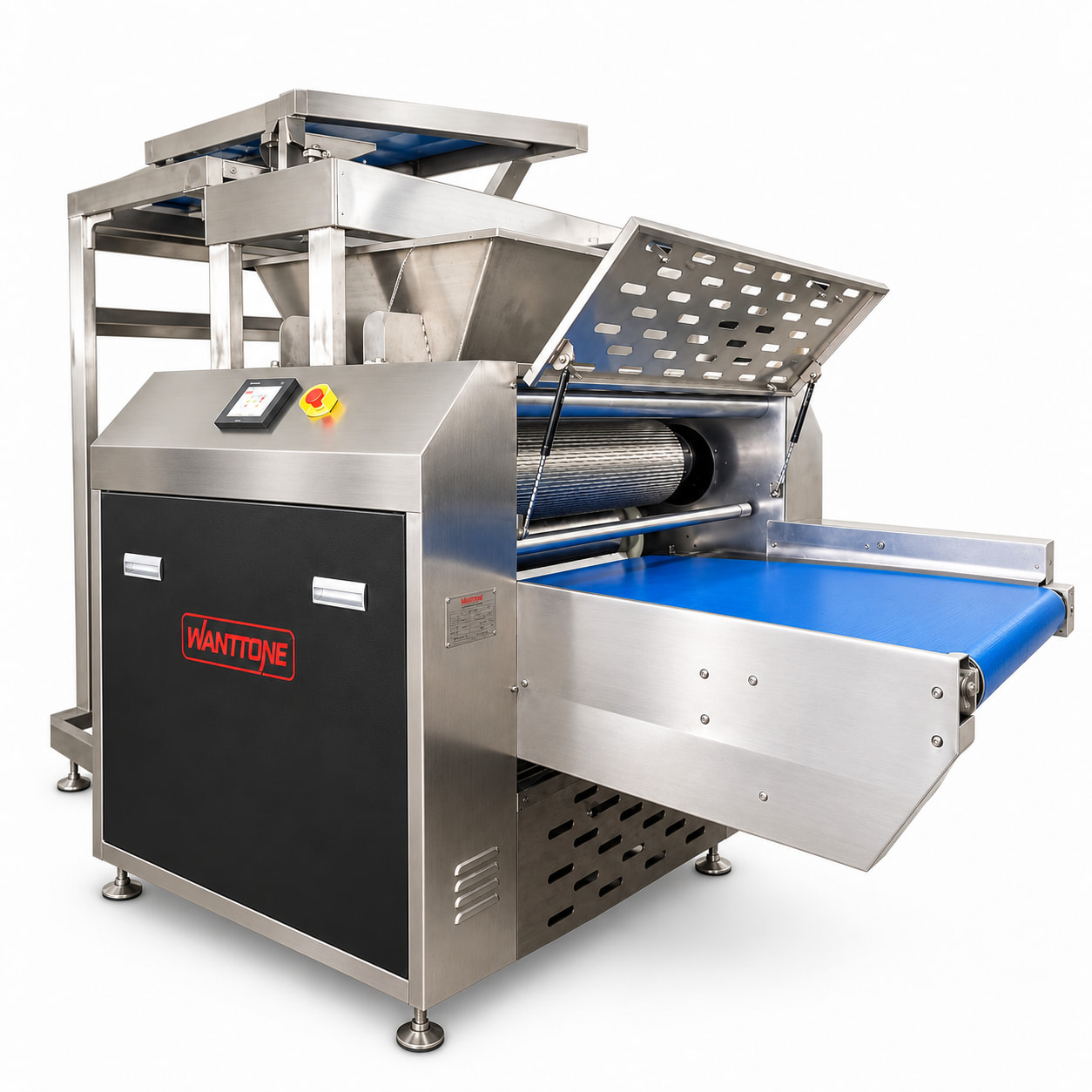
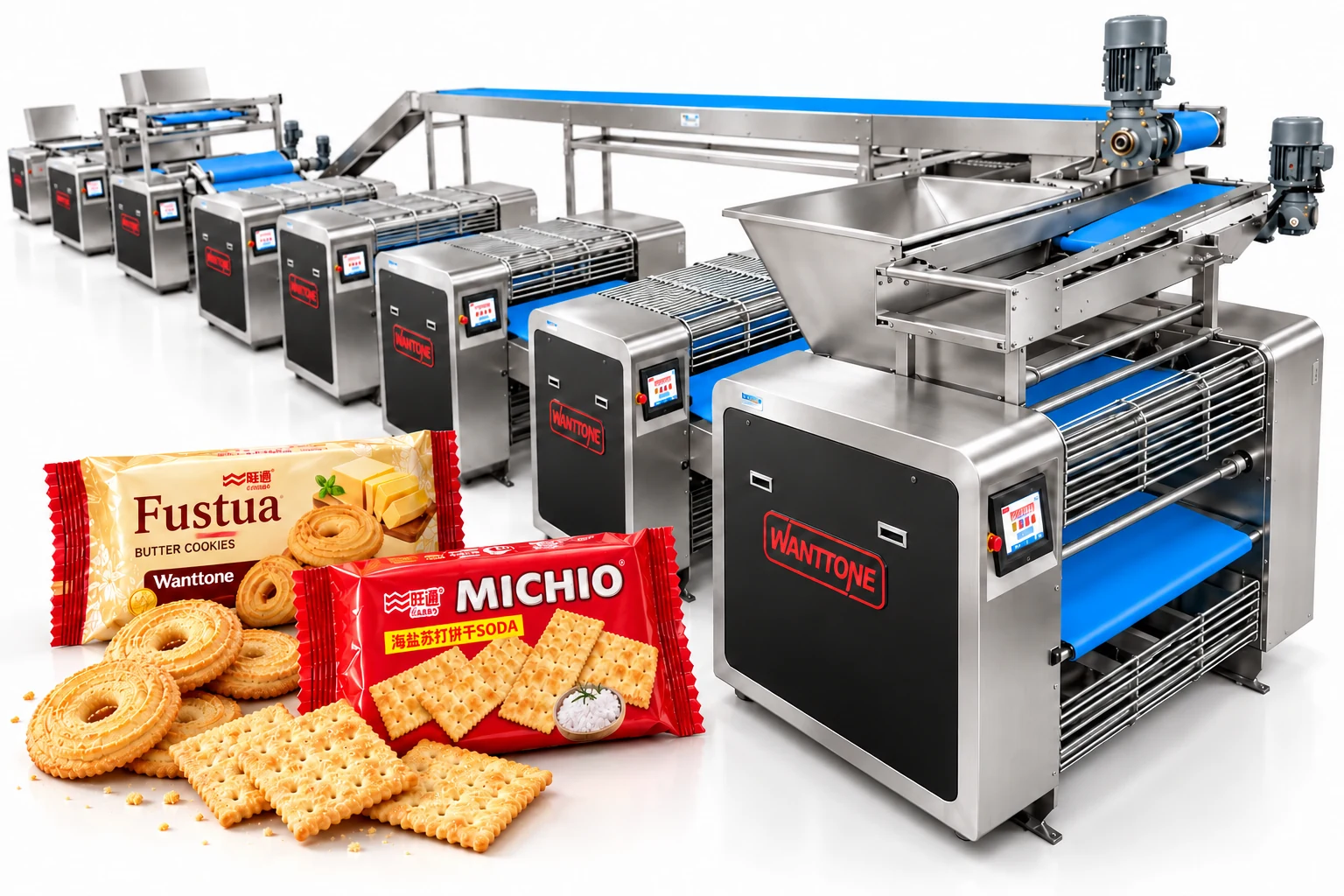
It is primarily used for hard, tough-dough products: soda crackers, Marie biscuits, hard sweet biscuits, and thin crispy biscuits. Soft, high-fat doughs are normally formed directly by a rotary moulder instead.
How is dough relaxation arranged in a sheeting line?+
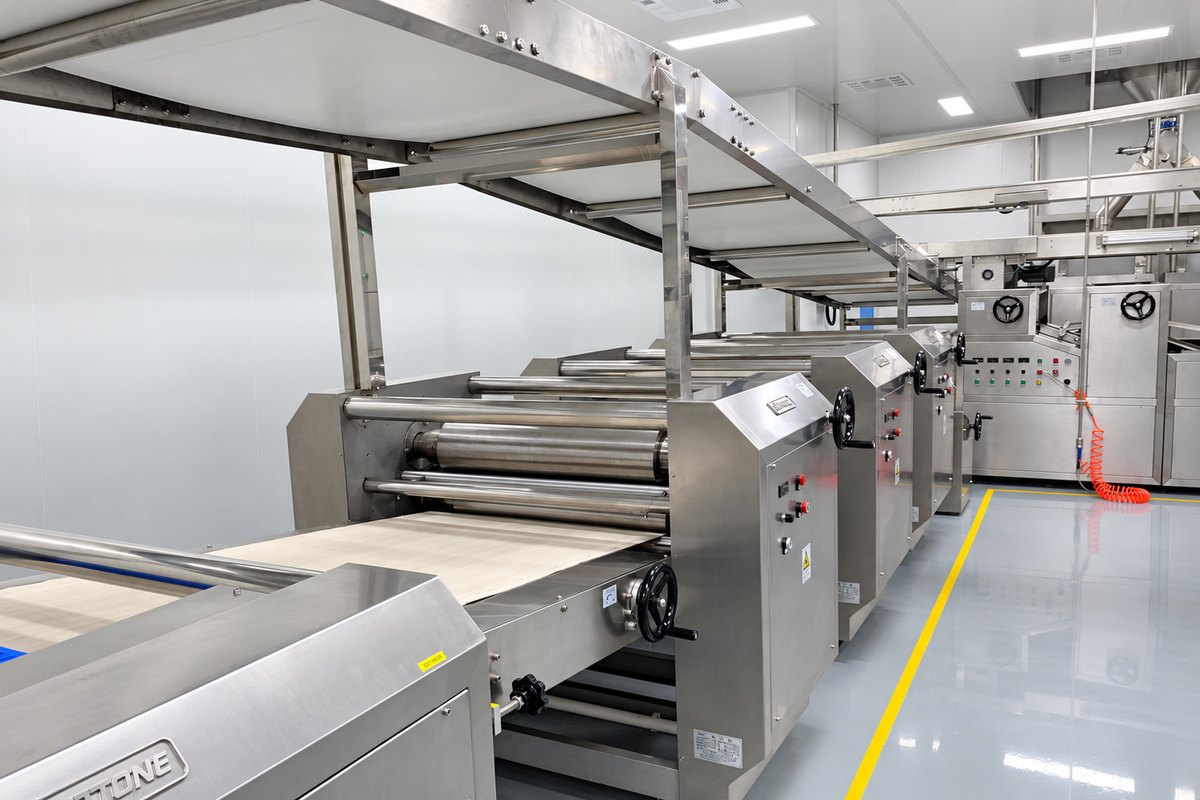
Relaxation is planned within the sheeting and gauging route to help manage dough stress before cutting. The required arrangement depends on the recipe, reduction stages and product trials.
How is the primary sheet thickness selected?+
It is set around dough consistency, the incoming feed and the reduction required downstream. Gauge rolls then bring the sheet to the cutting thickness; final settings are confirmed by product trials.
What is the difference between a three-roll sheeter and a gauge roll?+
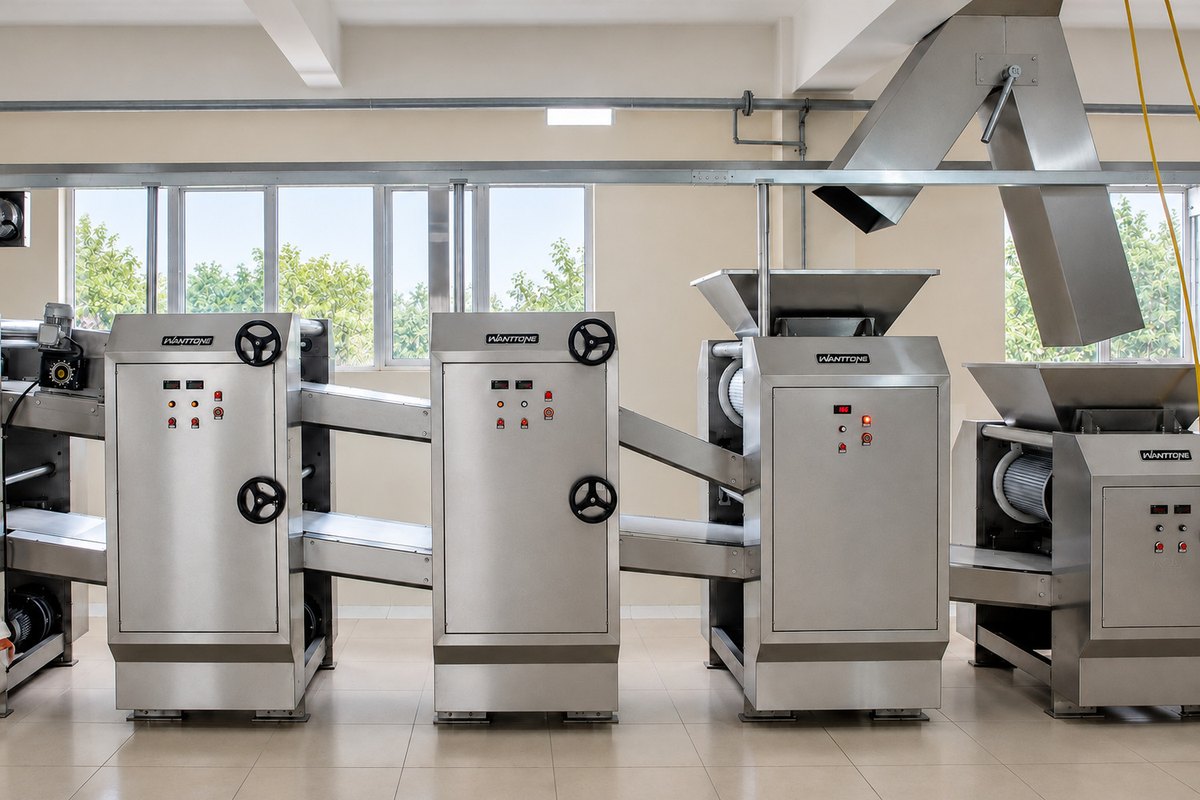
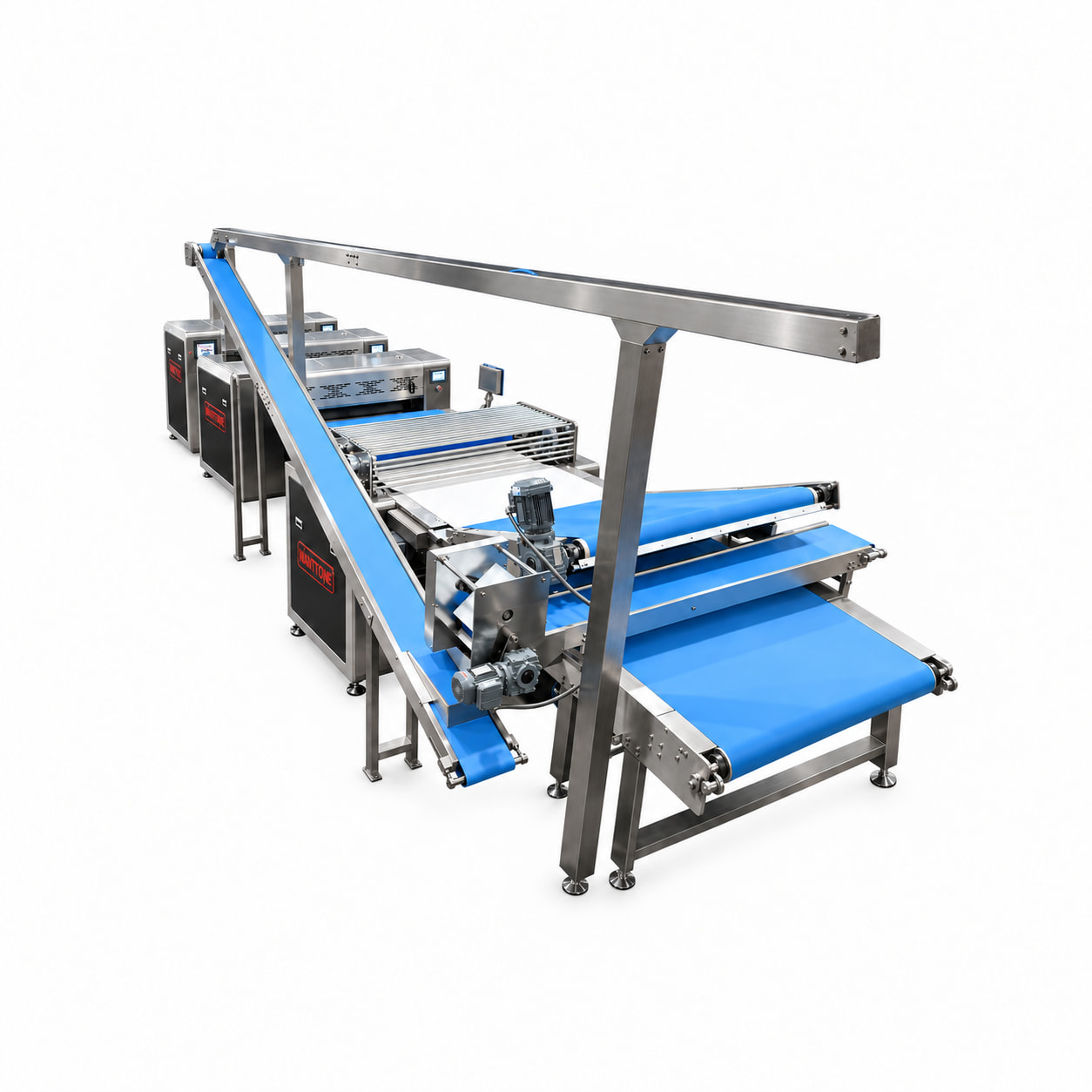
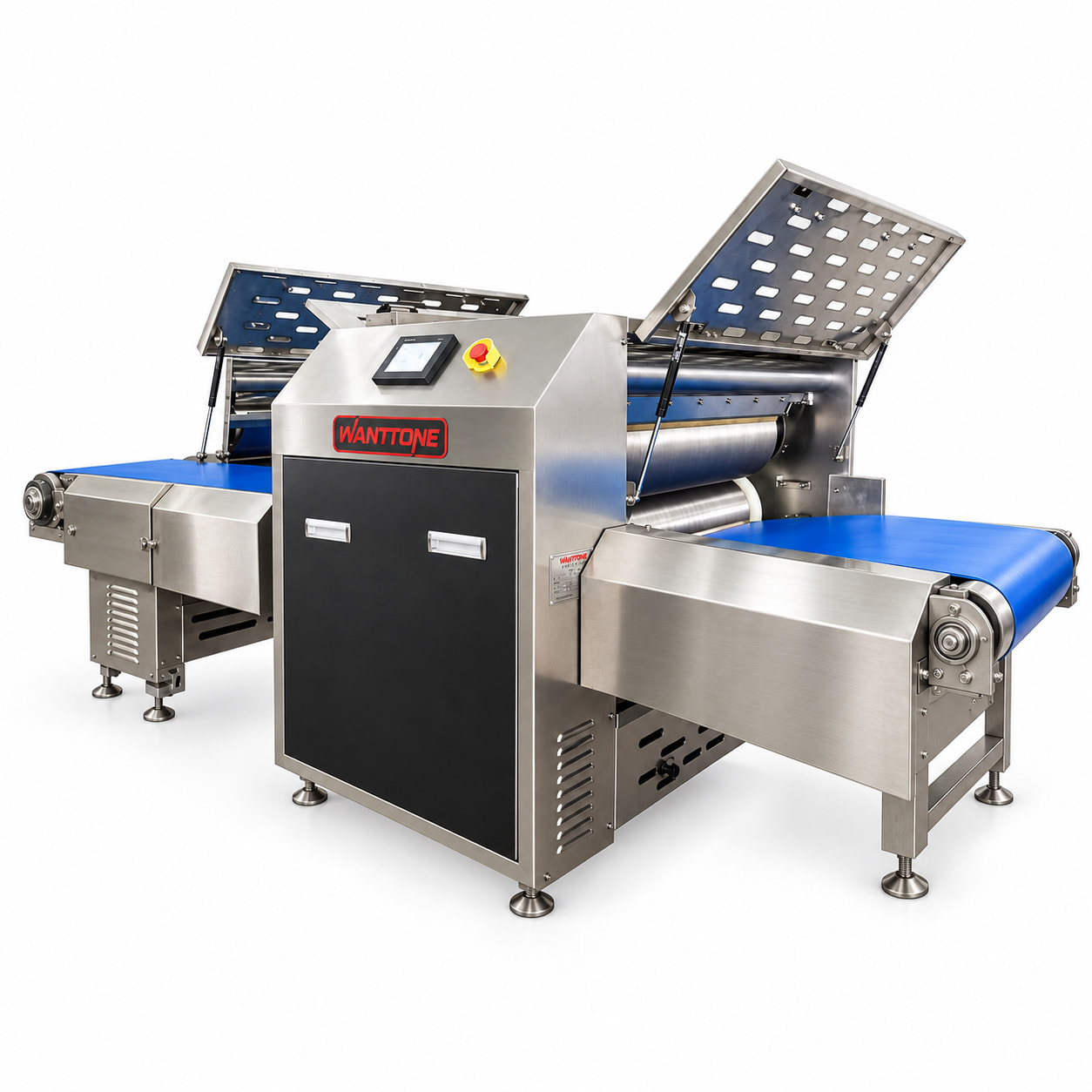
The three-roll sheeter performs primary sheeting — turning bulk dough into a continuous sheet. Gauge rolls then reduce that sheet in controlled steps to the final thickness before cutting. Both work together in a hard biscuit line.
Can this sheeter be integrated into my existing production line?+
Yes. Widths, discharge heights, and control interfaces are customizable to match your current laminator, gauge rolls, or rotary cutter. Our engineers provide layout drawings and on-site commissioning.
Ready to Stabilize Your Dough Sheeting?+
Get a sheeter specification matched to your capacity and dough recipe. Contact our engineering team at ricky@wanttone.com or WhatsApp (86)13926311528 for a quotation, layout proposal, and reference videos from running lines.