Biscuit Forming Molds (Plastic & Copper)

Wanttone supplies custom biscuit forming molds in two proven materials — food-grade plastic and copper — for rotary cutters and rotary moulders across all biscuit types.

Reference illustration of Biscuit Forming Molds (Plastic & Copper)

Product Overview

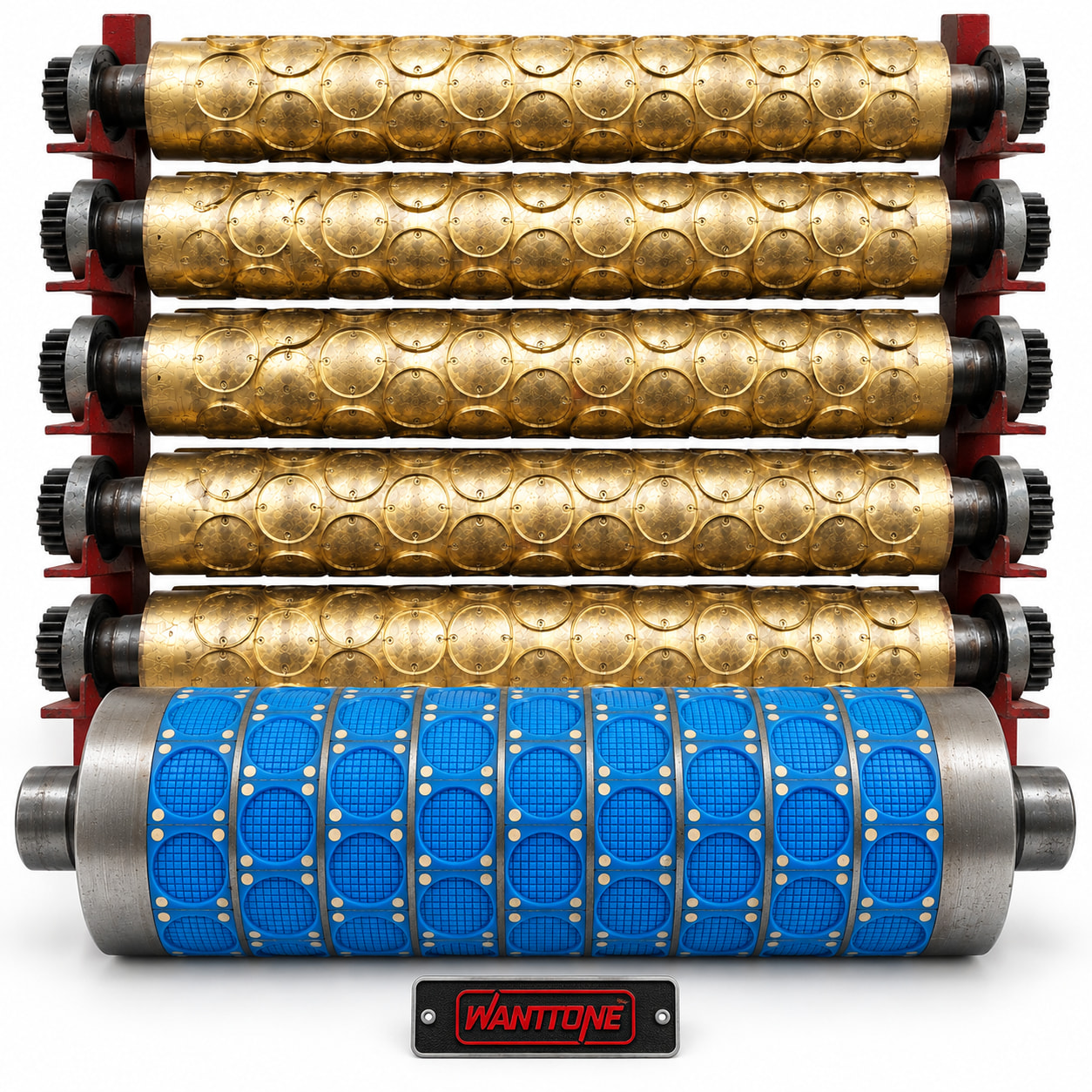
Plastic molds are lightweight, economical, and ideal for lines with frequent product changeovers; copper molds deliver superior forming precision, uniform biscuit edges, and long service life in high-volume continuous production. Simply provide your shape design, dimensions, material preference, and production requirements, and our team engineers the mold to your machine and dough. Because Wanttone operates its own biscuit factory, every mold design is validated under real forming conditions before it reaches your line.

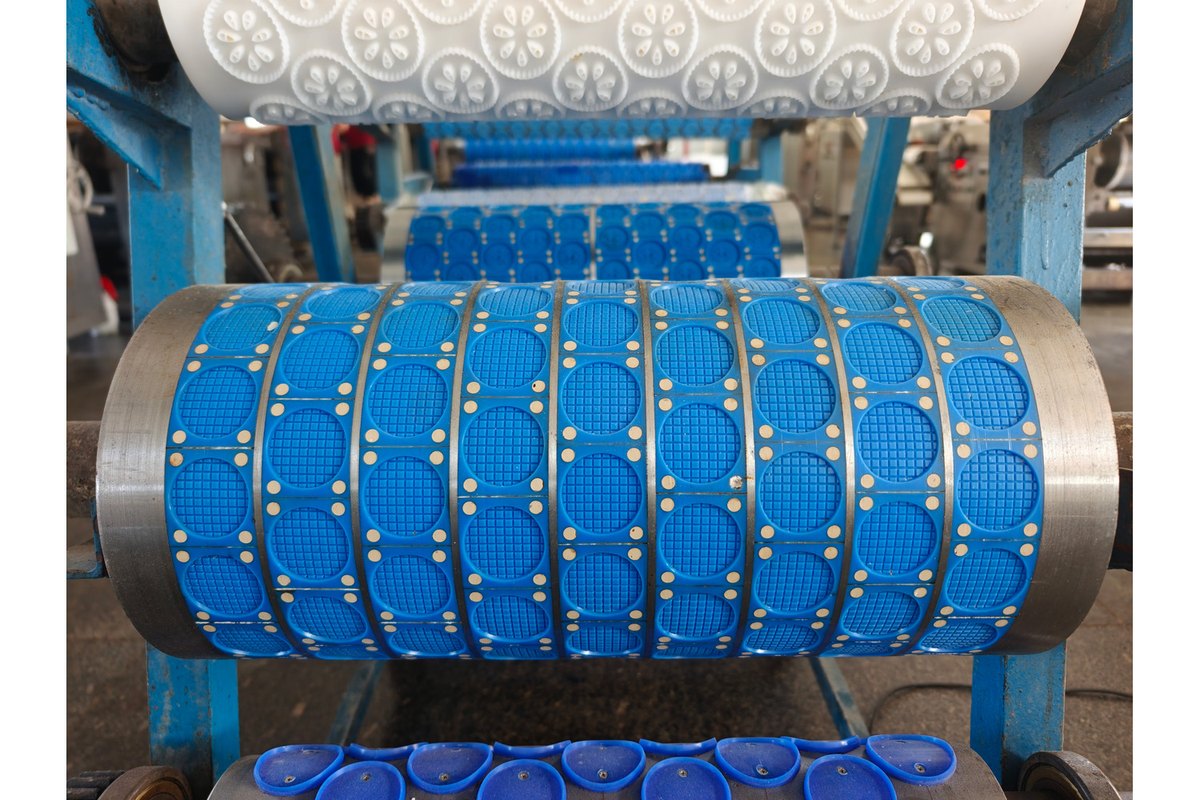
Original workshop photograph of blue plastic biscuit mould cavities mounted around a roller
Plastic mould cavities and roller assembly
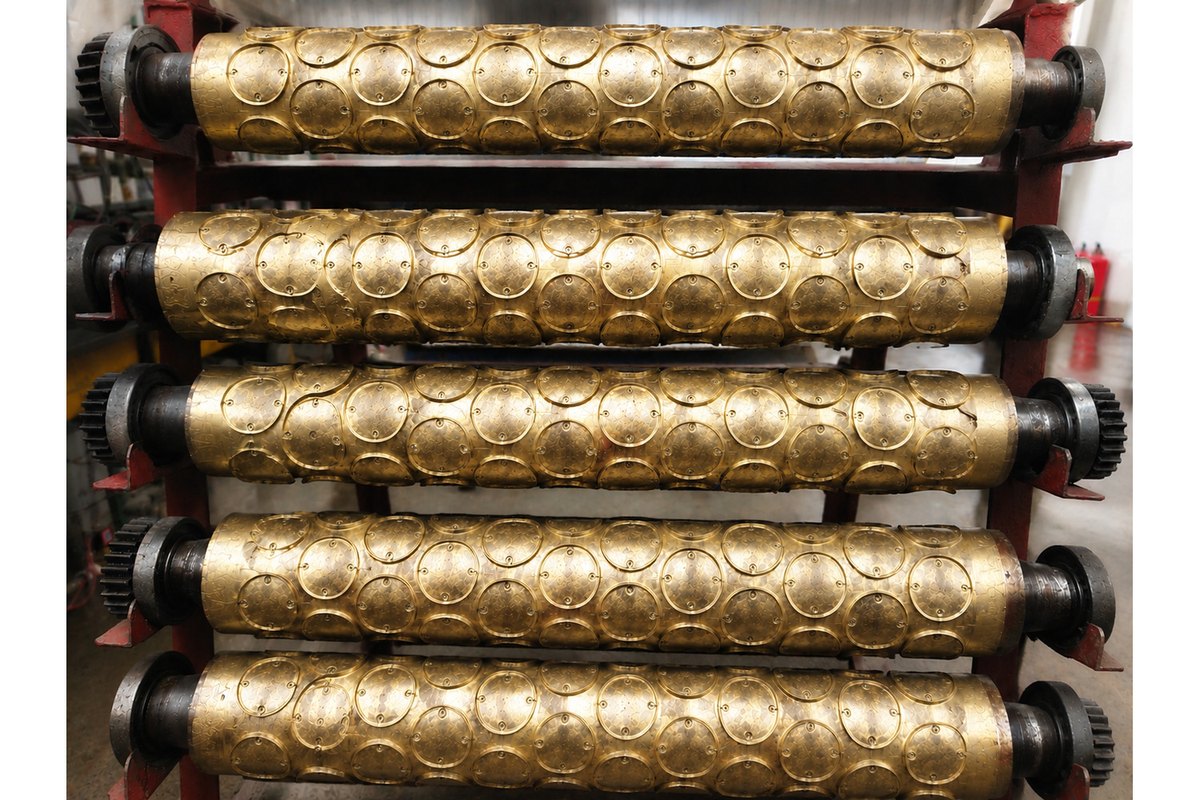
Original workshop photograph showing five copper biscuit mould rollers and their existing engraved patterns
Copper mould rollers in the workshop

Capabilities & Applications

Key Features

  • Two Materials for Every Production Strategy

    Food-grade plastic for light weight, low cost, and fast changeovers; copper for maximum precision, crisp edges, and long mold life in continuous operation.

  • Full OEM Customization

    Any outline, surface pattern, docker arrangement, or company logo, engineered from your drawing or sample; we also assist with shape design from scratch.

  • Crisp, Uniform Forming Results

    Precision machining ensures clean release, sharp detail, and uniform edges, so every biscuit carries a consistent shape and branding.

  • Fast Mold Changeover

    Plastic molds in particular can be swapped quickly, letting multi-product lines change shape with minimal downtime.

  • Machine-Matched Engineering

    Molds are dimensioned to your rotary cutter or moulder — roller diameter, working width, and cavity layout — for drop-in compatibility with Wanttone and third-party machines.

  • Validated in Real Production

    Designs are tested against actual dough behavior in our own plant, reducing trial-and-error at your site and shortening time to stable output.

Applications

  • Forming molds and engraved rollers are consumable tooling for rotary cutters (hard biscuits, soda crackers, dockered products) and rotary moulders (soft biscuits, shortbread, pet biscuits). They serve new product launches, seasonal shapes, private-label programs, and routine replacement of worn tooling on any biscuit line.

A Defined Role in the Line

  1. Upstream Requirements

    Confirm the incoming material or product condition, target throughput, infeed height and available utilities.

  2. Core Machine Function

    Food-grade plastic for light weight, low cost, and fast changeovers; copper for maximum precision, crisp edges, and long mold life in continuous operation.

  3. Downstream Integration

    Match discharge height, line speed, control signals, guarding and cleaning access with the next operation.

Specifications & Configuration

Technical Parameters for Biscuit Forming Molds (Plastic & Copper)
ItemPlastic MoldCopper Mold
MaterialFood-grade engineering plasticCopper alloy, precision machined
Weight / HandlingLightweight, easy to changeHeavier, robust for continuous runs
Forming PrecisionGood, cost-effectiveHigh precision, uniform biscuit edges
Service LifeMedium; economical to replaceExcellent, long service life
Best ForSmall-to-medium batches, frequent mold changesLarge-scale continuous production
CustomizationShape, dimensions, logo per orderShape, dimensions, logo per order

All molds made to order: provide shape design, dimensions, material, and production requirements.

The Wanttone Difference

Few mold suppliers can test their tooling the way Wanttone can. As a biscuit machinery builder that also operates its own commercial biscuit factory — producing our own brand and OEM volumes for partners such as Jiashili Group — we prove mold geometry, release behavior, and edge definition on running lines before shipment. This dual capability, built on more than 40 years since the 1981 Yangjiang Biscuit Equipment General Factory, means you get tooling that works from the first shift, not after weeks of adjustment. ISO 9001 quality control governs material selection and machining accuracy, and our Foodstuff Machinery Research Institute supports shape optimization for baking performance. One purchase order covers mold design, trials, machine matching, and ongoing tooling support — with lifetime service behind it.

Frequently Asked Questions

Should I choose plastic or copper molds?

Choose plastic if you run many different products with frequent changeovers and want low tooling cost. Choose copper for high-volume, long-run production where forming precision and mold life justify the investment. Many factories use both.

What information do you need to make a custom mold?

A shape drawing or physical sample, target biscuit dimensions and weight, your machine model (rotary cutter or moulder, roller diameter and width), and your dough type. We handle the engineering from there.

Can you engrave our logo onto the mold?

Yes. Logos, patterns, and docker pin layouts are machined directly into the mold or cutting roller, so branding is formed into every biscuit automatically.

Will your molds fit non-Wanttone machines?

Yes. Provide the machine’s roller dimensions and mounting specifications, and we manufacture molds to fit third-party rotary cutters and moulders as well.

What is the typical lead time for a custom mold?

Lead time depends on complexity and quantity; standard custom molds are produced quickly, and we confirm the schedule with your quotation. Repeat orders of proven designs ship faster.