Rotary Moulder

The Wanttone rotary moulder is the forming station for soft biscuits — high-fat, short doughs that cannot be sheeted and cut.

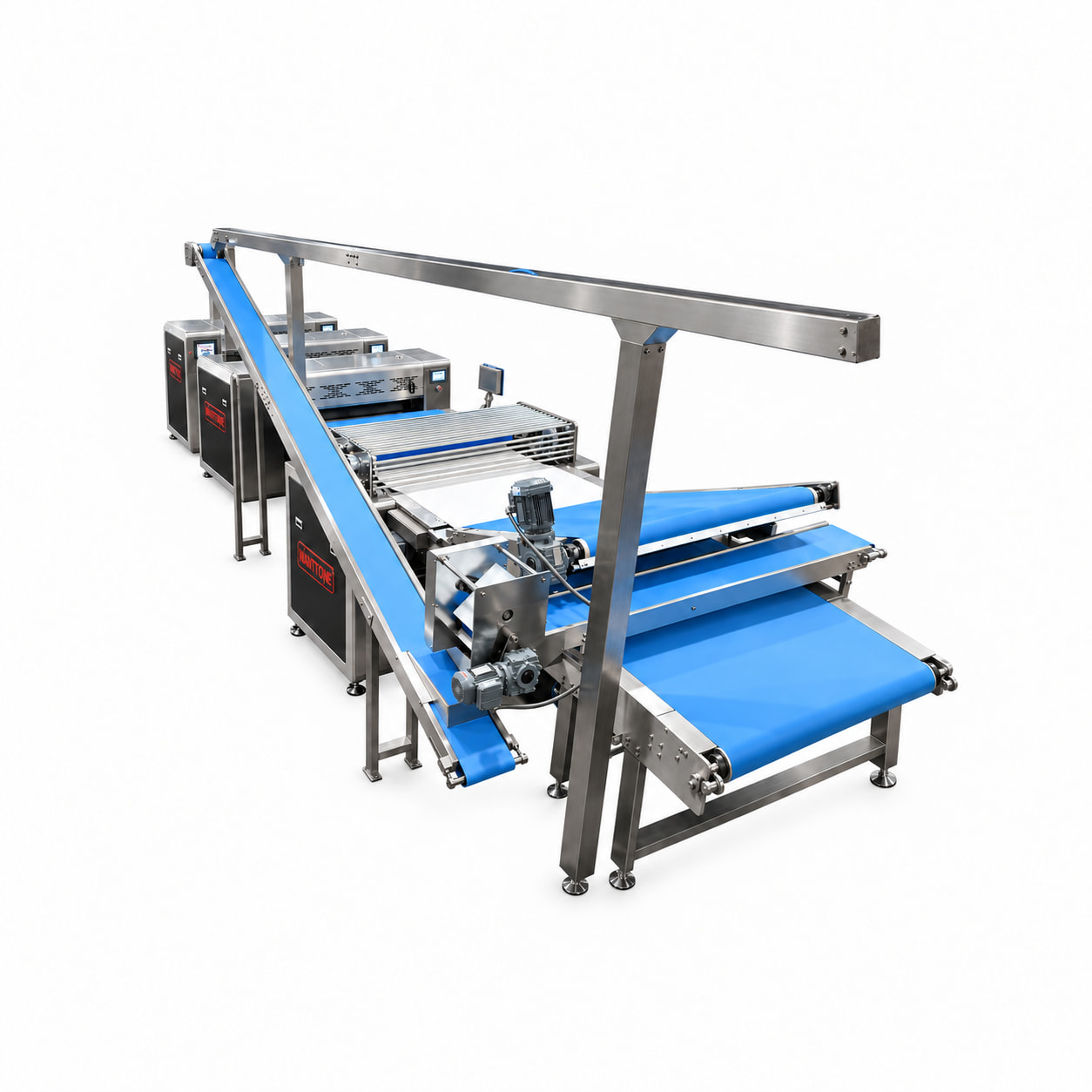
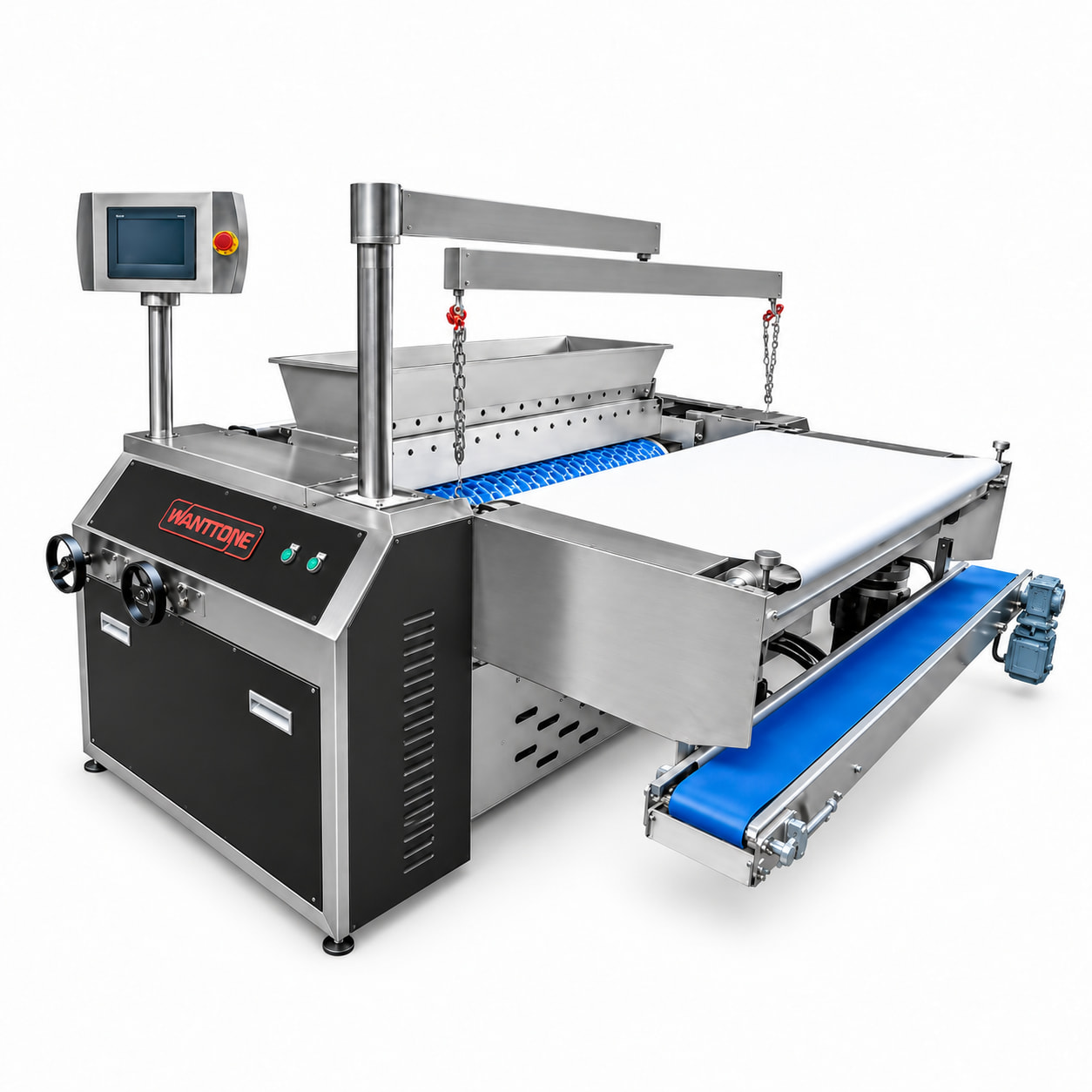
Reference illustration of Rotary Moulder

Product Overview

Dough is pressed from the hopper into engraved cavities on the moulding roller, taking on the biscuit’s final shape, surface pattern, and even company logo, then released cleanly onto the conveyor belt toward the oven. Because each cavity meters an exact dough volume, the rotary moulder delivers outstanding piece-weight consistency and appearance at high output, with virtually zero scrap. It is the standard forming solution for soft biscuits, shortbread, and pet biscuits in capacities from compact lines to full industrial plants.

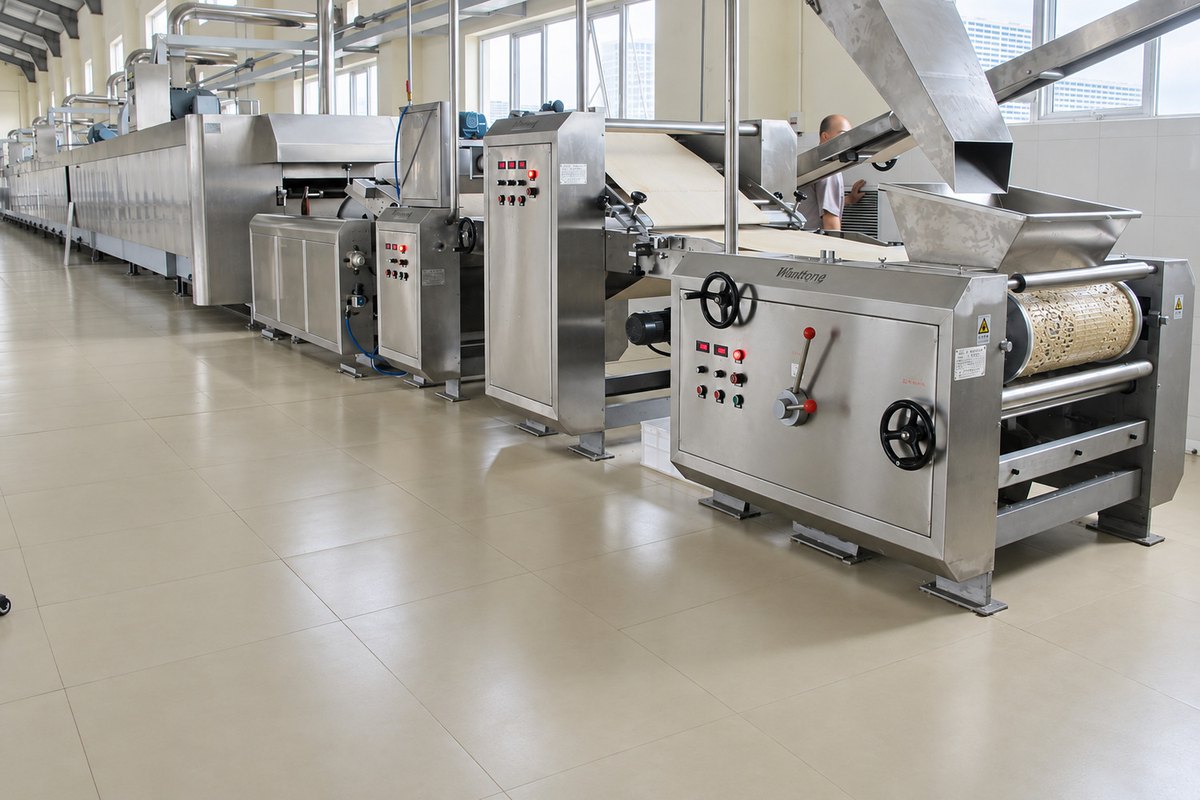
Rotary moulding equipment for shaped biscuits
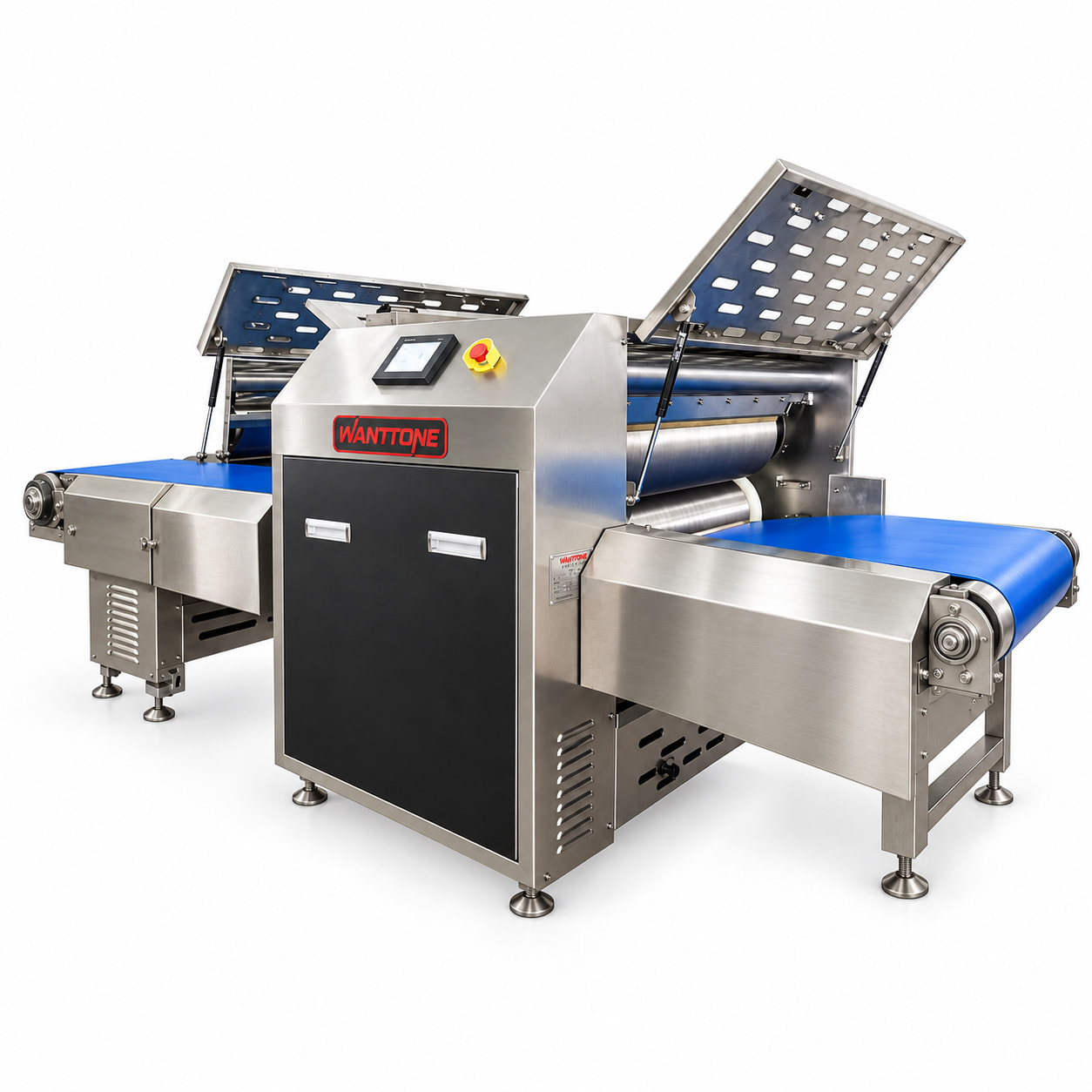
Rotary moulder
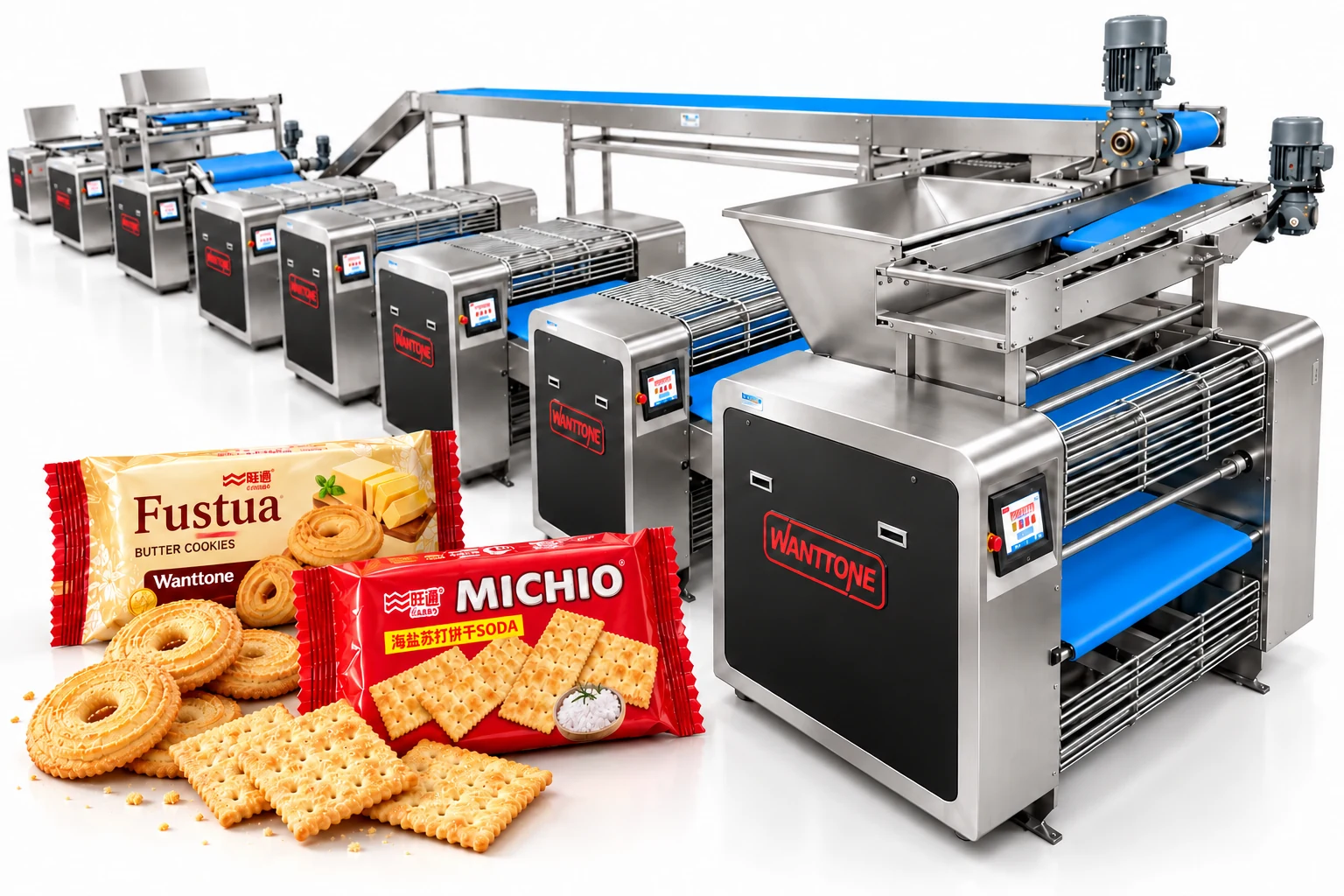
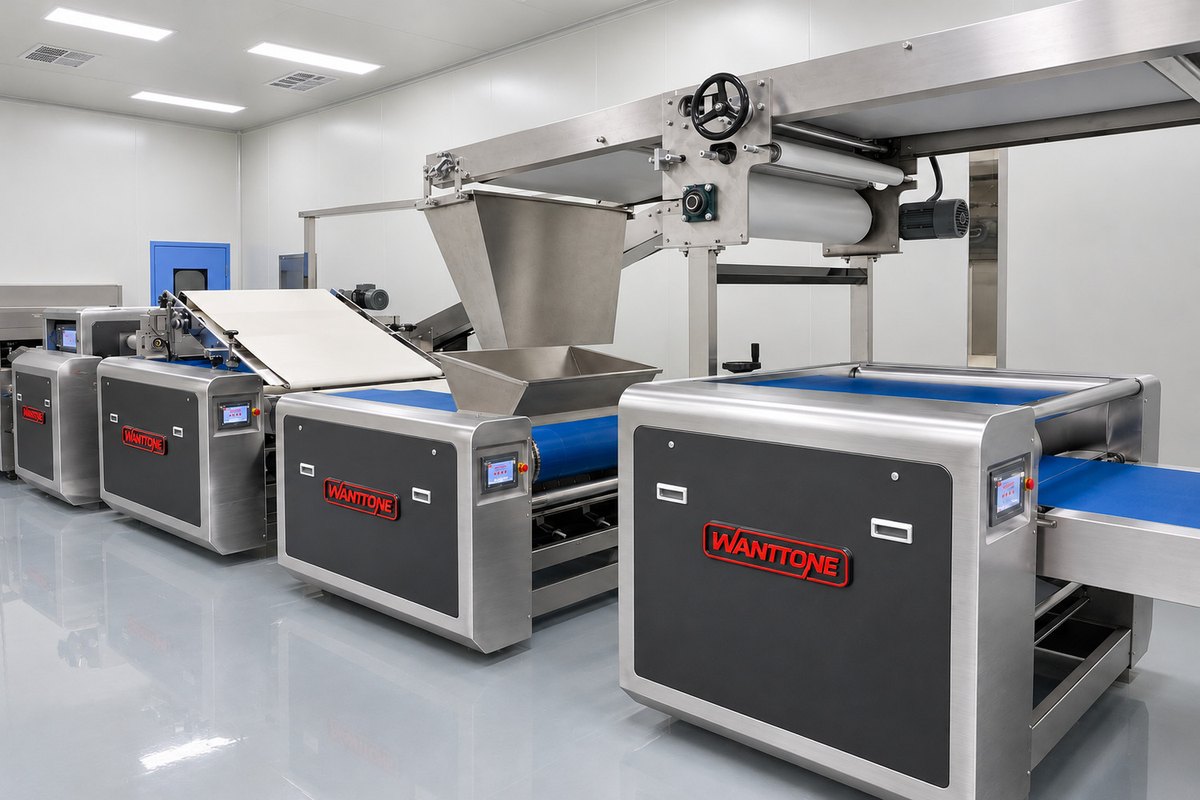
Dough feed and rotary moulding equipment in a biscuit line
Rotary moulding section

Capabilities & Applications

Key Features

  • Perfect Weight & Shape Consistency

    Engraved moulding cavities meter each piece individually, holding weight deviation and appearance uniform across the entire belt width.

  • Sharp Pattern & Logo Definition

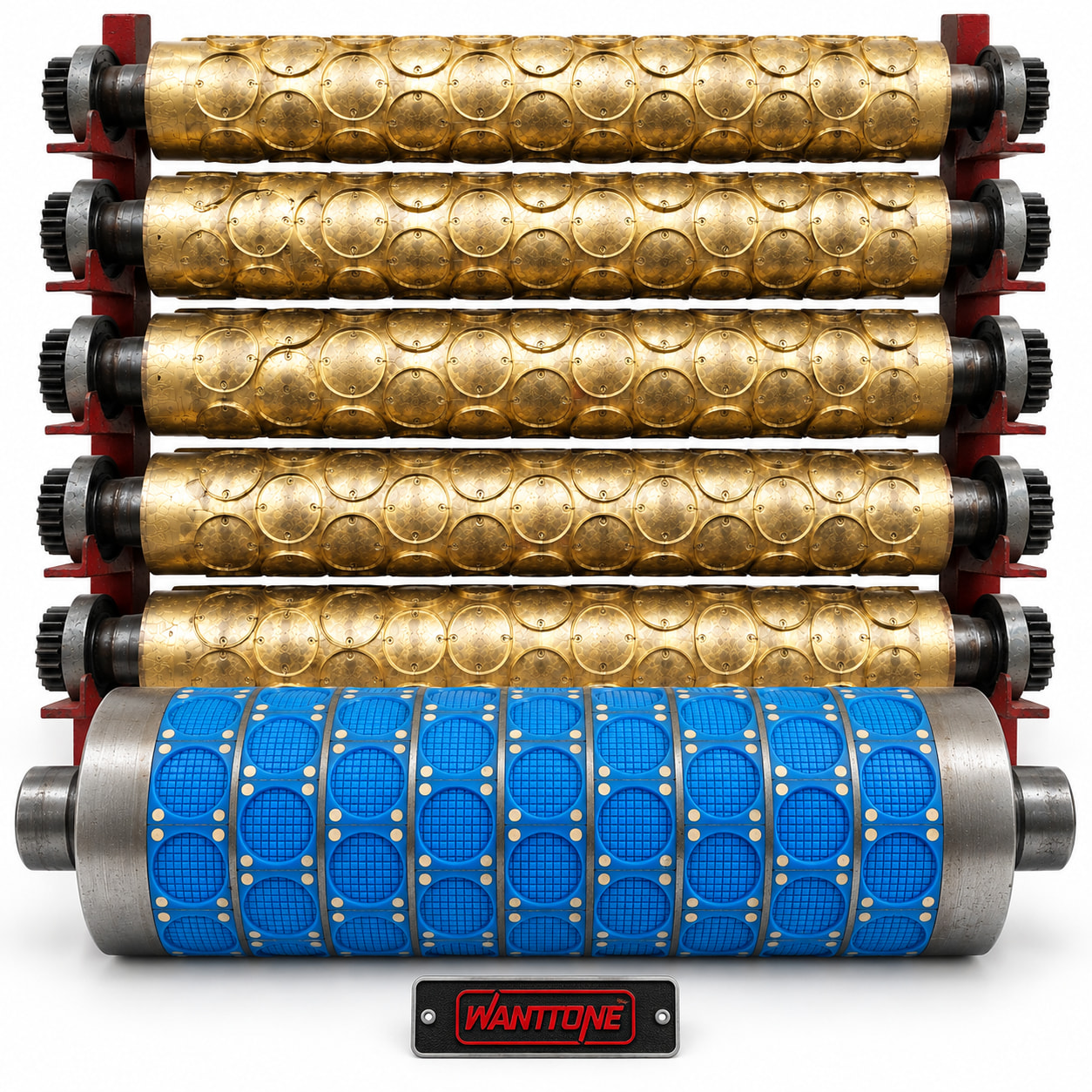
    Precision-machined moulding rollers reproduce fine surface patterns and brand logos that bake out crisp and clear — a proven way to build product identity.

  • Gentle, Scrap-Free Forming

    Soft dough is moulded and extracted without cutting, so there is no trim web and no recycling loop; nearly 100% of mixed dough becomes saleable product.

  • Independent Servo-Grade Drives

    The moulding roller, feed roller, and conveyor belt each run on independent motors with frequency conversion for easy, precise synchronization.

  • Sensor-Based Pressure Control

    Pressure between moulding and rubber rollers is motor-adjusted and monitored by a displacement sensor with a digital display; the scraper is cam-adjusted for clean release.

  • Food-Safe, Built to Last

    Mould roller body in 45# carbon steel; rubber rollers use non-toxic, oil-resistant rubber; 304 stainless-steel pallets and 1.5 mm 304 enclosures meet modern hygiene standards.

Applications

  • The rotary moulder follows the dough mixer and feeding system in soft biscuit, shortbread, butter biscuit, and pet biscuit lines, discharging formed pieces directly onto the oven feed band. It handles high-fat, crumbly, and sugar-rich doughs and supports fast shape changeovers by swapping the moulding roller.

A Defined Role in the Line

  1. Upstream Requirements

    Confirm the incoming material or product condition, target throughput, infeed height and available utilities.

  2. Core Machine Function

    Engraved moulding cavities meter each piece individually, holding weight deviation and appearance uniform across the entire belt width.

  3. Downstream Integration

    Match discharge height, line speed, control signals, guarding and cleaning access with the next operation.

Specifications & Configuration

Technical Parameters for Rotary Moulder
ConfigurationWorking WidthMould RollerDimensions (L×W×H)Power
Configuration 11000 mmØ248 mm, custom engraved1700×1930×1325 mm4–14 kW
Configuration 21200 mmØ248 mm, custom engraved1700×2130×1325 mm4–14 kW

Rubber pressure roller Ø255 mm, 20 mm food-grade coating; special rotary moulder conveyor belt; output 100–3000 kg/h depending on line and biscuit size.

The Wanttone Difference

Wanttone runs rotary moulders in its own biscuit plant — producing soft biscuits and shortbread for our own brand and for long-term OEM partners such as Jiashili Group, which has repeatedly awarded us its “Best Partner” medal. That means the moulding roller you order is backed by daily, commercial-scale proof of release behavior, pattern definition, and weight accuracy. From the 1981 Yangjiang factory to today’s ISO 9001-certified operation with its own Foodstuff Machinery Research Institute, we combine machine building with genuine biscuit-making expertise: we help you design the shape, engrave the roller, trial your dough, commission the line, and train your team — with lifetime after-sales support behind every machine.

Frequently Asked Questions

Which doughs are suitable for a rotary moulder?

Soft, short, high-fat doughs: soft biscuits, shortbread, butter biscuits, and pet biscuit formulations. Tough, elastic doughs for hard biscuits and crackers should be formed by sheeting and rotary cutting instead.

Can the moulding roller carry my logo and custom pattern?

Yes. Rollers are engraved to your artwork — shape outline, surface pattern, and logo. We can produce multiple rollers per machine for quick product changeovers.

How consistent is piece weight?

Because each cavity meters a fixed dough volume, weight consistency is excellent across the belt; final uniformity depends on dough consistency and feed settings, which our engineers help optimize at commissioning.

Does the rotary moulder produce dough scrap?

Virtually none. Moulding forms each piece directly without cutting a web, so material utilization approaches 100% — a major cost advantage versus cutting processes.

What output can a rotary moulder achieve?

Depending on belt width, biscuit size, and oven length, lines typically run from around 100 kg/h up to 3000 kg/h. We size the machine and roller layout to your target capacity.