Diesel Tunnel Oven

A diesel tunnel oven is the practical answer for biscuit factories where pipeline natural gas simply does not exist — the reality across much of Africa, the Middle East, and South Asia.

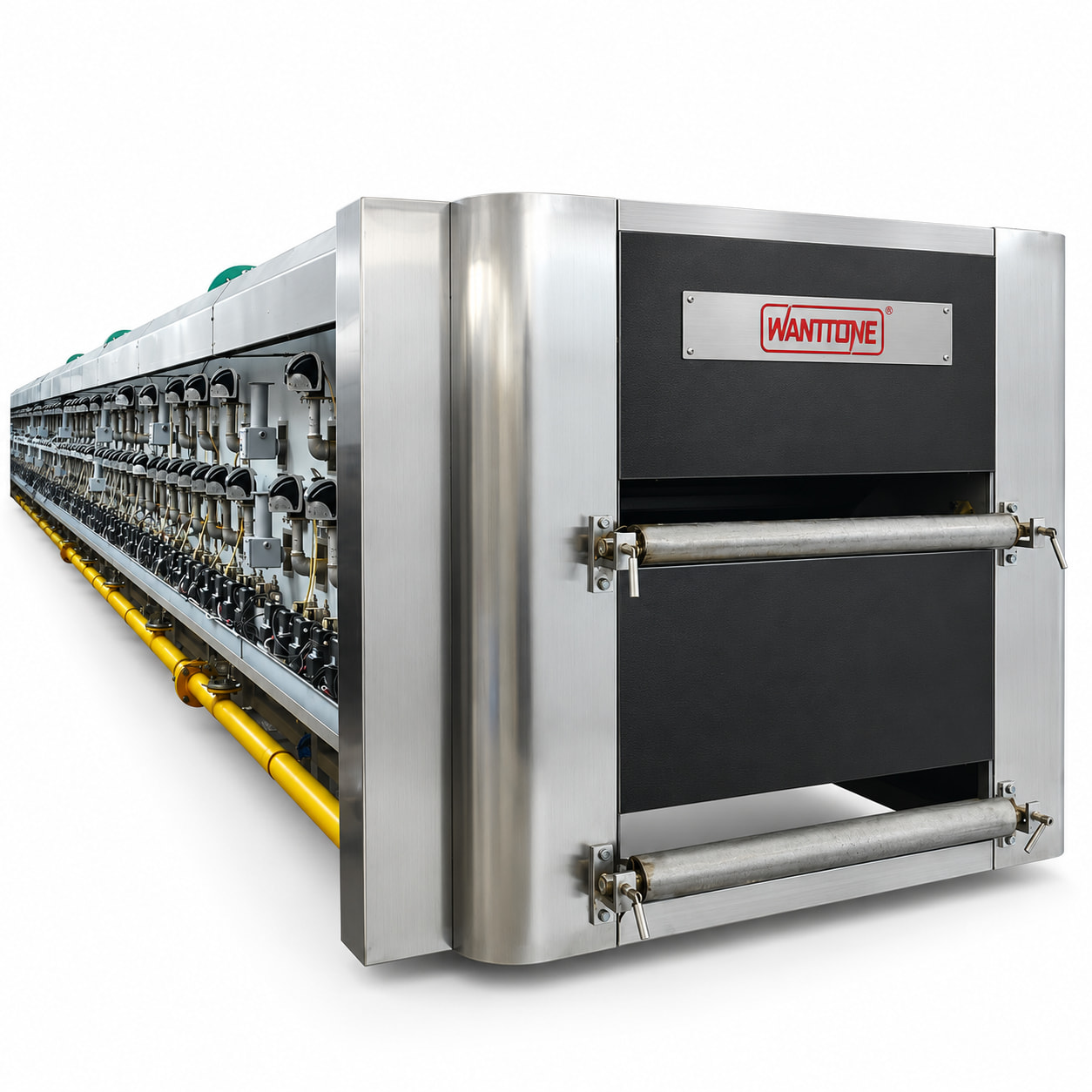
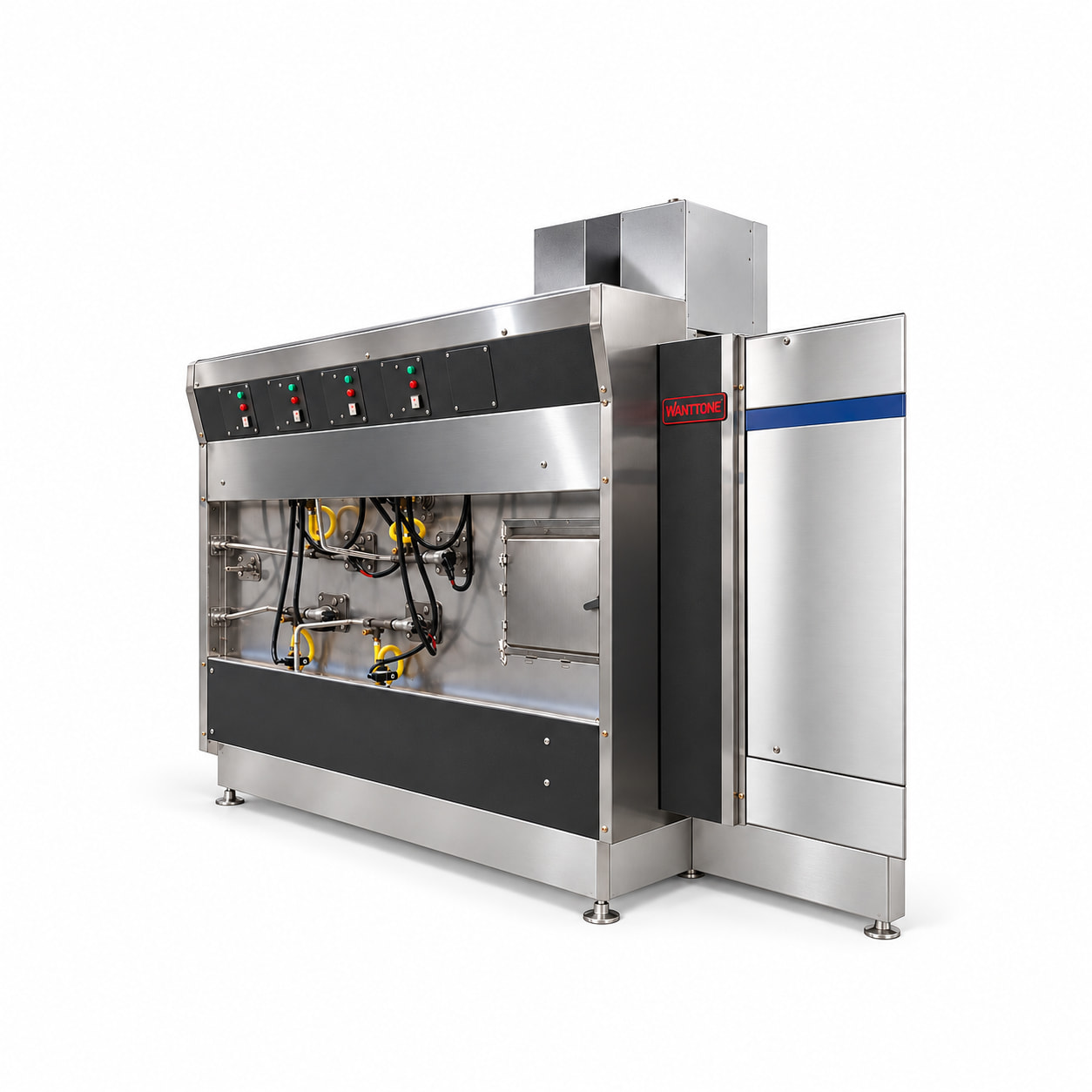
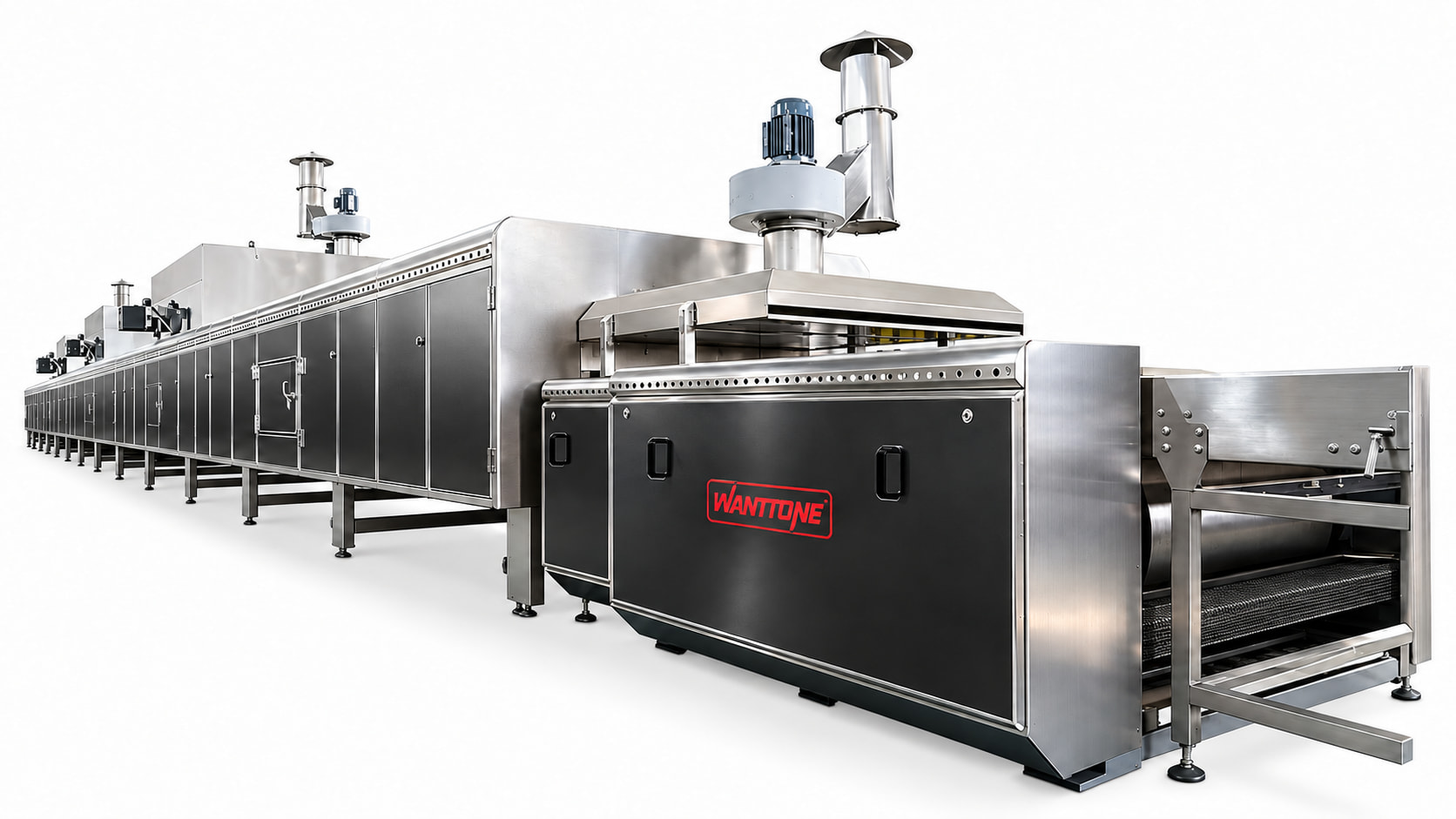
Reference illustration of Diesel Tunnel Oven

Product Overview

Wanttone’s diesel tunnel oven burns standard diesel or light fuel oil in high-efficiency burners, transferring heat to the baking chamber through a sealed heat exchanger so combustion gases never touch the product. The result is the same vigorous, stable bake that gas-fired ovens deliver — multi-zone control, even color, continuous 24/7 operation — powered by a fuel that is available and affordable in almost every market. Built in project-specific lengths with up to four zones and heavy rock wool insulation, this biscuit tunnel oven lets you locate your plant where the market is, not where the gas pipeline ends.

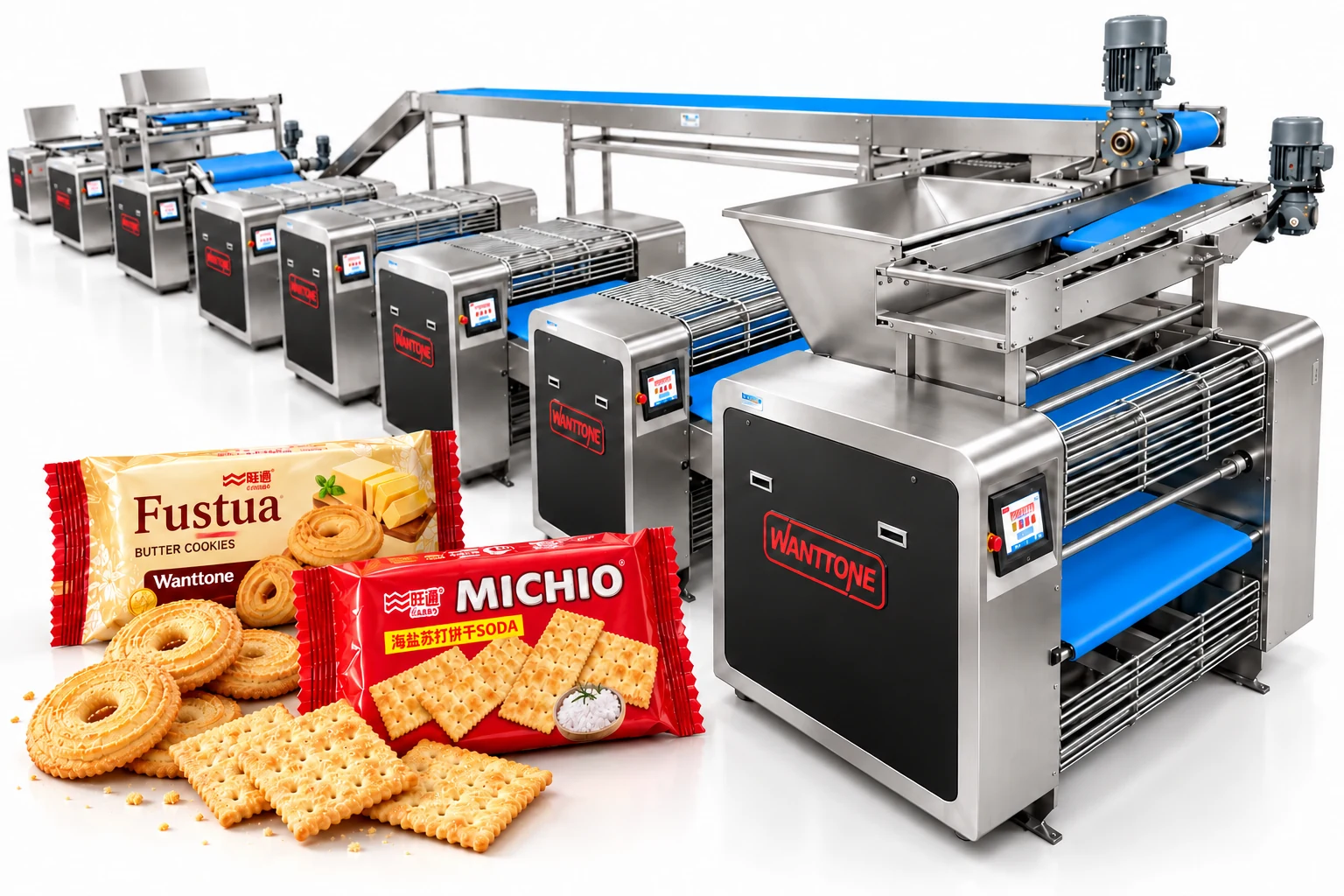
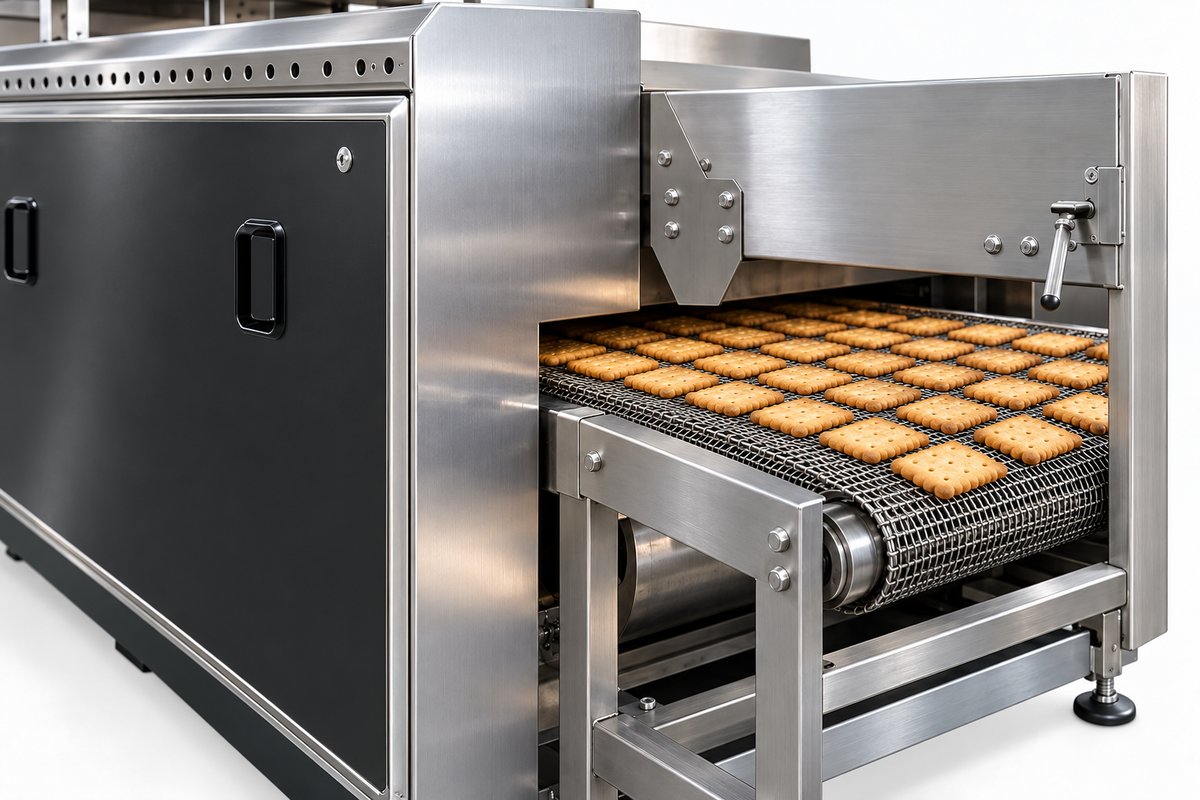
Golden baked biscuits emerging on the diesel tunnel oven's wire-mesh baking band

Capabilities & Applications

Key Features

  • Fuel Independence from Gas Grids

    Diesel is tanker-delivered and stored on site, freeing plant location from pipeline infrastructure — decisive where natural gas is unavailable or costly to connect. Dual-fuel options (diesel plus LPG or NG) protect against future supply changes.

  • Indirect-Fired Clean Baking

    High-efficiency diesel burners heat the chamber through a sealed heat exchanger, so flue gases are exhausted separately and only clean hot air reaches your biscuits.

  • Zoned Automatic Temperature Control

    Two to four zones with independent automatic control and digital display follow the classic baking curve — shaping, dehydration, coloring, final drying — for repeatable quality.

  • Lower Energy Cost than Electricity in Off-Grid Regions

    Where grid power is expensive or unstable, diesel firing typically delivers a lower, more predictable energy cost per ton, with far smaller electrical infrastructure requirements.

  • Comprehensive Combustion Safety

    Flame-failure protection, fuel pressure monitoring, automatic shut-off valves, and over-temperature alarms safeguard the oven and operators in continuous duty.

  • Heavy-Duty Insulated Construction

    An aluminized-plate chamber with a stainless-steel outer enclosure and thick rock wool insulation minimizes heat loss and keeps the outer skin safe to touch.

Applications

  • The Wanttone diesel tunnel oven bakes hard biscuits, soft biscuits, soda crackers, cookies, pretzels, and baked snacks at medium and large factory scale. It is engineered for plants in Africa, the Middle East, South Asia, and other regions without pipeline gas. Typical diesel consumption runs approximately 40–60 kg per ton of finished biscuits, varying with the recipe; our engineers refine this figure during project design.

A Defined Role in the Line

  1. Upstream Requirements

    Confirm the incoming material or product condition, target throughput, infeed height and available utilities.

  2. Core Machine Function

    Diesel is tanker-delivered and stored on site, freeing plant location from pipeline infrastructure — decisive where natural gas is unavailable or costly to connect. Dual-fuel options (diesel plus LPG or NG) protect against future supply changes.

  3. Downstream Integration

    Match discharge height, line speed, control signals, guarding and cleaning access with the next operation.

Specifications & Configuration

Technical Parameters for Diesel Tunnel Oven
ItemSpecification
Heating typeIndirect-fired diesel (heat exchanger); direct-fired zones optional
FuelDiesel / light fuel oil (dual-fuel with LPG or NG optional)
Oven length12–60 m, modular, project-specific
Temperature zones2–4 zones, independent automatic control, digital display
Fuel storageOn-site diesel tank with day-tank and pump set (sized to project)
Chamber materialAluminized plate chamber; 304 stainless-steel outer enclosure
InsulationThick rock wool, sealed joints
ConveyorServo-driven steel belt or mesh belt, variable speed
Typical fuel consumptionApprox. 40–60 kg diesel per ton of biscuits
ControlPLC + touch screen, recipe storage, fault alarms
Heating Options Comparison for Diesel Tunnel Oven
FactorElectricNatural GasLPGDiesel
Supply conditionStable grid, adequate transformer (KVA)Pipeline connection availableTank storage + vaporizerTanker delivery + on-site tank — available almost anywhere
Typical operating costHighest where tariffs are highUsually lowest per tonModerate, above pipeline gasBelow electric in most off-grid regions; above pipeline gas
Infrastructure burdenLarge transformer, heavy cablingGas trains, pressure regulationStorage and safety distancesFuel tank, pump set, flue
Best forClean-label plants with cheap powerLarge plants on gas networksMedium plants off-pipelinePlants in Africa, the Middle East, and South Asia without gas supply

Every diesel oven is engineered to order. Share your product, capacity, and site conditions for a project-specific datasheet.

How to Choose

Diesel, gas, LPG, or electric — the right energy source depends on supply conditions and operating cost at your site:

Practical tip: compare cost per ton, not fuel price alone. Send Wanttone your local electricity, gas, and diesel prices and we will model all four options before you commit.

The Wanttone Difference

A diesel oven must perform where support infrastructure is thin — which is exactly where Wanttone’s engineering discipline pays off. Our predecessor, the Yangjiang Biscuit Equipment General Factory, began building biscuit ovens in 1981, and today Guangdong Wanttone Food Co., Ltd. validates every baking curve in our own working biscuit factory before an oven ships. As an ISO 9001-certified manufacturer with an in-house food machinery research institute, we design each diesel oven around your fuel logistics: tank sizing, burner selection, flue routing, and dual-fuel headroom. Our one-stop service covers plant layout, installation, commissioning, operator training, and lifetime after-sales support with dispatched technicians — so your oven keeps baking reliably long after start-up.

Frequently Asked Questions

Why choose a diesel tunnel oven instead of gas or electric?

Choose diesel where pipeline natural gas is unavailable and electricity is expensive or unstable — common across Africa, the Middle East, and South Asia. Diesel is tanker-delivered and stored on site, typically with an energy cost per ton well below that of electric heating.

Do combustion gases contact the biscuits?

No. The standard configuration is indirect-fired: diesel burns in a sealed heat exchanger, flue gases are exhausted separately, and only clean heated air reaches the baking chamber.

How much diesel does the oven consume?

Typical consumption is approximately 40–60 kg of diesel per ton of finished biscuits, depending on the recipe, oven length, and insulation. We calculate a project-specific figure during design.

What fuel infrastructure do I need on site?

A diesel storage tank sized to your delivery cycle, a day tank with a pump set, and flue routing — Wanttone can specify and supply the complete fuel system.

Can the oven switch to gas later if a pipeline arrives?

Yes. Dual-fuel burner configurations let the oven switch fuel without a major rebuild, protecting your investment.