Gas Tunnel Oven

A gas tunnel oven is the workhorse of high-capacity biscuit manufacturing — and the most economical baking solution wherever natural gas or LPG is readily available.

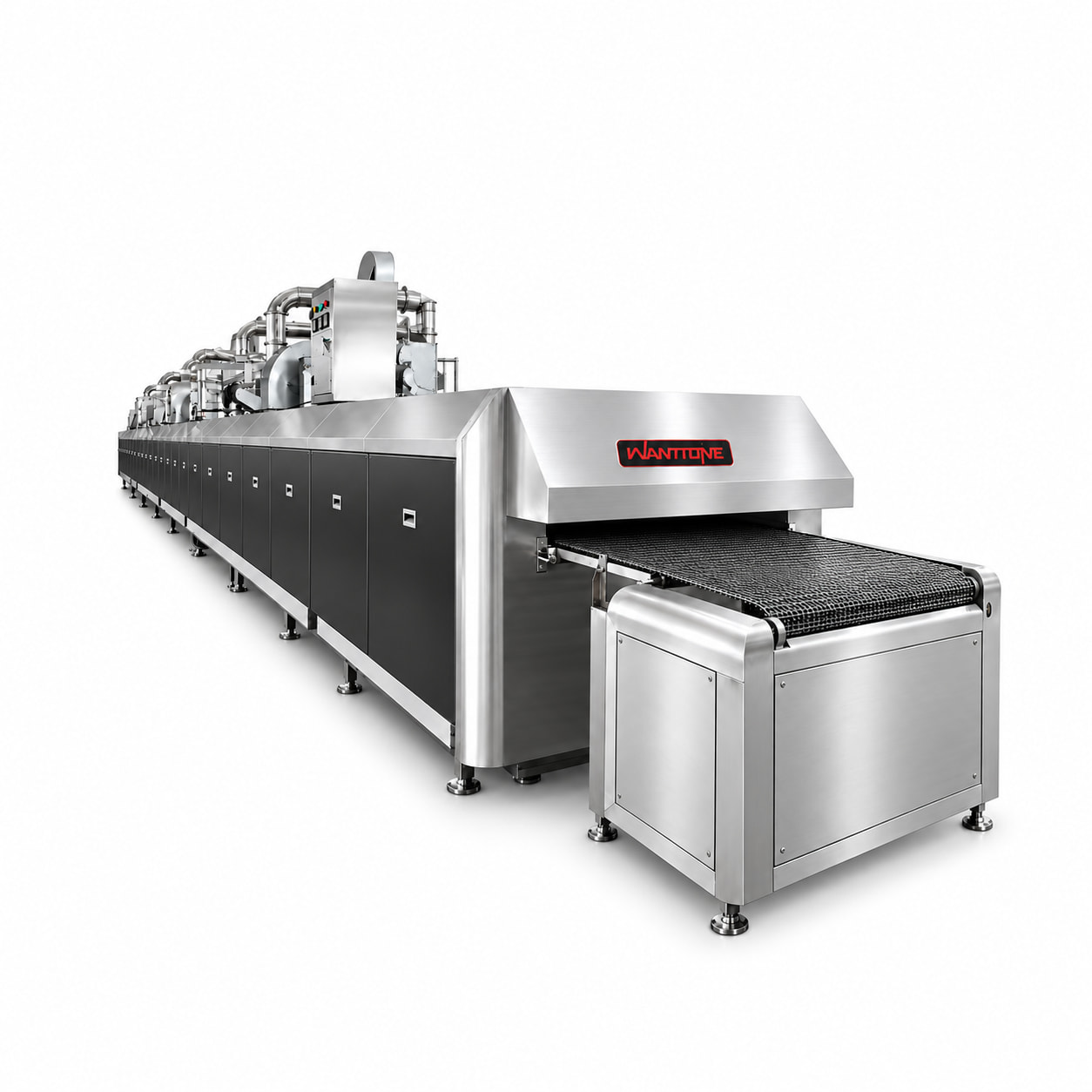
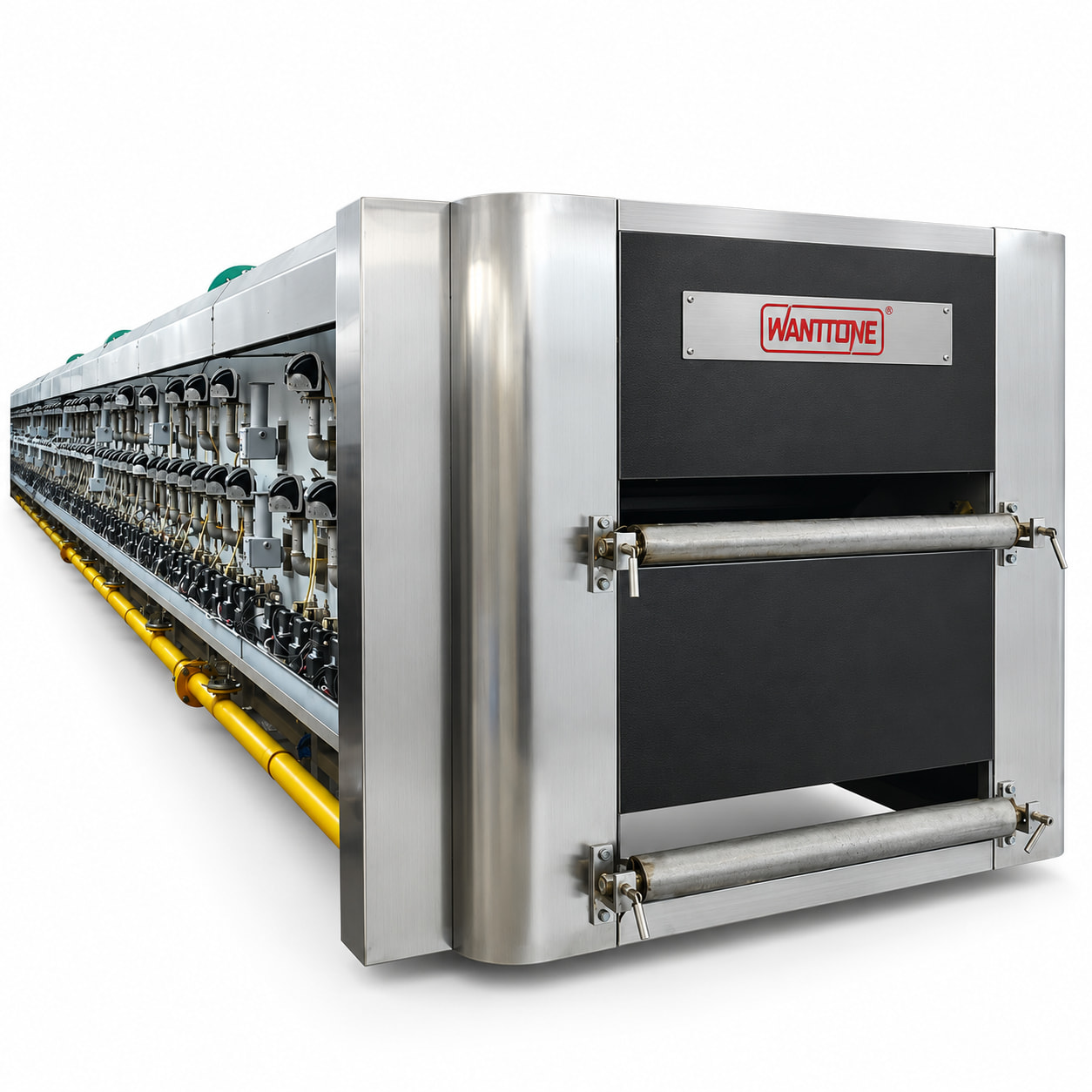
Reference illustration of Gas Tunnel Oven

Product Overview

Wanttone’s gas tunnel oven burns fuel cleanly inside high-efficiency combustion tubes, delivering heat to the product through three simultaneous mechanisms: convection from circulating hot air, conduction through the stainless-steel conveyor band, and direct radiation across the baking chamber. The result is lower energy cost per ton, faster thermal response, and the strong, stable heat that crackers and hard biscuits demand. Built in lengths up to 60 m with two to four automatically controlled zones and digital temperature display, this biscuit tunnel oven runs on natural gas, LPG, or diesel — configured to your local fuel infrastructure and production targets.

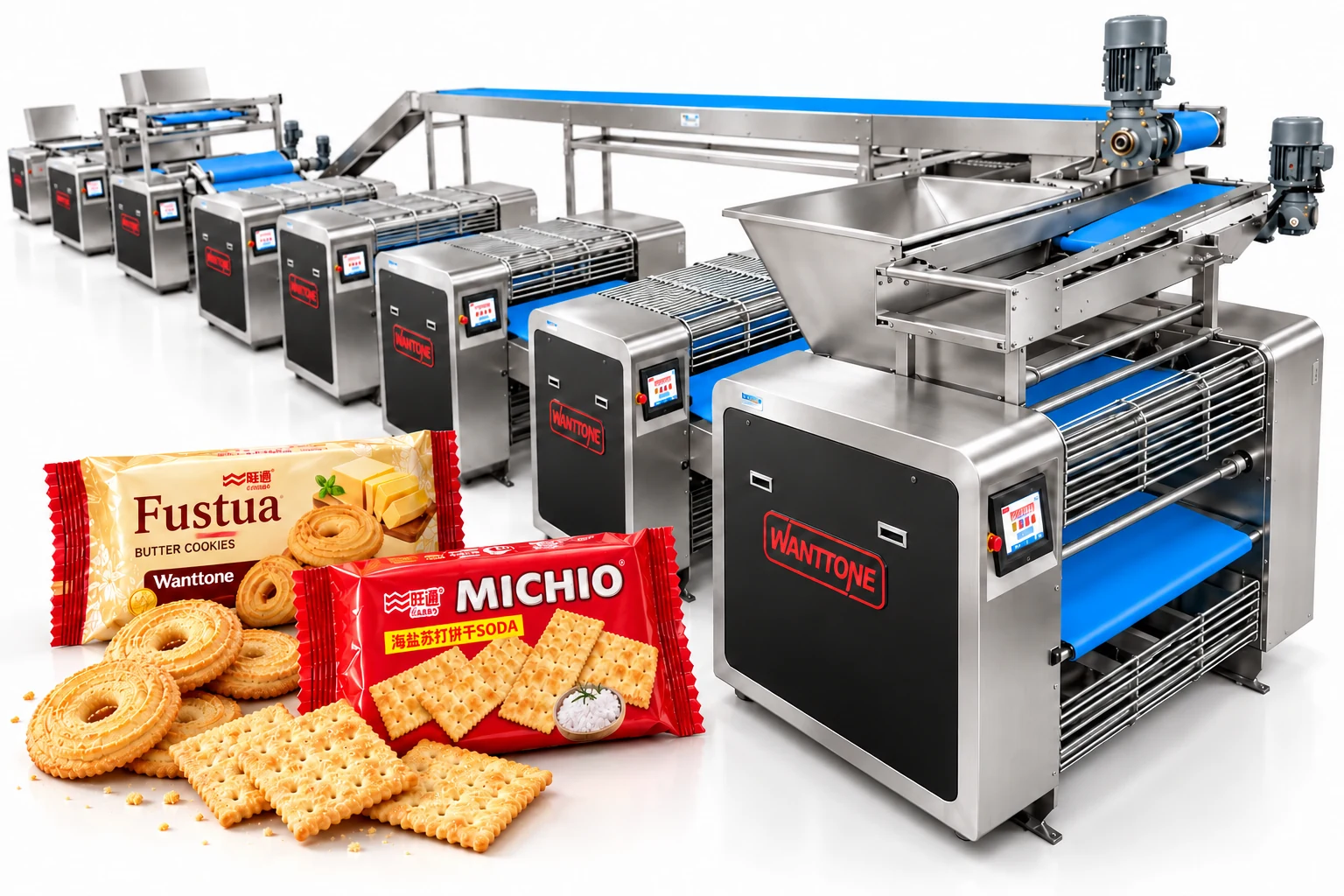
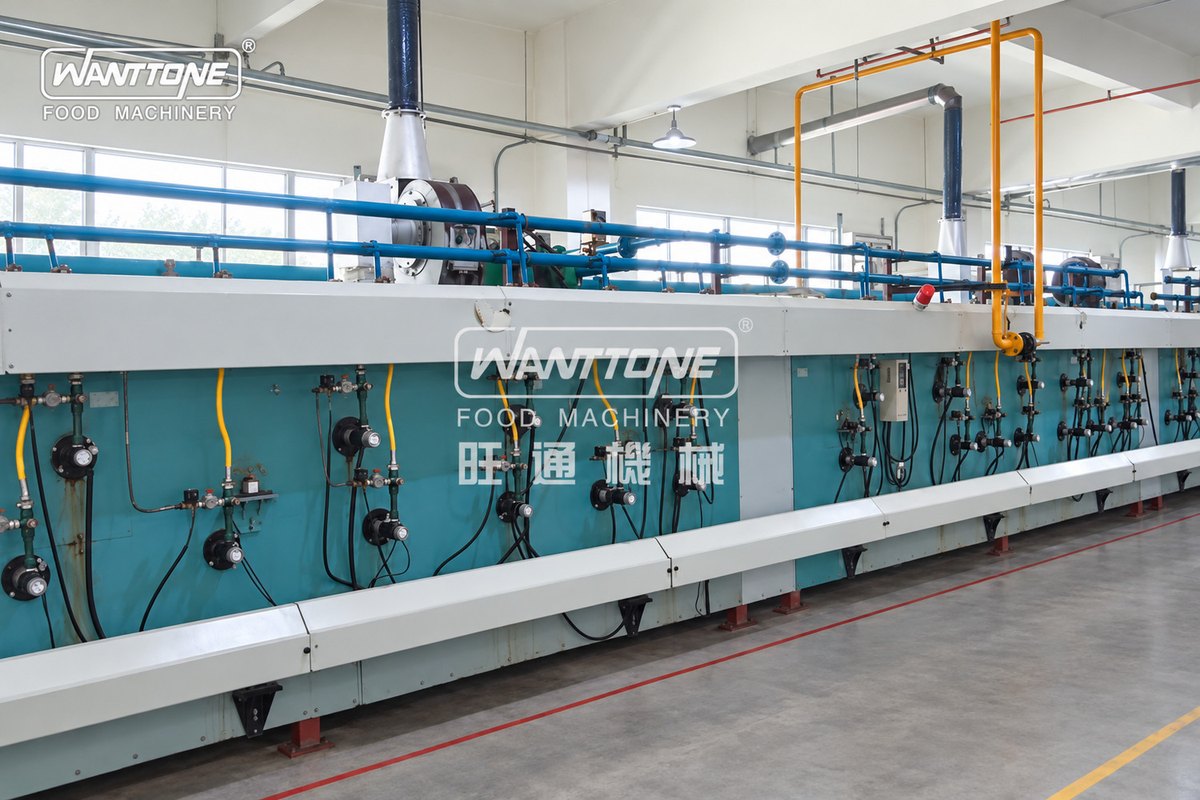
Gas tunnel oven installed in a biscuit production line
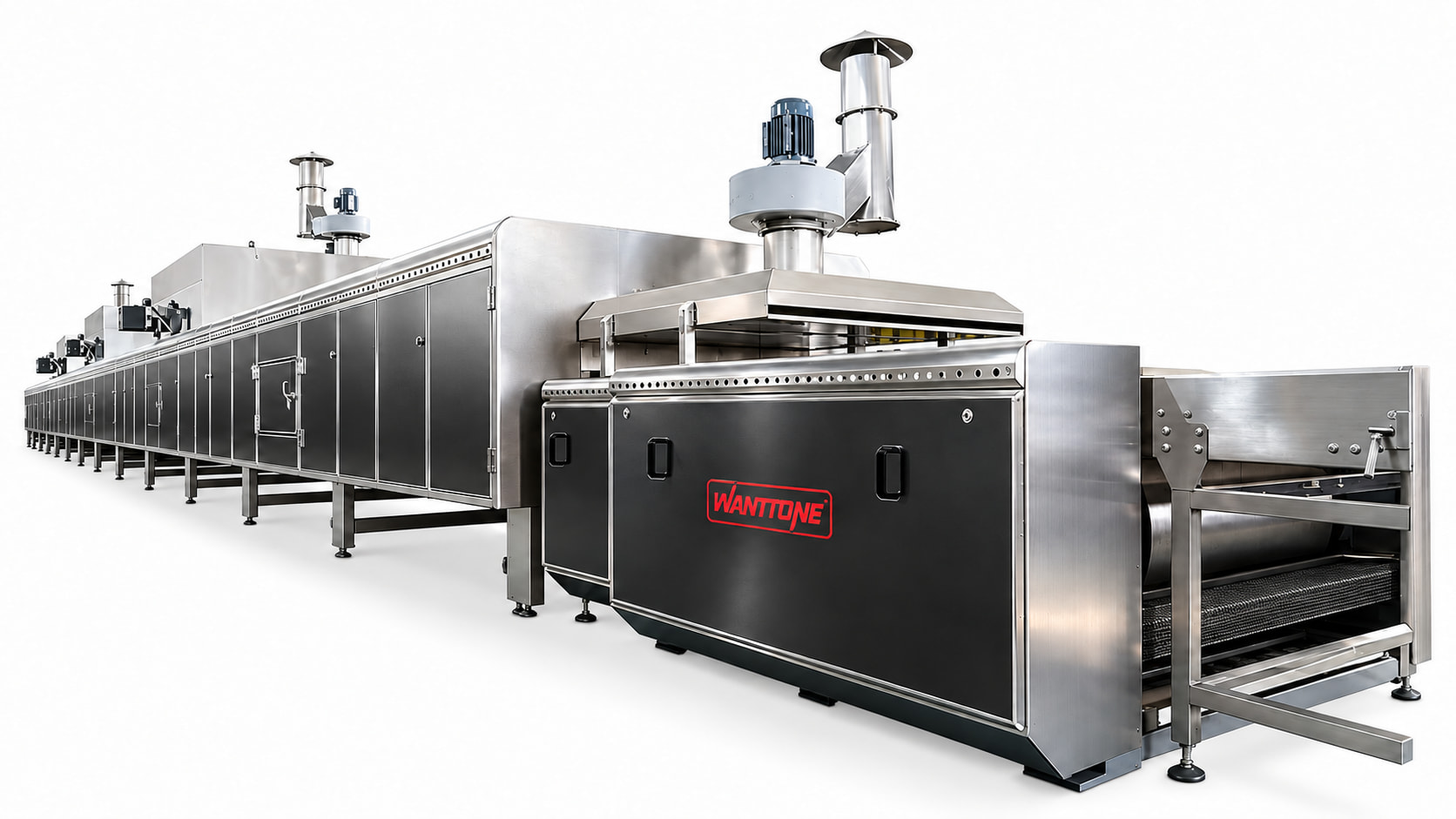
Gas tunnel oven
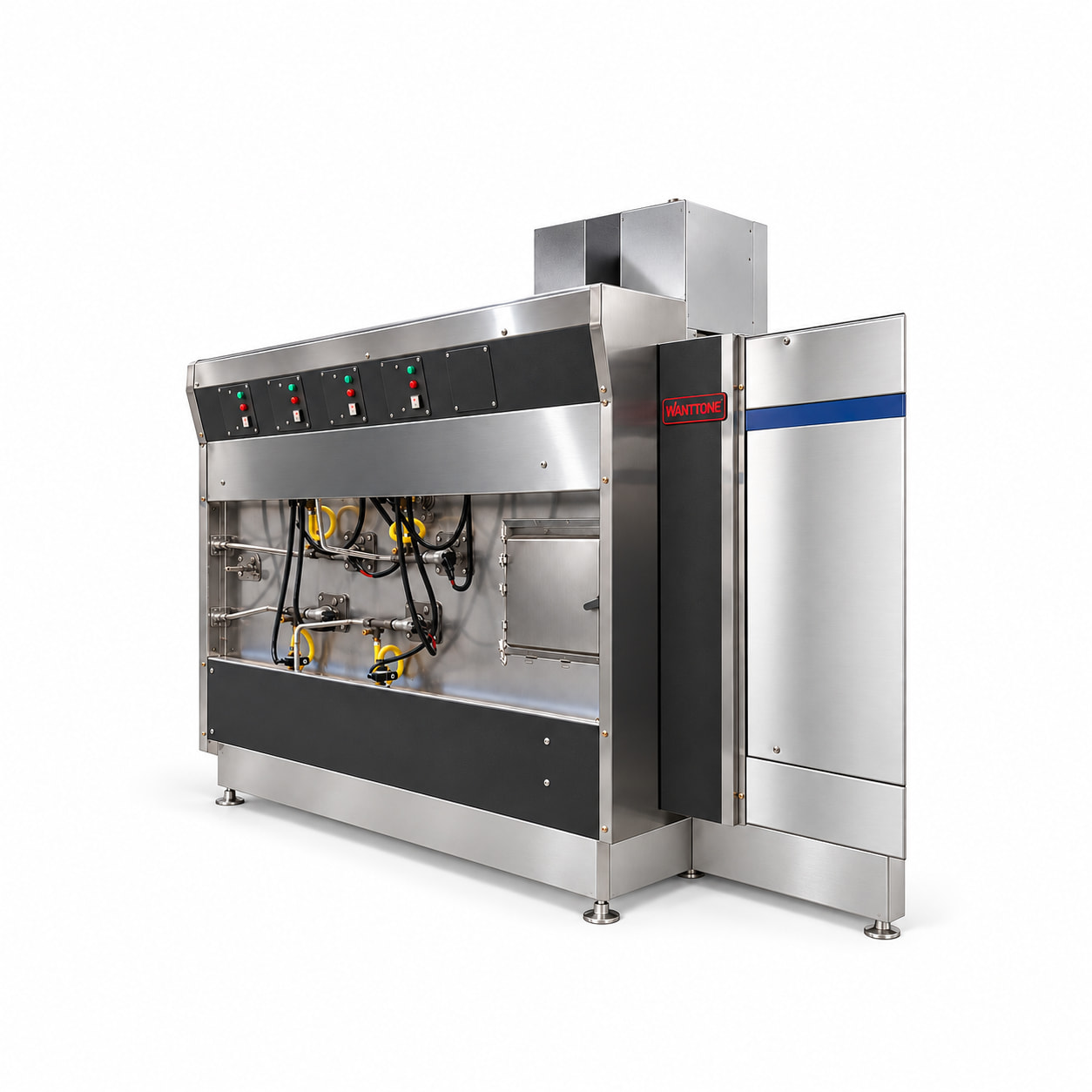
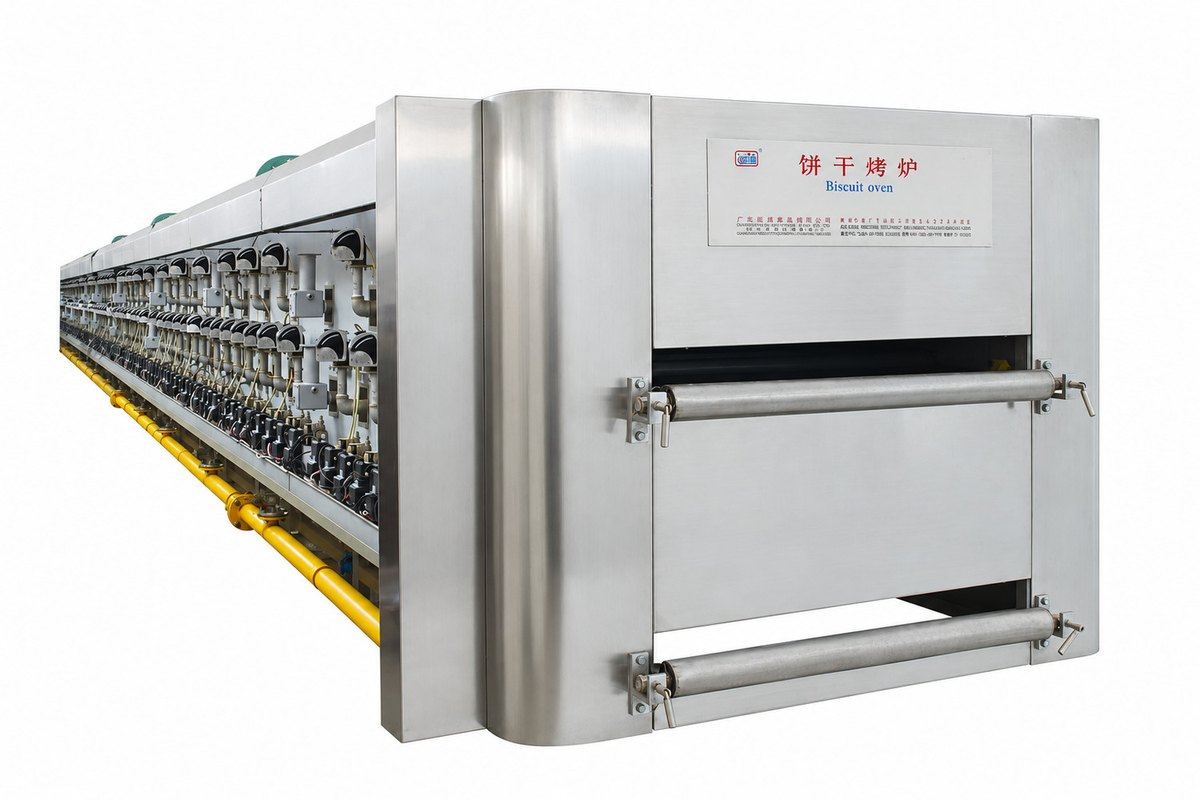
Access and construction detail of the gas tunnel oven
Oven construction detail

Capabilities & Applications

Key Features

  • Triple Heat Transfer for Superior Baking

    Convection (high-temperature circulating air), conduction (through the steel or mesh conveyor belt), and radiation work together, producing biscuits with fine color, full flavor, and an even bake from edge to center.

  • Lower Energy Costs, Faster Heat Response

    Compared with electric heating, gas firing typically delivers a significantly lower energy cost per ton of biscuits and reaches the set temperature faster — the decisive advantage for large-volume lines running 24/7.

  • Four-Stage Baking Curve Control

    Zones are configured for shaping and rising, moisture evaporation and starch gelatinization, Maillard reaction and coloring, then final drying and crisping — each zone automatically temperature controlled with a digital readout.

  • High-Performance Burners

    One burner per zone with 70–200 kW output (direct-fired zones use burning rods rated above 12 kW each), using proven European burner technology for clean combustion and precise modulation.

  • Heavy-Duty Insulated Construction

    The oven chamber is built from 2.3 mm aluminized plate with a 304 stainless-steel outer enclosure; thick rock wool insulation and sealed joints minimize heat loss and keep the outer skin safe to touch.

  • Servo-Driven Conveyor with Belt Options

    A variable-speed servo drive matches belt speed to baking time; choose a solid steel belt for soft doughs and cookies or a mesh belt for crackers and products needing strong bottom heat.

  • Flexible Fuel Configuration

    Single-fuel or dual-fuel (NG/LPG/diesel) systems are available, protecting your production against fuel supply interruptions.

Applications

  • The Wanttone gas tunnel oven is the first choice for crackers, soda biscuits, hard biscuits, soft biscuits, cookies, and pretzel-type products at medium and large factory scale. Direct-fired configurations excel with crackers and hard doughs that need vigorous heat; indirect-fired and convection configurations suit soft biscuits, cookies, and high-fat recipes where gentle, uniform heat protects surface quality. Typical fuel consumption runs approximately 40–60 m³ of natural gas, 30–50 kg of LPG, or 40–60 kg of diesel per ton of finished biscuits, varying with the recipe and process — figures our engineers refine for your specific product during project design.

A Defined Role in the Line

  1. Upstream Requirements

    Confirm the incoming material or product condition, target throughput, infeed height and available utilities.

  2. Core Machine Function

    Convection (high-temperature circulating air), conduction (through the steel or mesh conveyor belt), and radiation work together, producing biscuits with fine color, full flavor, and an even bake from edge to center.

  3. Downstream Integration

    Match discharge height, line speed, control signals, guarding and cleaning access with the next operation.

Specifications & Configuration

Technical Parameters for Gas Tunnel Oven
ItemSpecification
Heating typeDirect-fired, indirect-fired, or convection (gas)
Fuel optionsNatural gas / LPG / diesel (dual-fuel optional)
Oven length12–60 m (modular, project-specific)
Temperature zones2–4 zones, independent automatic control, digital display
Burner output70–200 kW per burner, 1 burner per zone
Burning rod output (direct zones)≥12 kW per rod
Heating tubeΦ76 seamless steel tube
Chamber material2.3 mm aluminized plate; 304 stainless-steel outer enclosure
ConveyorServo-driven; steel belt or mesh belt, variable speed
Typical fuel consumptionNG: 40–60 m³/ton; LPG: 30–50 kg/ton; diesel: 40–60 kg/ton
Structural weight (approx.)700–900 kg per meter of oven length

Wanttone configures every oven to order. Contact us with your product, capacity, and fuel type for a project datasheet.

How to Choose

Getting the most from a gas biscuit baking oven:

Direct-fired vs. indirect-fired. Direct firing burns gas in tubes inside the chamber — fastest heat-up and strongest bake, ideal for crackers and hard biscuits. Indirect firing heats the chamber via heat exchangers — gentler heating with cleaner air, better for soft biscuits and cookies. Many lines combine both along the oven length.

Match zones to length. Plan 2 zones for shorter ovens, 3–4 for long ovens. More zones mean finer control of the baking curve.

Check fuel infrastructure first. Confirm pipeline gas pressure or LPG storage/regulation equipment early; this determines burner selection and valve-train design.

Size by capacity, not just floor space. Oven length and band width set throughput. Wanttone calculates the required baking time from your recipe, then dimensions the oven around it.

The Wanttone Difference

Wanttone’s credibility is baked in — literally. Our predecessor, the Yangjiang Biscuit Equipment General Factory, began building biscuit machinery in 1981 and was among the first in China to end reliance on imported biscuit ovens. Today, Guangdong Wanttone Food Co., Ltd. combines that engineering heritage with something few oven manufacturers can offer: our own working biscuit factory, where gas tunnel oven baking curves for crackers, cookies, and soda biscuits are validated daily under commercial production conditions. We have supplied complete lines to national-level brands — including a long-term production partnership with the Jiashili Group, which has awarded us its “Best Partner” medal multiple times. ISO 9001-certified manufacturing, an in-house food machinery research institute, and lifetime after-sales support with dispatched technicians complete the package: one supplier accountable for your oven from design through decades of service.

Frequently Asked Questions

How does the running cost of a gas oven compare with that of an electric oven?

In most regions, natural gas delivers a materially lower energy cost per ton of biscuits — typically 40–60 m³ of NG per ton — and gas ovens also respond faster during start-up and load changes. Where pipeline gas is unavailable, LPG or diesel configurations remain economical. Send us your local energy prices and we will calculate a cost-per-ton comparison for your project.

How do I set the temperature zones for my biscuits?

A typical four-zone profile runs: Zone 1 for shaping and rising (highest bottom heat), Zone 2 for moisture evaporation and starch gelatinization, Zone 3 for Maillard browning, and Zone 4 for final drying and crisping. Our commissioning engineers set and tune the curve with your team on site, then store it in the control system.

How long does a gas tunnel oven take to preheat?

Plan for roughly 30–60 minutes depending on oven length, then allow 5–15 minutes of stabilization before loading product. Direct-fired zones heat fastest.

What maintenance is required?

Routine items include burner inspection and cleaning, combustion air filters, belt tracking and tension, circulation fans, and insulation seals. Wanttone provides a preventive maintenance plan, spare-parts support, and scheduled technician visits.

Can the oven match my local fuel conditions?

Yes. Burners, valve trains, and controls are selected for your available fuel — pipeline natural gas, LPG tanks, or diesel — including dual-fuel systems for supply security. Gas pressure and safety requirements are confirmed during technical design.

What happens if my gas pressure fluctuates?

The valve train includes pressure regulation and safety shut-offs; burners modulate automatically to hold zone temperature. For unstable supplies we recommend dual-fuel burners so production can switch fuel without stopping the line.