Animal Biscuit Production Line

An animal biscuit production line is a complete biscuit manufacturing system for producing animal-shaped biscuits — the classic children’s snack made in lion, bear, elephant, and dozens of other fun shapes.

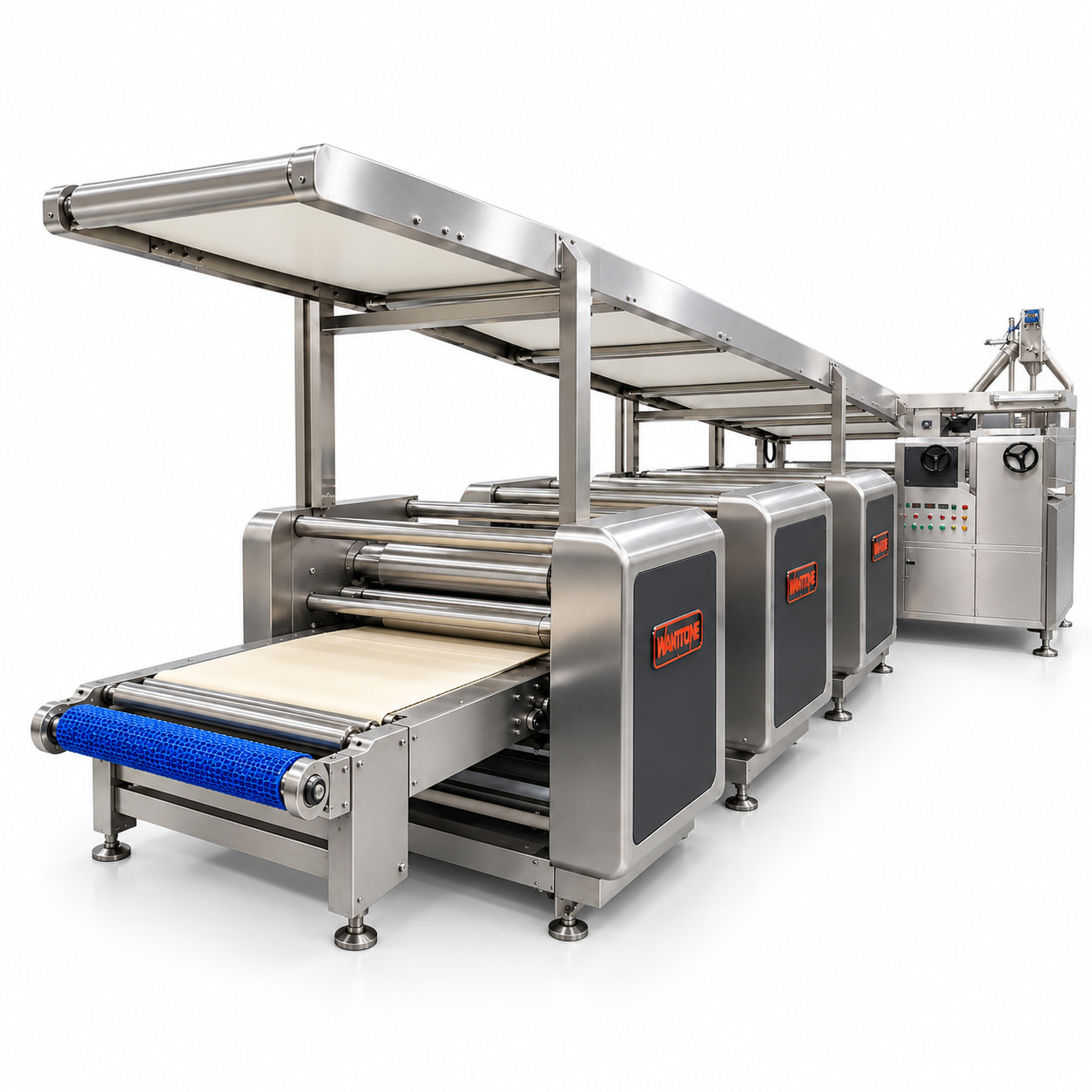
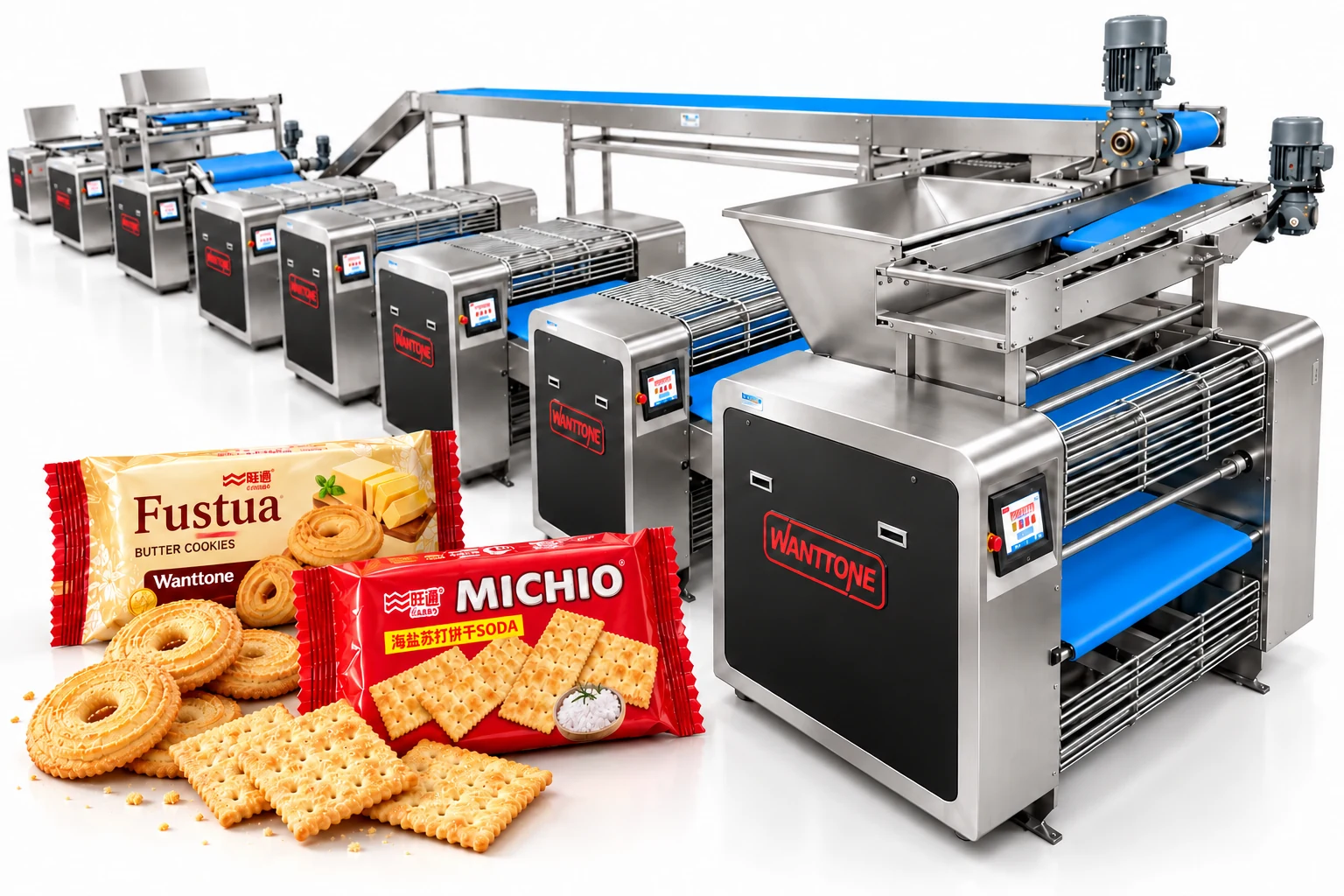
Reference illustration of Animal Biscuit Production Line equipment

Product Overview

It is built for manufacturers targeting the children’s biscuit market, where shape definition, consistent size, and food safety determine brand success. Wanttone’s animal biscuit production line automates dough mixing, rotary moulding with shaped dies, tunnel oven baking, cooling, and packaging, delivering sharply defined animal shapes at industrial output.

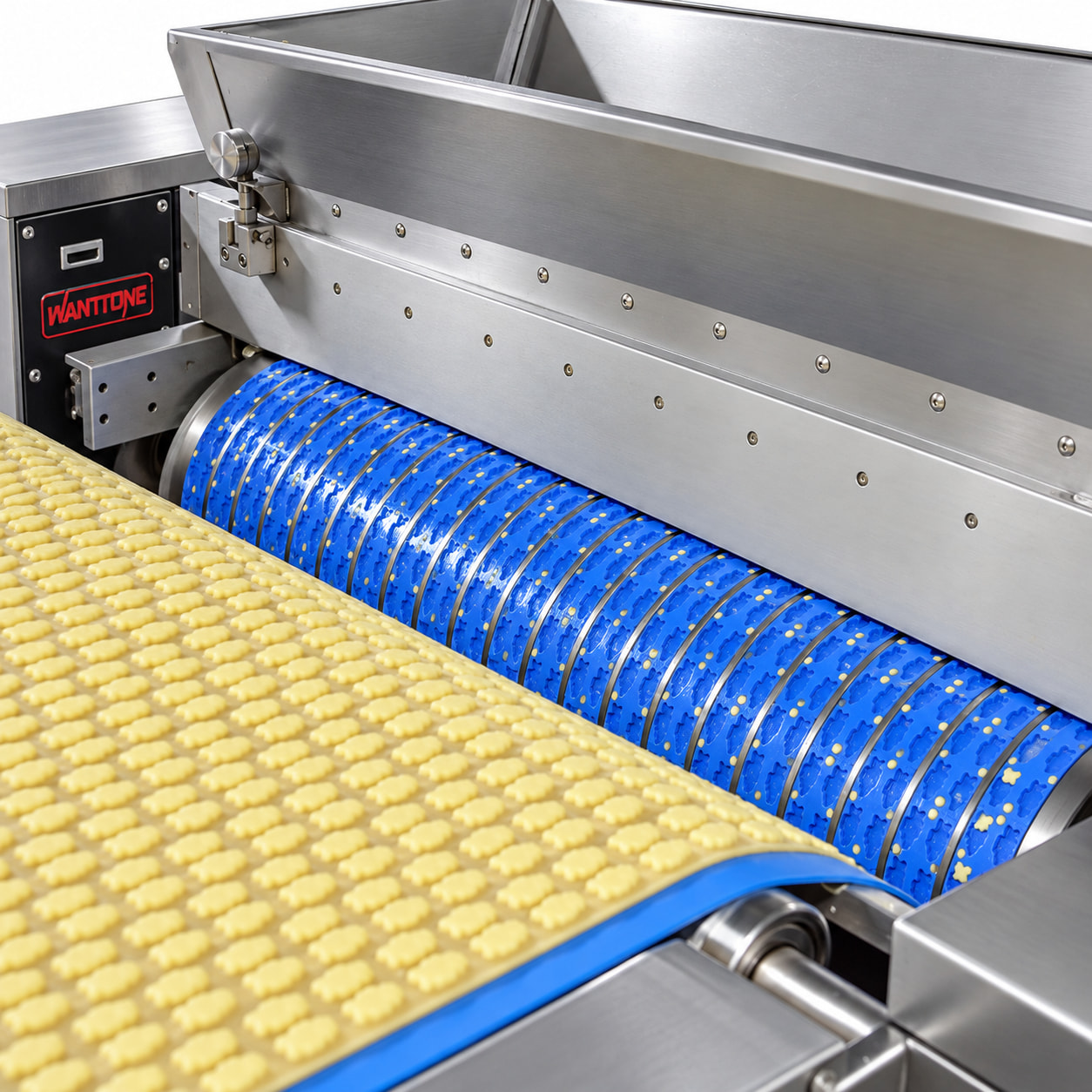
Animal biscuits live or die on shape quality: children and parents expect a recognizable giraffe or tiger in every pack. Wanttone’s rotary moulding technology presses dough into precision-engraved mold cavities that reproduce fine detail — ears, manes, and tails — biscuit after biscuit, while pneumatic belt tensioning and deviation control keep forming stable at high speed. With a library of standard animal molds plus full custom-mold service, working widths from 600 to 1,800 mm, and capacities from around 200 kg/h upward, the line serves everyone from startup children’s brands to high-volume industrial producers.

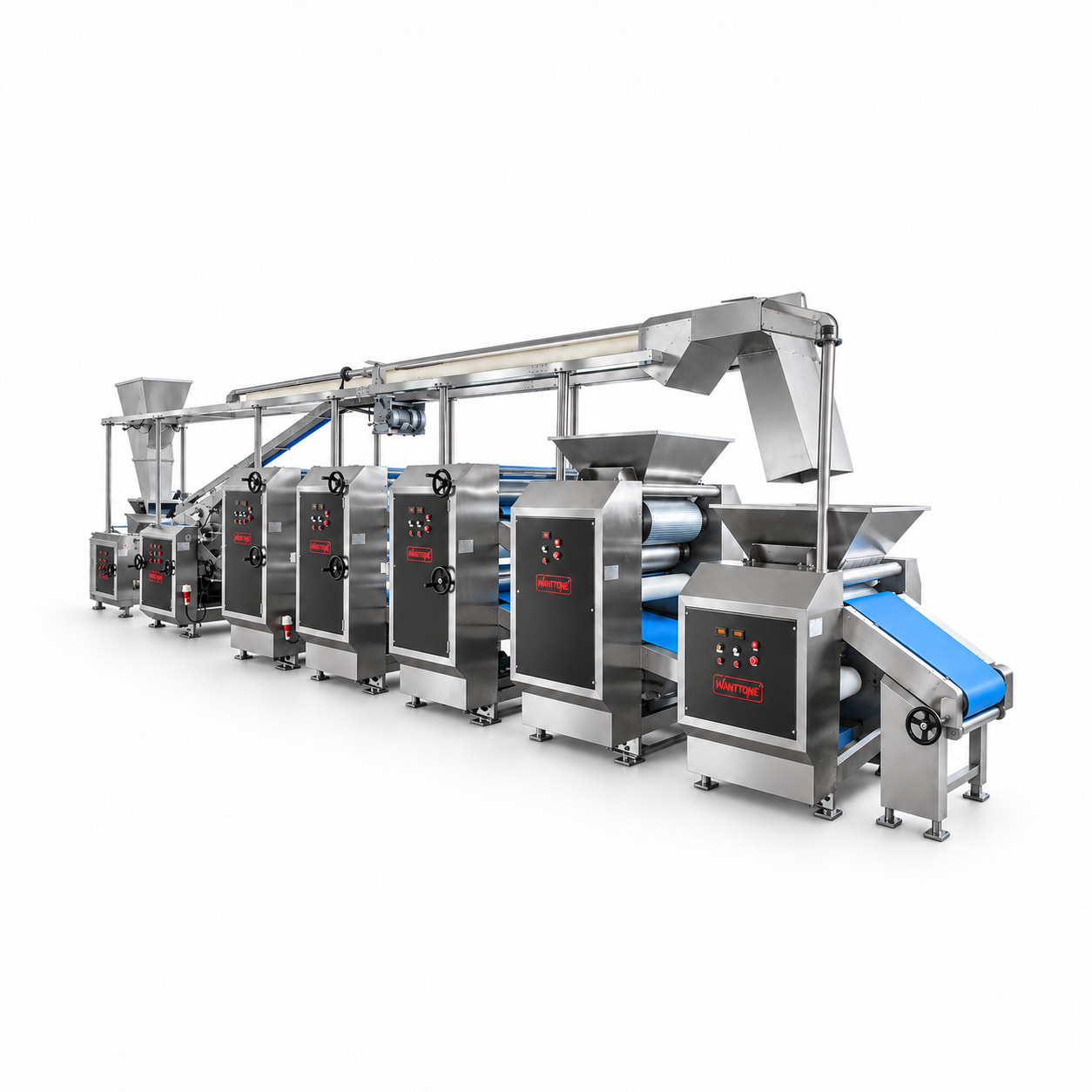
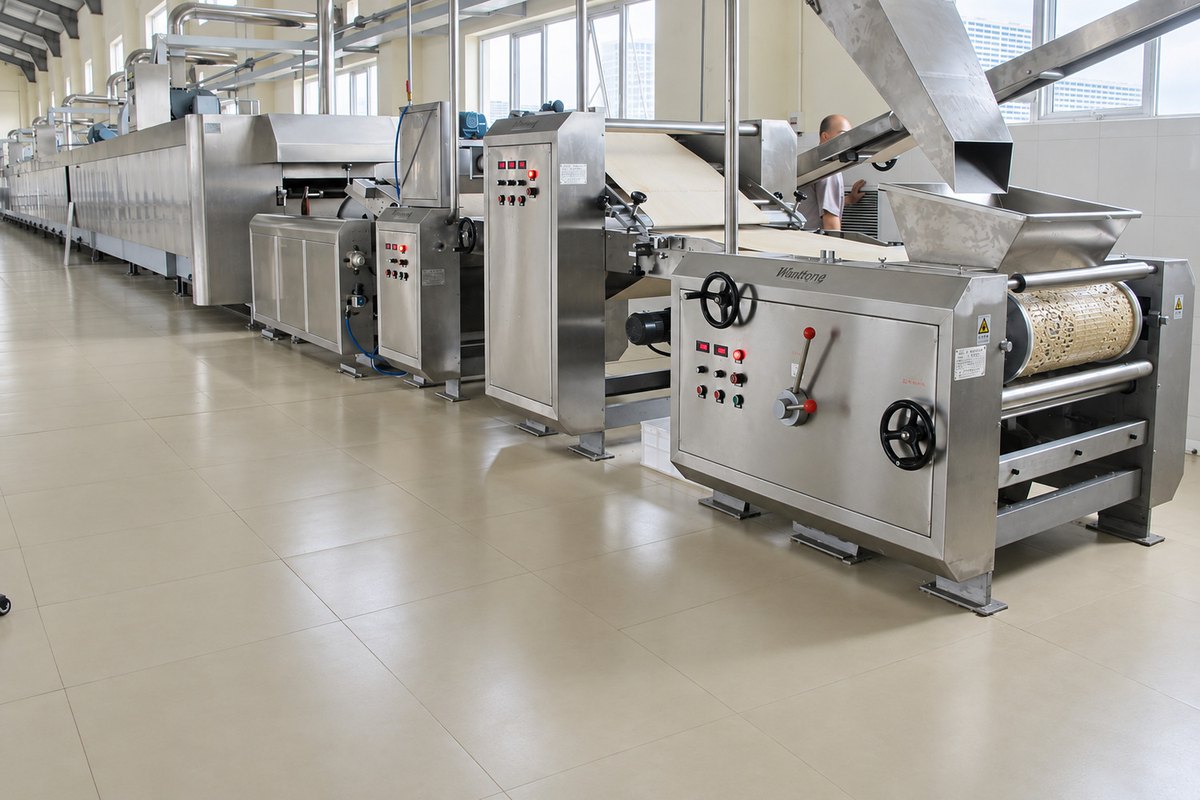
Dough feed and rotary moulding equipment in a biscuit line
Rotary moulding section
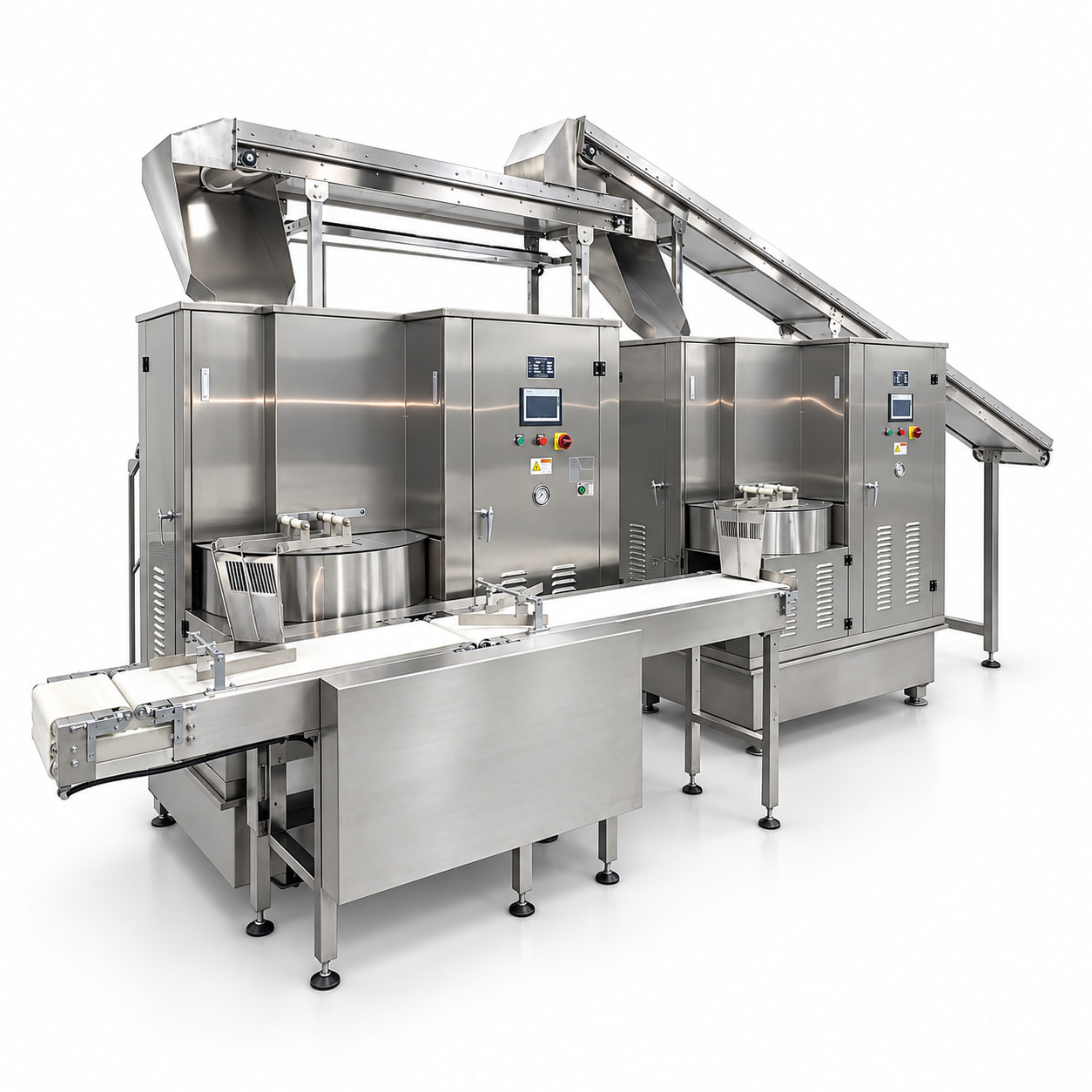
Biscuit stacking machine for downstream packing feed
Biscuit stacking equipment

Capabilities & Applications

Key Features

  • Sharp, Recognizable Shapes

    Precision-engraved rotary molds reproduce fine animal detail clearly, so every biscuit looks like the character on your packaging.

  • Huge Shape Library Plus Custom Tooling

    Choose from extensive standard animal shapes or commission custom molds for proprietary characters and licensed designs.

  • Fast Shape Changeover

    Interchangeable mold rollers let you switch between animal shapes quickly, supporting multi-SKU variety packs on one line.

  • Consistent Weight and Size

    Stable forming with displacement-sensor pressure control and pneumatic belt systems keeps every biscuit uniform for accurate packing.

  • Food-Safe, Hygienic Construction

    SUS304 contact parts, hard-chrome-plated rollers, and a no-dead-corner design meet the hygiene standards children’s food demands.

  • Scalable Industrial Output

    Configurations from compact startup lines to 3,000 kg/h-class industrial plants, all with PLC touchscreen control and recipe memory.

Applications

  • Animal-shaped biscuits for children’s snacks, zoo/safari-themed biscuit assortments, letter and number biscuits (with mold changes), mini biscuits for lunchbox and multipack formats, and fortified children’s biscuits. Suitable for startup children’s snack brands, mid-sized biscuit factories entering the kids’ segment, industrial biscuit manufacturers, and private-label producers for retail chains and licensees.

From Preparation to Packing

  1. Dough Mixing

    Prepare and condition the recipe to the specified consistency for stable downstream processing.

  2. Rotary Moulding

    Shape and portion the product consistently to the required format and piece weight.

  3. Baking

    Control time and temperature to achieve the target structure, color, and moisture.

  4. Cooling

    Stabilize the product temperature and structure before downstream handling.

  5. Stacking

    Organize finished pieces into a consistent orientation and quantity for packing.

  6. Packaging

    Pack finished products in the agreed format with a consistent count and presentation.

Specifications & Configuration

Technical Parameters for Animal Biscuit Production Line
ItemSpecification
Models / Working width600 / 800 / 1000 / 1200 / 1500 / 1800 mm
Production capacityApprox. 200–3,000 kg/h (depends on model, biscuit size, and oven length)
FormingRotary moulder with interchangeable animal-shape mold rollers
Mold optionsStandard animal library + fully custom shapes (plastic or copper)
Tunnel ovenGas / electric / diesel; multi-zone, length sized to capacity
Process flowDough mixing → rotary moulding → baking → cooling → stacking → packaging
Control systemPLC + touchscreen, recipe storage, safety interlocks
MaterialSUS304 stainless steel, hard-chrome-plated roller surfaces

The Wanttone Difference

Children’s biscuits demand charm and discipline at once — delightful shapes produced with industrial consistency. Wanttone brings both. With roots in 1981 as one of China’s first automated biscuit equipment makers, and as an operating biscuit manufacturer ourselves, we understand what makes children’s products succeed: shape fidelity, gentle sweetness, strict hygiene, and packaging-ready uniformity. Our rotary moulding and mold-making capability delivers crisp detail on any animal design, manufactured under ISO 9001 control. Beyond the machine, Wanttone’s one-stop service covers factory layout, recipe support for children’s nutrition positioning, installation, operator training, and lifetime after-sales service — the same partnership approach that has made us a long-term supplier and “Best Partner” award winner for leading biscuit groups.

Frequently Asked Questions

How many animal shapes can one line produce?

Unlimited, practically speaking. Shapes are defined by interchangeable mold rollers; you can build a library of molds over time and switch between them in a short changeover, enabling variety packs and seasonal designs.

Can you make custom molds for our own characters?

Yes. Provide your shape designs or licensed character artwork, and we engineer custom molds — in food-grade plastic or long-life copper — optimized for clean release and sharp detail.

What biscuit recipes suit animal shapes best?

Soft-dough, moderately sweet children’s biscuit recipes mould best, including fortified versions with added calcium, vitamins, or whole grains. Our food technologists help adapt your recipe for shape definition and target texture.

What capacity is right for entering the children’s biscuit market?

Startups typically begin at 200–500 kg/h; established brands run 800–1,500 kg/h; industrial private-label producers go higher. Because animal biscuits are small, even moderate kg/h translates into very high piece counts.

How do you ensure hygiene for children’s food production?

All food-contact parts are SUS304 stainless steel with no-dead-corner structures for easy cleaning; safety interlocks and emergency stops protect operators. We support your HACCP documentation with equipment hygiene design data.