Baked Stackable Potato Chip Production Line

A baked stackable potato chip production line produces uniformly shaped, saddle-curved potato crisps from potato flour and starch dough, baked in a tunnel oven instead of deep-fried for a low-oil snack.

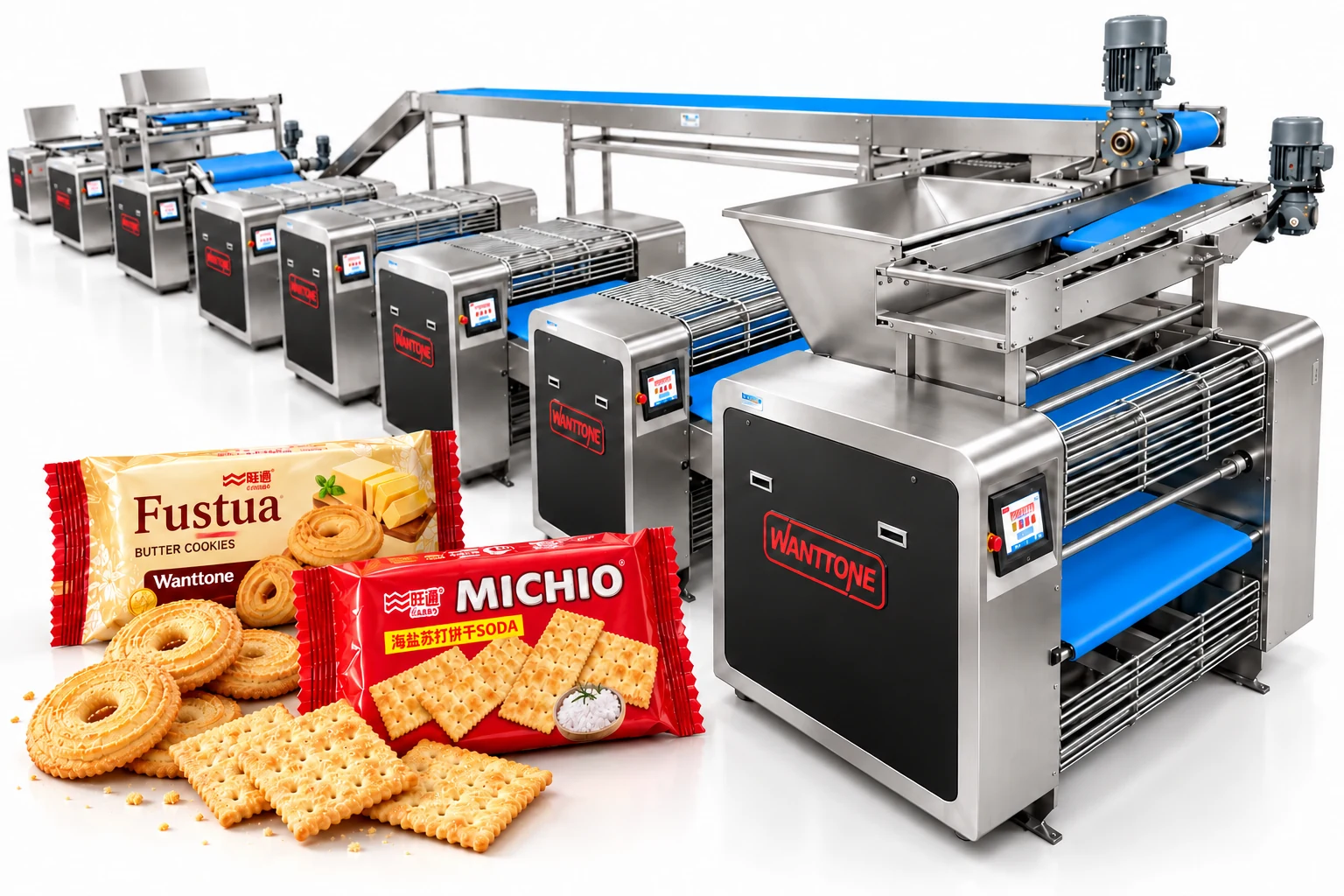
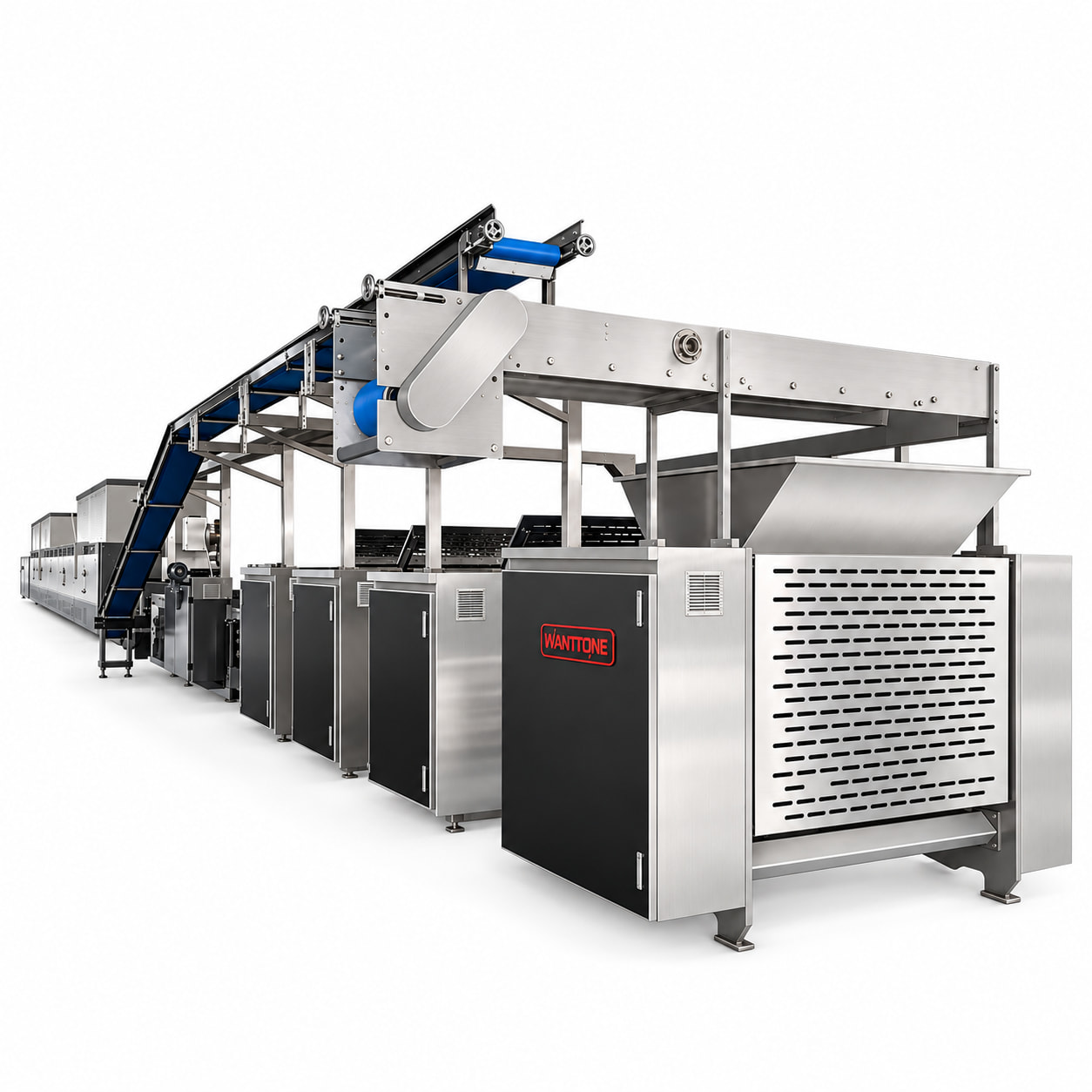
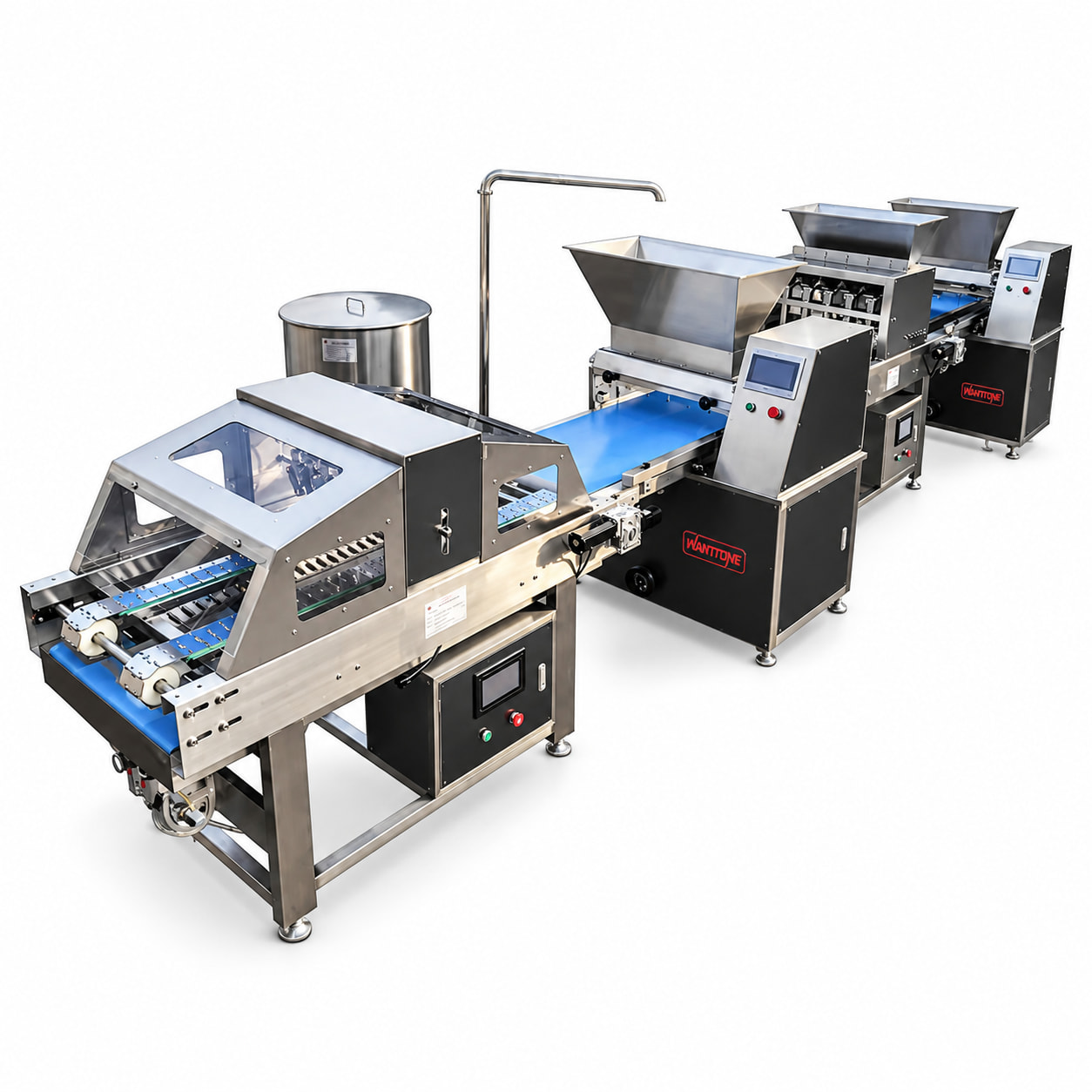
Reference illustration of Baked Stackable Potato Chip Production Line equipment

Product Overview

Wanttone’s baked potato chips production line automates every stage from powder feeding, mixing, and multi-stage sheeting to rotary cutting, scrap recycling, tunnel baking, cooling, seasoning, and packaging, delivering 500–1,250 kg/h of consistent stackable chips ready for packing.

Compared with fried chips, baked stackable chips contain significantly less oil, retain more natural nutrients, and offer a longer shelf life. Baking also means no frying-oil management, lower fire risk, and a cleaner workshop.

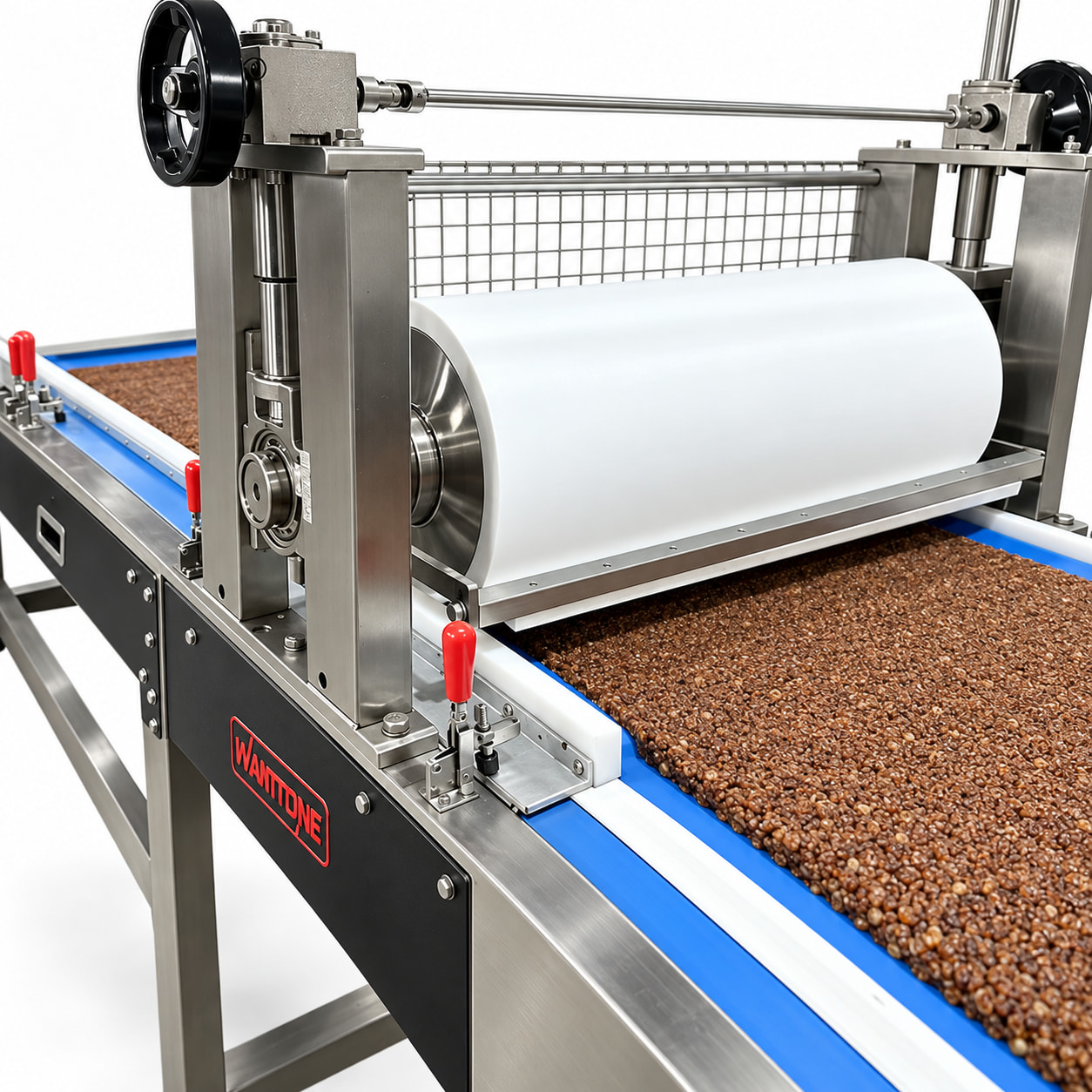
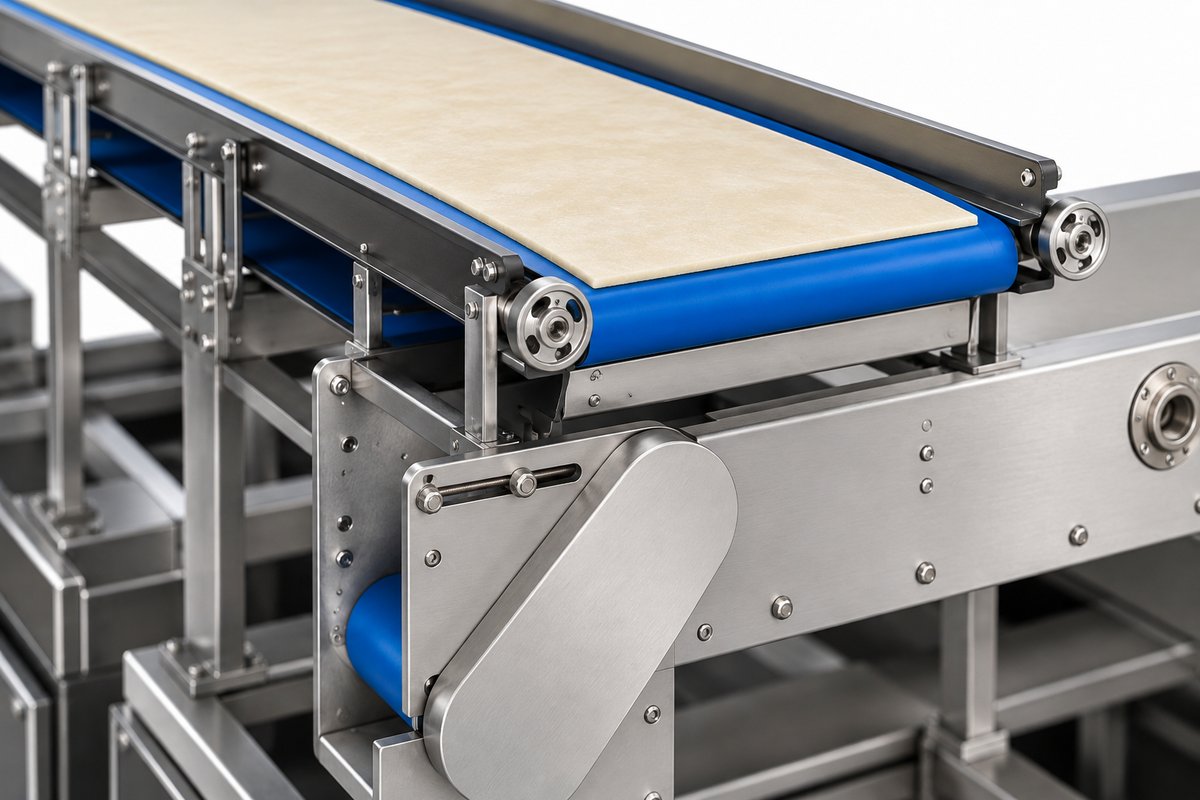
Prepared potato dough conveyed on the baked chip production line's food-grade belt

Capabilities & Applications

Key Features

  • True One-Line Automation

    Feeding, mixing, sheeting, molding, scrap recycling, baking, cooling, and packaging run continuously under central PLC control with a touch screen, remote monitoring, and data collection.

  • Precision Sheeting & Forming

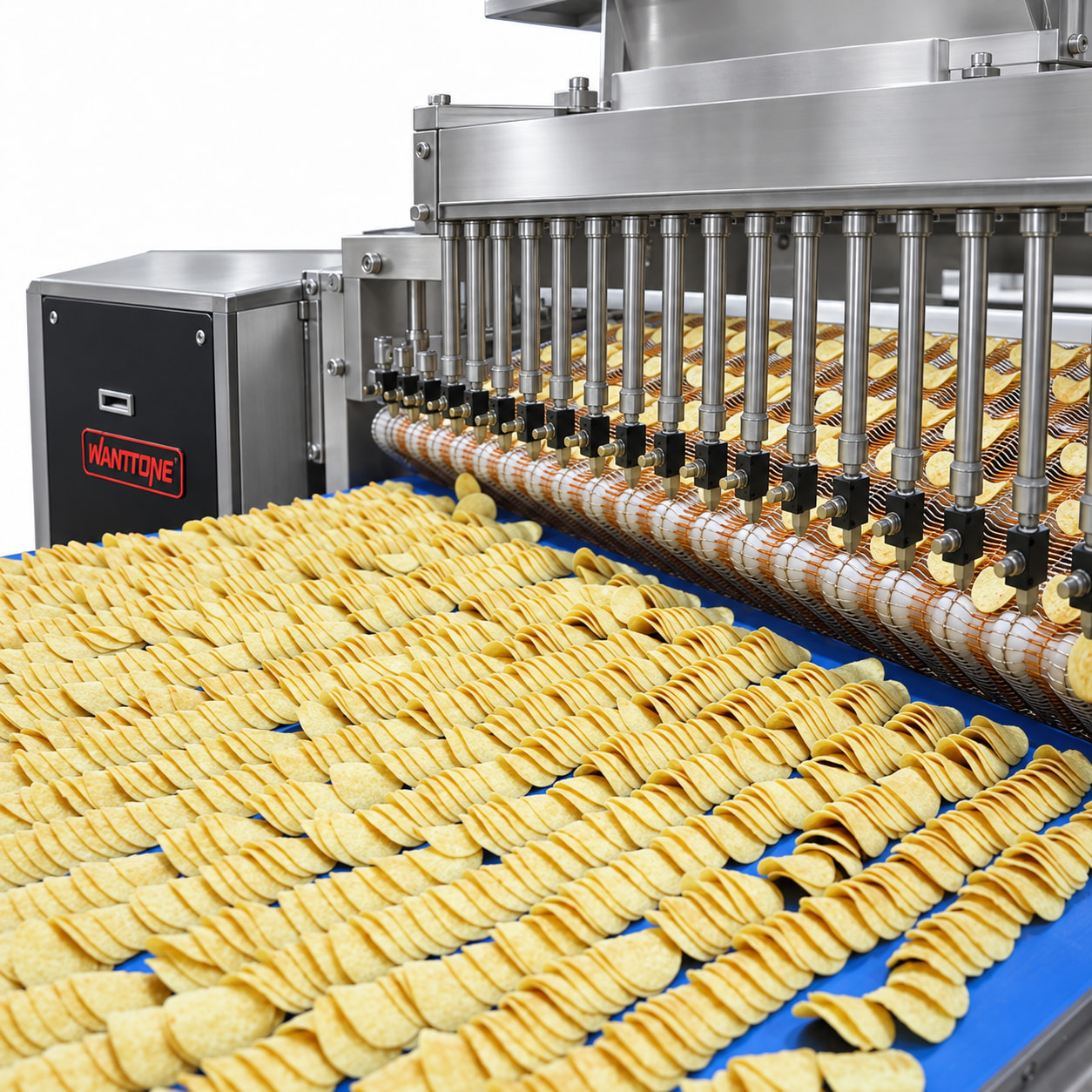
    Two to four twin-roll sheeter sets press dough to an exact thickness; a corrugated roller forms the signature curved surface, and the rotary cutter stamps uniform chips with low weight deviation.

  • High Raw Material Utilization

    Trim scraps are separated, crushed, and pneumatically returned to mixing at a controlled ratio, cutting unit cost.

  • Low-Oil Healthy Positioning

    Baking instead of frying sharply reduces oil content while preserving nutrients — a strong better-for-you marketing angle.

  • Multi-Product Capability

    Changing molds or adding auxiliary units lets the same line produce hard biscuits, soft biscuits, soda crackers, sandwich biscuits, and cookies.

  • Flexible Capacity & Heating

    Four standard widths (620–1,200 mm) with 3–4 temperature zones; electric, gas, or hybrid heating matched to your energy costs.

Applications

  • Designed for baked potato chips and crisps in stackable canister formats and flavored baked snacks for retail and export. Typical customers include snack manufacturers diversifying from fried products, biscuit factories adding a savory line, contract manufacturers serving global chip brands, and new entrants in the fast-growing healthy snack segment.

From Preparation to Packing

  1. Product Preparation

    Confirm the recipe, material condition and batch sequence required for stable production.

  2. Forming & Primary Processing

    Configure the product geometry and process conditions around the agreed finished product.

  3. Thermal or Main Process

    Coordinate time, temperature, energy and line speed with the target output and quality.

  4. Cooling & Finishing

    Stabilize and finish the product before downstream handling and packing.

  5. Packing Handover

    Deliver the product in the orientation, spacing and condition required by the agreed pack format.

Specifications & Configuration

Technical Parameters for Baked Stackable Potato Chip Production Line
ModelBelt WidthOven LengthTemperature ZonesCapacity
620620 mm50 m3500 – 630 kg/h
800800 mm60 m4750 – 1,000 kg/h
10001,000 mmCustom4880 – 1,130 kg/h
12001,200 mmCustom41,000 – 1,250 kg/h
Technical Parameters for Baked Stackable Potato Chip Production Line
Other ItemsSpecification
Raw materialsPotato flakes/flour, corn starch, tapioca starch
Heating sourceElectric / Gas / Hybrid
ControlPLC + touch screen, remote monitoring

Note: Oven length and layout are customized to your workshop.

The Wanttone Difference

Stackable chip lines are, at their core, precision sheeting and baking systems — exactly the technologies Wanttone has refined since our predecessor factory began building automated biscuit equipment in 1981. Our gauge rolls, rotary cutters, and tunnel ovens have run for decades in high-output biscuit plants, including our own food factory, so thickness control, scrap recycling, and zoned baking are proven competencies, not experiments. As an ISO 9001-certified manufacturer, we engineer each chip line around your raw materials and target texture, and our machinery research institute supports recipe development. With whole-plant design, installation, training, and lifetime after-sales service, you gain a partner whose equipment pedigree — and whose own production experience — directly de-risks your entry into the baked chip category.

Frequently Asked Questions

What raw materials does the line use?

Dehydrated potato flakes or potato flour blended with corn and tapioca starch — no fresh potato washing or peeling required.

How does baked chip production differ from fried chip production?

Chips are formed from sheeted dough and baked in a zoned tunnel oven — dramatically lower oil, no frying-oil management, and a supportable low-fat claim.

Can the line also produce biscuits?

Yes. Changing molds and adding auxiliary units let the line produce hard biscuits, soft biscuits, soda crackers, sandwich biscuits, and cookies.

What capacity options are available?

Standard models cover 500–1,250 kg/h across four widths (620–1,200 mm); custom capacities and layouts are available.

What support is included after purchase?

Layout design, installation and commissioning, operator training, chip recipe guidance, and lifetime maintenance support.